Clean vents help systems run smoothly and keep air quality high. Dust buildup forces heating and cooling units to work harder, wasting energy and shortening their life span. Keeping vents clean maintains peak performance and prevents costly repairs.
We often focus on filters or thermostats but forget that vents move the air that keeps spaces comfortable. Over time, dirt and debris block airflow and reduce system efficiency. By paying attention to vent maintenance, we can improve performance, energy use, and overall comfort.
Why Vent Cleanliness Is Crucial for Peak Performance
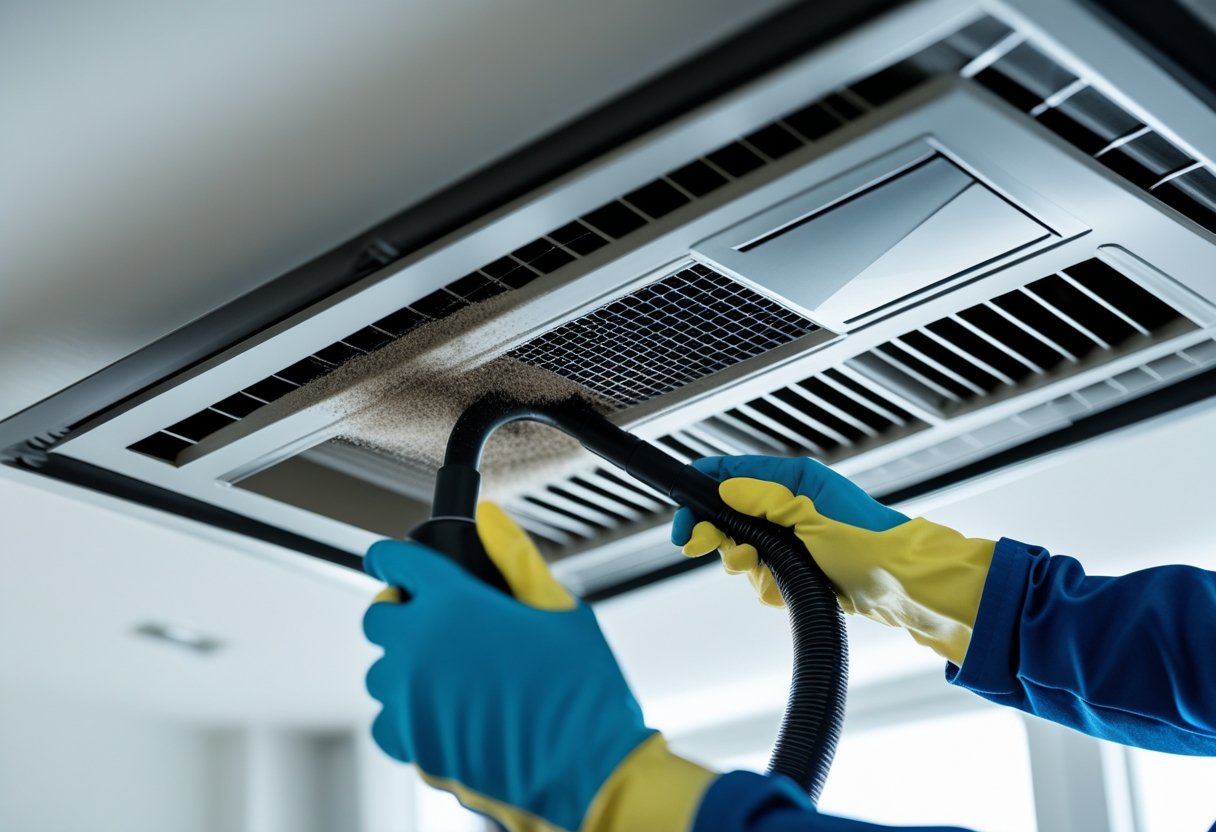
Clean vents support steady airflow, energy efficiency, and a healthier home environment. When dust, pollutants, or mold build up in air vents, they burden the HVAC system and lower indoor air quality, affecting both comfort and health.
Impact on HVAC System Efficiency
When vents stay clean, the HVAC system moves air freely through ducts. Dust and debris force the system to work harder, using more energy to maintain the same temperature. This strain shortens equipment life and increases the chance of costly repairs.
Dirty air vents reduce airflow and make rooms heat or cool unevenly. We may notice weaker air pressure or inconsistent temperatures. Regular vent cleaning helps maintain hvac efficiency and prevents wear on the heating and cooling system, saving on energy bills.
A simple maintenance schedule can help.
- Clean vents every 6-12 months.
- Replace filters regularly.
- Inspect ducts for blockages.
These actions reduce energy use, lower noise levels, and help the system run smoothly.
Importance for Indoor Air Quality
Clean air vents play a major role in maintaining good indoor air quality (IAQ). Dust, pet dander, pollen, and bacteria collect in vents and spread through the air every time the system runs. Pollutants trapped in ductwork can reenter rooms and settle on furniture and floors.
Removing buildup keeps air circulation fresh and reduces odors. Homes with clean vents experience fewer issues related to stale or stuffy air. This improves comfort, especially for people sensitive to indoor pollutants.
The table below shows common sources and their effects:
| Pollutant Type | Source | Possible Effect |
|---|---|---|
| Dust & Debris | Everyday activity | Reduced airflow, grime buildup |
| Mold Spores | Moisture in ducts | Musty odor, health risk |
| Pet Dander | Pets in home | Allergens, breathing discomfort |
| Pollen | Open windows | Triggers seasonal allergies |
Keeping vents clear ensures cleaner, fresher airflow throughout the home.
Health Implications of Dirty Vents
Dirty vents can contribute to or worsen respiratory issues. Dust mites, mold spores, and other airborne pollutants may irritate the lungs and trigger allergies or asthma. For young children, older adults, and people with breathing problems, poor vent maintenance can increase discomfort and illnesses.
We breathe the air that circulates through the HVAC system, so vent maintenance is a matter of home safety. Removing mold and keeping ducts dry prevents bacteria and mildew from spreading. Regular cleaning helps protect us from infection and supports easier breathing.
Simple awareness of how dust and debris affect health encourages better habits and makes our home environment safer for everyone inside.
Recognizing When Your Vents Require Cleaning
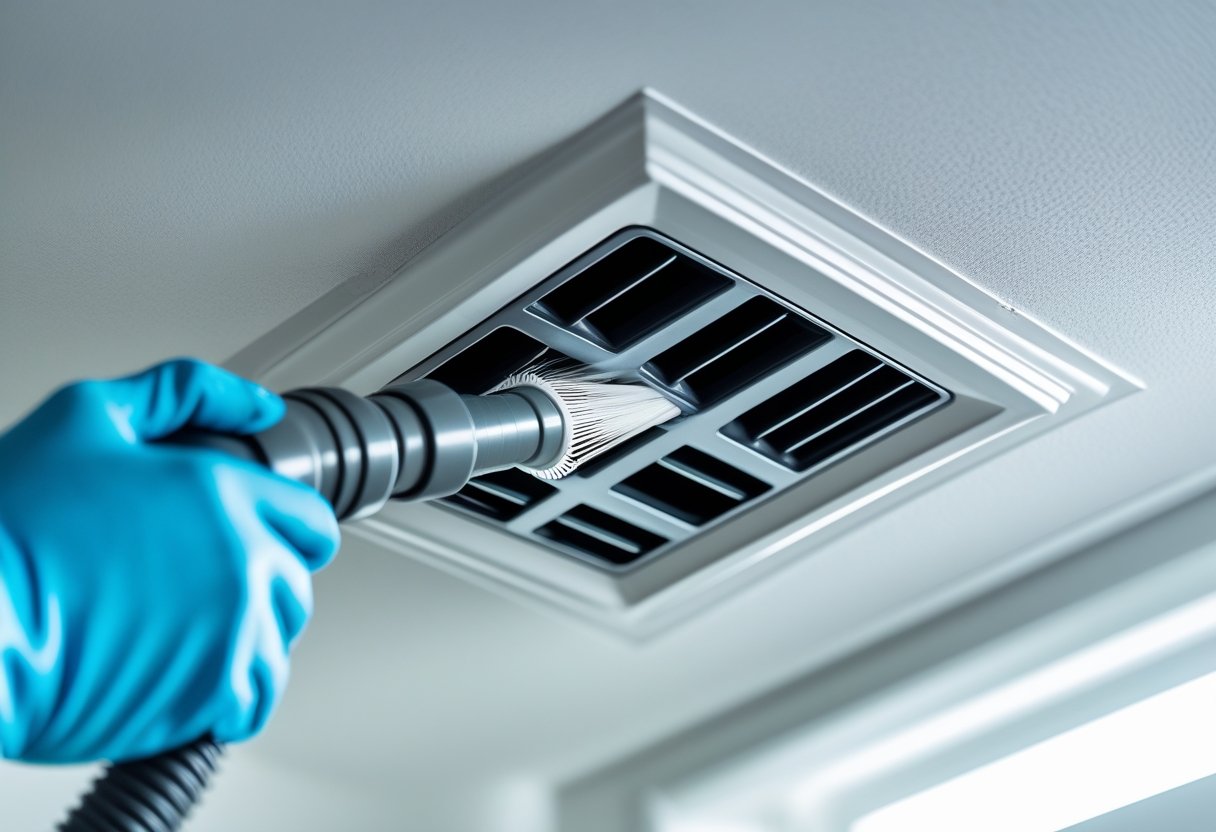
Keeping vents clean helps maintain efficient airflow, reduces indoor pollutants, and supports consistent temperature control. We can often detect the need for air vent cleaning by observing specific changes in air quality, energy use, and household comfort.
Common Signs of Dirty Vents
We can spot dirty vents by checking for visible dust accumulation on vent covers or around edges. When we see gray or dark buildup that returns soon after cleaning, it may mean the system carries more dust and allergens than normal. The air filter can also reveal an issue; a clogged or dark filter limits airflow and spreads pollutants through our home.
Some families notice allergy symptoms such as coughing, sneezing, or itchy eyes when vents stay unclean for too long. In some cases, we might find small debris or even signs of mold growth inside the duct openings. If we remove the vent cover and detect a musty odor or damp residue, professional cleaning might be needed.
A few simple checks include:
- Holding a tissue near a vent to see if air pressure feels weak.
- Observing how often dust collects on furniture after cleaning.
- Tracking how quickly filters become dirty after replacement.
These signs help us know when routine vent cleaning should be scheduled.
Effects on Home Comfort and System Performance
Dirty vents affect more than appearance. Reduced airflow forces our HVAC system to work harder, which can increase energy or utility bills. Rooms may heat or cool unevenly because air cannot travel freely through dust-filled ducts. Over time, this reduces system performance and can shorten component lifespan.
We may also notice that indoor air feels heavier or stale. Pollutants and fine particles recirculating through the system can lower indoor air quality, leading to discomfort for those with allergies or asthma. If vents stay clogged, air distribution becomes inconsistent, making some rooms too warm while others stay cold.
Keeping filters and vent covers clean supports steady temperature control and limits excess wear on our system. When we clean or replace filters regularly and schedule vent maintenance as needed, we help ensure our home stays comfortable and energy-efficient year-round.
Best Practices and Techniques for Effective Vent Cleaning
Clean vents improve airflow, reduce dust, and help HVAC systems run efficiently. Keeping both supply and return vents free of buildup lowers strain on components like filters and fans, supporting longer equipment life and better indoor air quality.
DIY Vent Cleaning: Tools and Steps
We can maintain vents at home with basic tools. A vacuum cleaner with a hose attachment removes loose dust and debris. A screwdriver helps remove vent covers, while a microfiber cloth wipes away grime without scratching surfaces. Filters should be replaced or cleaned according to manufacturer instructions.
Start by turning off the HVAC system for safety. Next, remove vent covers, wash them with warm soapy water, and let them dry. Use the vacuum to clean the visible duct openings carefully. A small brush can loosen dirt in corners before vacuuming again.
To finish, check the filter slot near the air handler. Replace dirty filters to maintain strong airflow. This routine helps prevent buildup deep inside the ducts and helps us spot issues early, reducing the need for frequent heating repair or furnace repair.
Professional Vent Cleaning Services
We should hire professional vent cleaning services when ducts show signs of heavy dust, mold, or reduced air movement. Vent cleaning service providers use high-powered vacuums, rotary brushes, and air whips to reach deep into ductwork. They can also inspect for leaks, pest nests, or water damage that DIY methods can miss.
Qualified HVAC contractors often combine air duct cleaning with broader HVAC maintenance. This service may include checking blower motors, cleaning coils, and replacing filters. Professionals follow industry standards that ensure safe work and proper equipment use.
Costs depend on system size and access but usually include a full inspection report. Properly completed duct cleaning helps maintain energy efficiency and indoor air freshness, especially in homes with pets, recent renovations, or allergy concerns.
Integrating Vent Cleaning into Home Maintenance
We can make vent cleaning part of regular home care to avoid performance drops. A simple schedule; light cleaning every 3-4 months and professional service every 2-3 years; works well for most households.
Keeping a maintenance log helps track filter changes, HVAC maintenance, and previous cleaning services. We can align these tasks with other seasonal checks like heating or furnace repair inspections.
Consistent care prevents dust buildup and keeps airflow stable year-round. Combining small DIY steps with periodic expert work extends system life and preserves indoor comfort without unnecessary costs.
Long-Term Benefits of Maintaining Clean Vents
Keeping our vents clean improves how efficiently our systems work and supports a healthier living environment. Clean vent systems also help lower maintenance costs and extend the life of our equipment.
Enhancing System Longevity and Energy Savings
Regular vent cleaning helps our heating and cooling systems maintain consistent airflow. When dust and debris build up, the system works harder to move air, increasing wear on components like fans and motors. Over time, this stress can shorten the system’s lifespan. Clean vents allow air to move freely, reducing strain and keeping the system in better condition for years.
Energy efficiency improves when vents stay clean. Less resistance means the system uses less energy to reach the desired temperature, lowering utility bills and reducing overall energy costs. In addition, consistent airflow ensures even heating and cooling throughout the home.
We can view this benefit clearly:
| Maintenance Action | Primary Benefit |
|---|---|
| Regular vent cleaning | Better airflow and lower stress on equipment |
| Unobstructed air ducts | Improved energy efficiency |
| Clean filters | Reduced energy use and extended system life |
Reducing Health Risks and Allergens
Clean vents lead to better air quality inside our homes. Dust, pollen, and pet dander can collect in vents and recirculate through the air when the system runs. Removing these particles supports clean air and reduces allergy symptoms for people sensitive to airborne irritants.
Moisture buildup inside vents can lead to mold growth, which can trigger respiratory issues. Regular vent cleaning and mold prevention reduce these risks.
Keeping vents clean also limits the spread of fine particles that contribute to unhealthy indoor environments. As part of home maintenance, it is a smart step for protecting our families and maintaining safe, breathable air throughout the year.