Central heating depends on one small device to work right. We often focus on the furnace or boiler, but control matters just as much. When we understand that control, the whole system makes more sense.
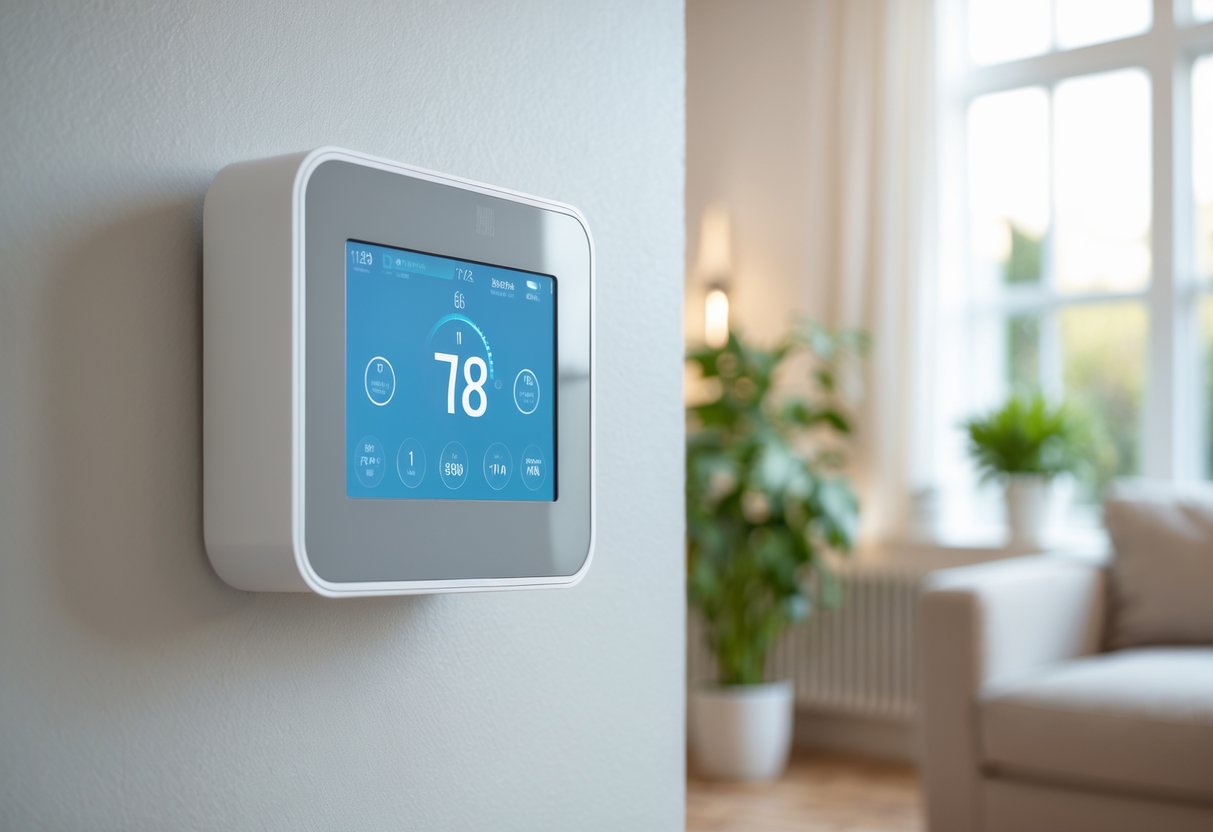
Thermostats control when your central heating turns on and off by measuring indoor temperature and sending clear signals to the heating system. We use them to set comfort levels, manage heat cycles, and avoid wasted energy. That single role shapes how warm our spaces feel and how hard the system works.
As systems change, thermostats change with them. We now choose from basic models to smart options, place them with care, and keep them working well. Those choices affect comfort, energy use, costs, and long-term system performance.
How Thermostats Control Central Heating
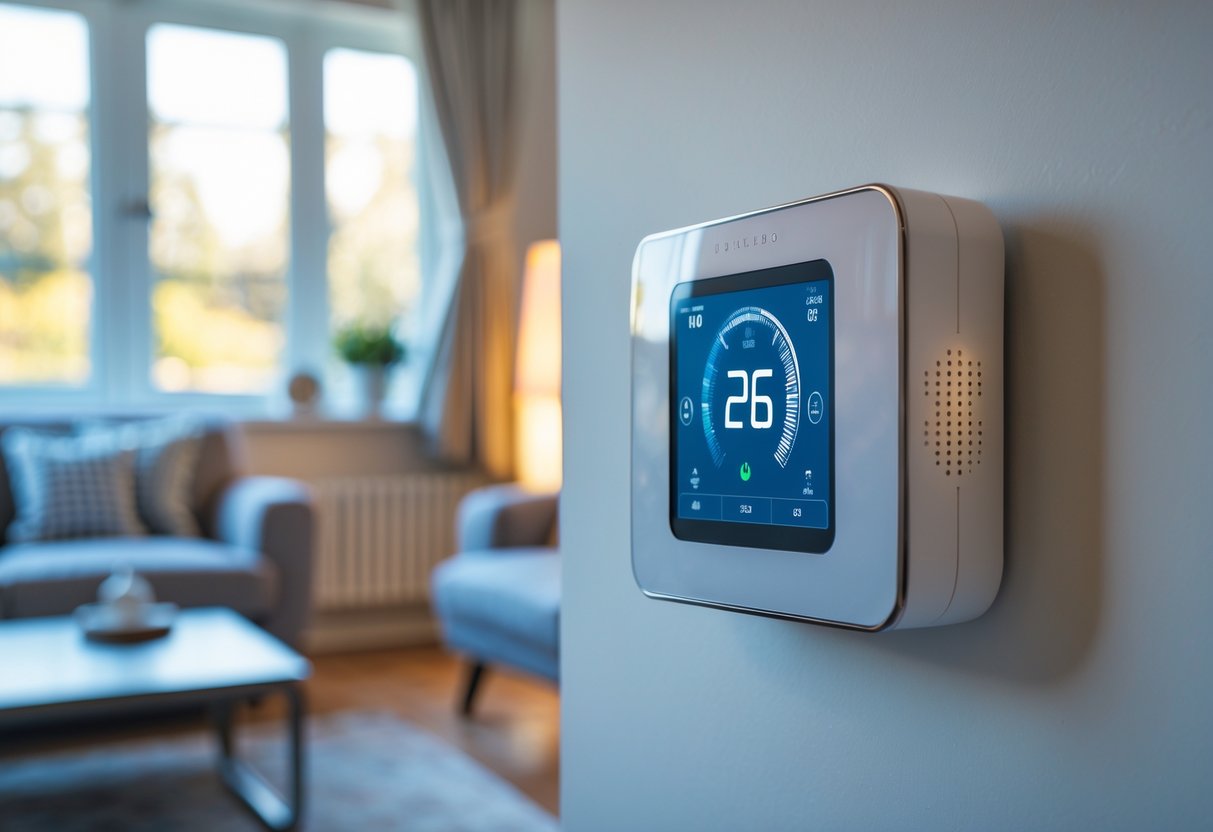
Thermostats manage temperature control by sensing room heat, comparing it to a target, and signaling the HVAC system to act. They rely on clear inputs, simple logic, and direct wiring to control central heating with accuracy.
Temperature Sensing and Regulation
A temperature sensor inside the thermostat measures the air near the wall. Some models also read data from remote sensors to avoid hot or cold spots. The sensor sends readings to the control board every few seconds.
We use these readings to regulate heat in small steps. When the room cools, the thermostat reacts. When the room warms, it pauses heating. This steady process prevents large swings.
Common sensing methods include:
- Thermistors that change resistance with heat
- Digital sensors that send precise data
- Averaging across sensors for better balance
Accurate sensing keeps the HVAC system efficient and protects comfort.
Setpoint and Heating System Activation
The setpoint is the temperature we choose on the thermostat. It acts as the target for the central heating system. When the room temperature falls below the setpoint, the thermostat sends a call for heat.
The thermostat closes a circuit to start heating. In many homes, it sends power through the R wire to the control board. This action tells the furnace or boiler to turn on.
A simple flow shows how this works:
| Step | Action |
|---|---|
| 1 | Room temperature drops |
| 2 | Sensor detects the change |
| 3 | Thermostat compares to setpoint |
| 4 | Heating system activates |
When the room reaches the setpoint, the thermostat opens the circuit and stops heat.
Thermostat Components and Operation
Thermostats include several key parts that explain how thermostats work. Each part has a clear role in controlling central heating.
Key components include:
- Temperature sensor to read room heat
- Control board to process signals
- Display and buttons to set the target
- Wiring terminals, including the R wire, to power control
We rely on the control board to make fast decisions. It checks sensor data, compares it to the setpoint, and sends commands to the HVAC system.
Together, these parts allow stable heating without constant user input.
Types of Thermostats for Central Heating
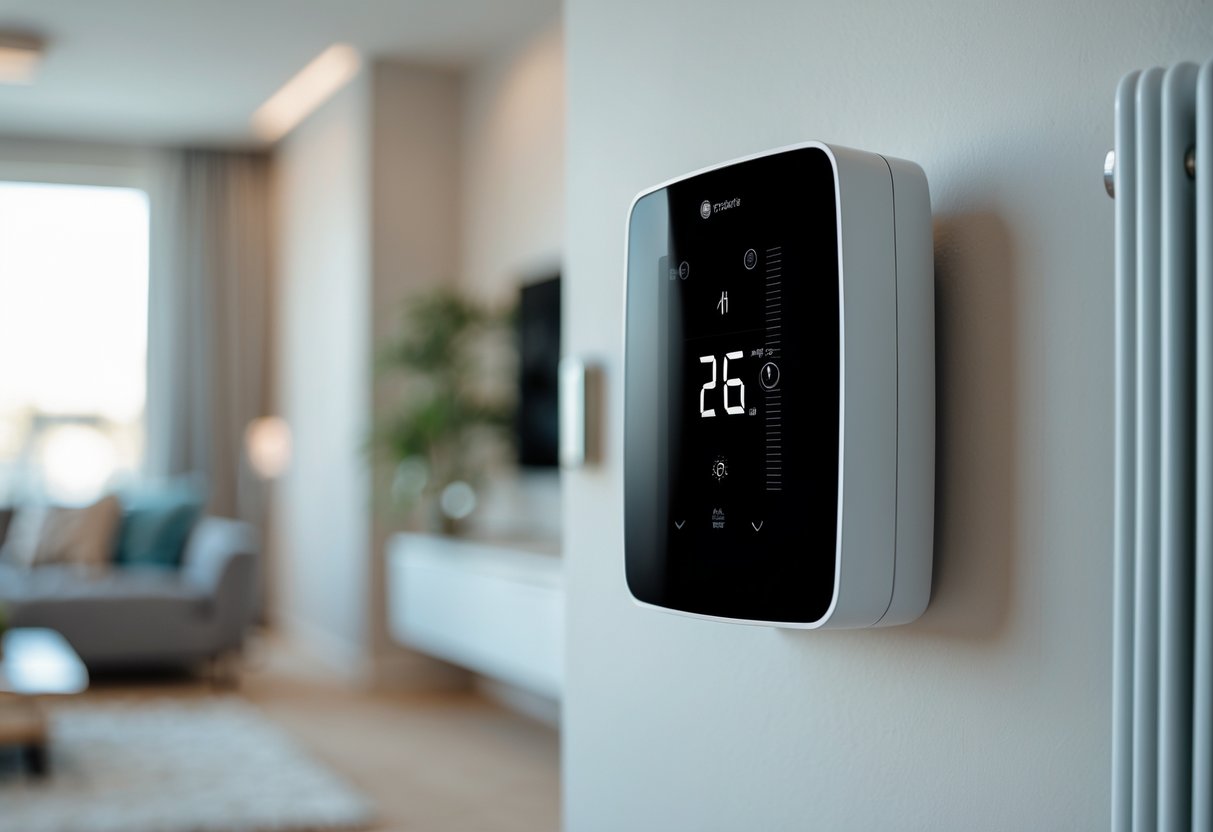
Central heating thermostats control when heat turns on and off. Different types of thermostats offer different levels of control, accuracy, and ease of use, which can affect comfort and energy use.
Manual Thermostats
Manual thermostats are the simplest option for central heating systems. We adjust the temperature by turning a dial or sliding a lever. Many manual thermostats use a mechanical thermostat or analog thermostat design, which relies on physical parts instead of electronics.
These room thermostats work well in homes with steady routines. They cost less and rarely fail, but they need hands-on changes. If the weather shifts or schedules change, we must reset them. Manual thermostats do not store settings, so they cannot lower heat at night or raise it before we wake up. They suit users who prefer basic control and low upfront cost.
Programmable Thermostats
Programmable thermostats let us set a heating schedule for different times of day. We can program lower temperatures during sleep or work hours and higher ones when we are home. This feature helps reduce wasted energy without daily adjustments.
Most programmable thermostats use digital screens and buttons. They store multiple settings for weekdays and weekends. Setup takes time, and mistakes can lead to uneven comfort. Still, once set, they run on their own. For many homes, programmable thermostats balance control and cost well. They work with most central heating thermostats and fit common systems without extra wiring.
Common schedule options:
- Morning
- Daytime
- Evening
- Night
Digital Thermostats
Digital thermostats display the current and set temperature on a screen. We gain better accuracy than with analog models. These modern thermostats respond faster to temperature changes, which helps keep rooms stable.
Some digital thermostats are manual, while others include basic programming. Buttons or touch panels replace dials, making settings easier to read and adjust. Many include alerts for low batteries or system errors. Digital thermostats suit users who want clear feedback without advanced features. They often serve as a direct upgrade from older manual thermostats in central heating systems.
Smart Thermostats
Smart thermostats connect to Wi‑Fi and allow control through apps. We can change settings from a phone, even when away. Many smart thermostats learn patterns and adjust heating based on use.
These smart thermostats often include sensors, reports, and voice control support. They can reduce energy use by adjusting heat when no one is home. Setup requires a compatible system and stable internet. Costs are higher, but features are broader. For users who want remote access and detailed control, smart thermostats offer the most flexibility among types of thermostats.
Key features often include:
| Feature | Purpose |
|---|---|
| Remote control | Adjust heat from anywhere |
| Usage reports | Track heating patterns |
| Learning mode | Adapt to routines |
Thermostat Technology Advancements
Thermostat technology has moved from simple on-off control to precise, connected systems. Modern designs improve comfort, cut energy waste, and support smart home systems through reliable sensors and software.
From Mechanical to Smart Controls
Early thermostats used a bimetallic strip that bent as room temperature changed. This motion opened or closed an electrical contact. The design worked, but it reacted slowly and allowed wide temperature swings.
Digital models replaced moving parts with a thermistor. This sensor reads small temperature changes and sends accurate data to the heating system. Faster response supports advanced temperature control and steadier indoor comfort.
Smart thermostats build on digital control. They use software to learn schedules, manage setbacks, and adjust heating based on use patterns. Many models add touchscreens and remote access.
Key differences
| Feature | Mechanical | Smart |
|---|---|---|
| Sensor | Bimetallic strip | Thermistor |
| Accuracy | Low | High |
| Scheduling | Manual | Automatic |
| Remote access | No | Yes |
Integration with Smart Home Systems
Smart thermostats connect to home automation platforms through Wi‑Fi. This link lets us control heating from a phone or tablet. Changes apply right away, even when we are away.
Most models support smart home integration with Apple HomeKit, Google Home, and other smart home systems. Voice commands can raise or lower the set point. Automation rules can link heating to motion sensors or time of day.
Integration also shares data across the smart home. A smart home system can pause heating when windows open or resume it when doors close. These actions improve comfort without manual steps.
We gain a central view of energy use and system status. Alerts flag faults early, which helps protect the central heating system and plan service.
Energy Efficiency and Cost Savings
Thermostats play a direct role in energy efficiency and heating bills. With the right settings and data, we can manage energy use, cut waste, and control costs without losing comfort.
Optimizing Thermostat Settings
We improve energy savings when we set clear heating and cooling schedules. A steady heating schedule avoids sharp temperature changes that waste energy. Lowering the heat by a few degrees at night or when we leave the house makes a real difference.
Smart thermostats help us automate these choices. They follow daily routines and adjust settings on their own. This keeps comfort steady and avoids manual errors.
Recommended temperature settings
| Time of Day | Suggested Setting |
|---|---|
| Daytime | 68-70°F |
| Night | 60-62°F |
| Away | 58-60°F |
We should also avoid frequent manual changes. Small, planned adjustments support energy management better than constant tweaks.
Reducing Energy Consumption
Thermostats help reduce energy consumption by limiting run time. When the system runs only when needed, it uses less fuel or electricity. This lowers heating bills over time.
Zoned systems add more control. They let us heat occupied rooms while keeping unused areas cooler. This targeted heating boosts energy efficiency without extra effort.
We also reduce waste by pairing thermostats with proper insulation. A well-sealed home holds heat longer, so the system cycles less often. Regular maintenance supports this effort by keeping sensors accurate.
Simple actions that save energy
- Set consistent heating schedules
- Use setback temperatures
- Avoid overheating rooms
- Maintain the heating system
Each step supports steady energy savings.
Energy Reports and Usage Insights
Many modern thermostats provide energy reports. These reports show daily and monthly usage patterns. We can see when energy use spikes and adjust settings to respond.
Usage insights help us track progress. If heating bills rise, we can link the change to weather, schedules, or habits. This turns data into clear action.
Some reports compare our usage to similar homes. This helps us set realistic goals for energy management. We stay informed without guessing.
Key details often included in energy reports:
- Total energy use
- Peak heating times
- Schedule efficiency
- Estimated cost impact
These insights support smarter decisions and steady cost control.
Enhancing Comfort and System Performance
We rely on thermostats to guide climate control, protect indoor comfort, and improve how heating systems respond to daily needs. Accurate temperature sensing and smart control choices help homes stay steady, efficient, and easy to manage.
Maintaining Indoor Comfort
We use thermostats to keep home comfort steady throughout the day. Accurate temperature regulation prevents rooms from feeling too hot or too cold. When a thermostat senses small temperature changes, it adjusts the heating system in short cycles. This approach supports stable indoor comfort.
Key factors that affect comfort include:
- Placement of the thermostat away from drafts and heat sources
- Consistent setpoints that match daily routines
- Responsive temperature sensing that avoids wide swings
We often program different temperatures for daytime and night. This simple step helps heating systems match real use. Central heating and cooling systems work best when the thermostat sends clear, timely signals. The result is balanced heat and fewer comfort complaints.
Balancing Heating and Cooling
We depend on thermostats to manage heating and cooling as one system. In central heating and cooling setups, the thermostat decides when to heat, cool, or stay idle. This balance reduces overlap and wasted energy.
A well-set thermostat helps by:
- Preventing heating and cooling from running at the same time
- Matching system output to indoor temperature changes
- Supporting smooth transitions during mild weather
We see better climate control when settings reflect local weather and home size. Even small adjustments can improve comfort. Heating and cooling systems last longer when they run in steady, planned cycles. This balance also keeps rooms at a more even temperature.
Thermostatic Radiator Valves and Zoning
We use thermostatic radiator valves to control heat room by room. Each radiator valve adjusts water flow based on local temperature sensing. This setup supports zoning without changing the main boiler.
Benefits of thermostatic radiator valves include:
- Better control of indoor comfort in each room
- Less overheating in unused spaces
- Improved temperature regulation across the home
We often pair radiator valves with a central thermostat. The thermostat manages the heating system, while the valves fine-tune each area. This method improves home comfort and reduces strain on heating systems. Zoning also helps homes with different sun exposure or room sizes stay comfortable.
Installation, Placement, and Maintenance
Proper setup keeps a thermostat accurate and reliable. Good placement, regular calibration, and skilled installation prevent comfort problems and wasted energy.
Optimal Location for Thermostat Placement
We place thermostats on an interior wall, about 52-60 inches above the floor. This height matches average room air temperature.
We keep them away from windows, doors, vents, kitchens, and direct sunlight. Heat and drafts can cause false readings.
Common placement mistakes include:
- Near supply vents or radiators
- On exterior walls
- In hallways with poor airflow
We choose a room used often, like a living room. Bedrooms and kitchens rarely reflect whole-home temperature.
Calibration and Accuracy
We check thermostat accuracy at least once a year. Small errors can cause long run times and uneven heating.
We compare the thermostat reading with a basic room thermometer placed nearby for 15 minutes. If the numbers differ, many digital models allow a simple offset adjustment.
We also replace batteries every 6-12 months. Low batteries often cause drifting temperatures or system shutoffs.
Signs of poor calibration include:
- Short heating cycles
- Rooms feeling warmer or cooler than the setting
- Frequent system starts
Professional Installation and Troubleshooting
We rely on an HVAC technician for new installs or complex systems. Wiring mistakes or wrong settings can damage equipment.
A professional checks system compatibility, voltage, and control wiring. This step matters for heat pumps, zoning, and smart thermostats.
Typical professional tasks include:
| Task | Purpose |
|---|---|
| Wiring check | Prevents system failure |
| System testing | Confirms proper response |
| Error diagnosis | Finds sensor or control issues |
We call for service when the system ignores settings or shows error codes. Fast troubleshooting limits downtime and repair costs.