We all depend on our home appliances every day, yet we often forget how much wear they take over time. Dust, grease, and buildup can quietly lower performance and shorten their lifespan. Professional cleaning services help appliances last longer by removing hidden grime that regular cleaning often misses.
When we invest in expert care, we do more than just make surfaces shine; we protect important components that keep our appliances running efficiently. Trained cleaners use the right tools and methods to prevent damage, allowing our machines to work better and use less energy.
By understanding how professional cleaning supports appliance longevity, we can save money, reduce waste, and create a cleaner, more sustainable home. This approach helps us maintain both the value of our appliances and the comfort of our living spaces.
How Professional Cleaning Services Extend Appliance Longevity
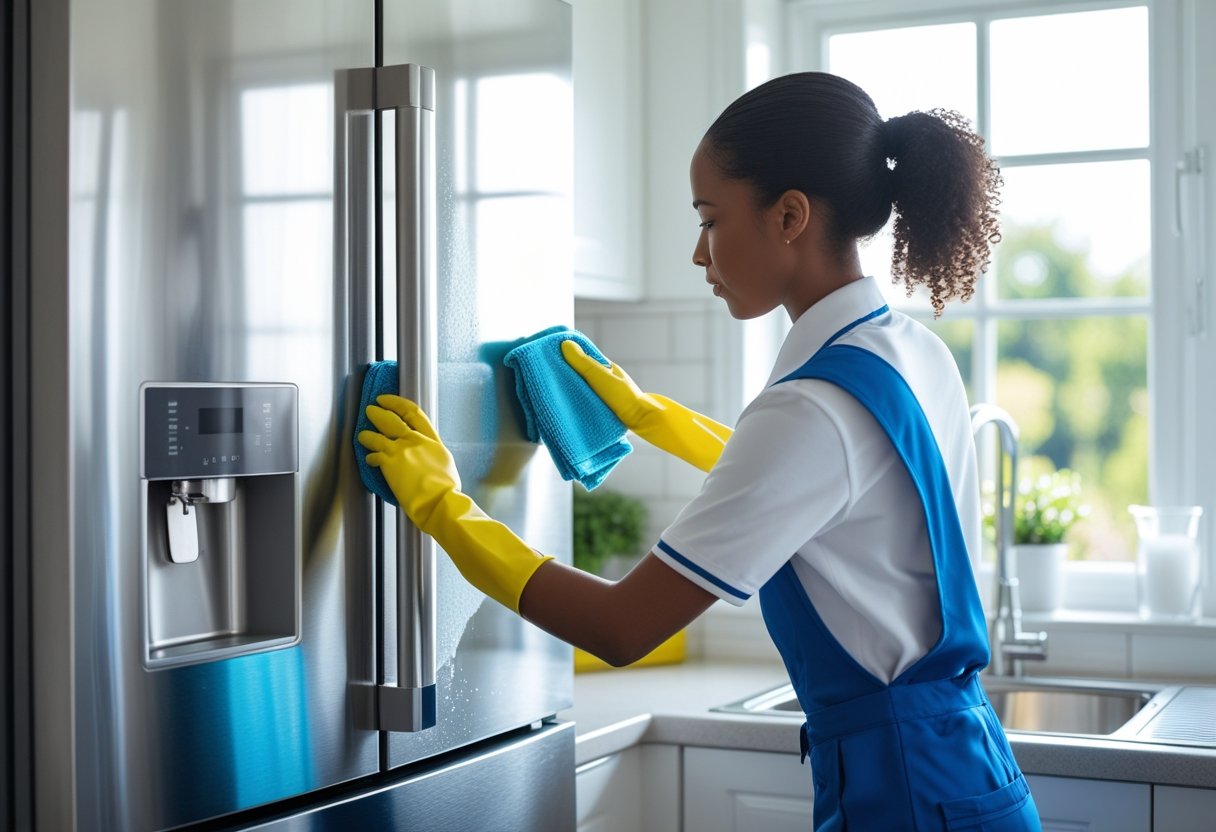
Professional cleaning services help protect appliances from wear, damage, and buildup that shorten their lifespan. By using skilled technicians, consistent maintenance, and targeted deep cleaning, we can keep appliances working longer and running more efficiently.
Importance of Professional Expertise
Trained cleaning specialists know how to handle different appliance materials and components safely. We use approved cleaning agents and tools that remove grime without damaging internal parts. This reduces the risk of corrosion, residue buildup, and electrical problems.
Professional expertise also ensures we follow manufacturer guidelines for appliance maintenance. Knowing when and how to clean condenser coils, filters, and seals prevents early breakdowns. We also identify signs of strain that may go unnoticed during household cleaning.
Benefits of using professional expertise include:
- Safer cleaning methods
- Correct use of specialized tools
- Reduced maintenance errors
- More consistent results
By relying on professional servicing, we extend appliance longevity through care that aligns with design standards and proven procedures.
Systematic Inspections and Preventative Maintenance
Routine inspections are a core part of professional servicing. We check components such as hoses, gaskets, fans, and vents for debris and wear. Detecting small issues early helps us avoid costly damage and extend appliance lifespan.
Preventative maintenance includes replacing worn filters, lubricating moving parts, and testing performance. These steps ensure each unit runs efficiently and uses less energy. A systemized schedule, often tracked by the cleaning service, keeps appliances in stable condition throughout the year.
| Maintenance Task | Frequency | Purpose |
|---|---|---|
| Filter cleaning or replacement | Monthly | Improves airflow and energy use |
| Coil brushing | Every 3-6 months | Prevents overheating |
| Seal inspection | Twice yearly | Maintains temperature control |
Consistent inspection and care reduce the need for major repairs. They also help us plan ahead for replacements rather than reacting to failures.
Differences Between Routine and Deep Cleaning
Routine maintenance focuses on surface-level care. We wipe, sanitize, and check visible parts to keep dirt, dust, and grease under control. This helps maintain hygiene and prevents gradual damage.
Deep cleaning goes further by disassembling select parts and addressing buildup in hidden areas like vents, motors, or water lines. It clears blockages that restrict performance and may cause motor strain.
We usually schedule deep cleaning annually or biannually, depending on usage and the appliance type. Combining regular upkeep with deep service gives us a balanced approach-routine cleaning keeps things steady, and deep cleaning restores function and efficiency.
Together, these cleaning levels support longer appliance life and reduce the impact of everyday wear.
Key Benefits of Professional Cleaning for Home Appliances
Professional cleaning helps us keep our home appliances running smoothly, consume less energy, and last longer. Regular maintenance reduces costly repairs, supports energy efficiency, and protects the appliance warranty and resale value.
Enhancing Appliance Efficiency and Performance
When appliances stay free of dust, grease, and mineral buildup, they perform as designed. A clean refrigerator coil transfers heat effectively, while a washer without residue cleans clothes thoroughly. Dirt can block airflow or reduce heat exchange, forcing appliances to work harder than necessary.
Professional cleaners use proper tools and cleaning agents to deep clean each component. For example, they may remove lint trapped behind a dryer drum or clean the interior of an oven to prevent uneven heating. This attention to detail keeps performance at peak levels.
Key benefits:
- Consistent temperature control
- Faster cleaning or cooling cycles
- Fewer operational delays due to blocked parts
Keeping parts in optimal condition helps extend appliance life and maintain efficiency for years.
Lowering Energy Consumption and Utility Costs
Appliances with clean components use energy more efficiently. A dust-free refrigerator coil or air conditioner filter allows better airflow, reducing the strain on motors and compressors. The result is lower energy consumption and fewer spikes in electricity bills.
We often overlook how dirt buildup increases resistance in mechanical and electrical areas. Professional cleaning eliminates these issues before they multiply. By preventing energy waste, it also supports more sustainable home operation.
Typical areas that benefit from cleaning include:
| Appliance | Component Cleaned | Energy Impact |
|---|---|---|
| Refrigerator | Coils | Better cooling and shorter run time |
| Dishwasher | Spray arms, filter | Better water flow and heating |
| Dryer | Vent and lint trap | Faster drying, less cycle repetition |
Clean, efficient systems reduce our household’s environmental footprint while improving cost management.
Reducing the Frequency of Repairs and Breakdowns
Regular cleaning helps identify small issues before they become costly repairs. Dust, moisture, or residue can cause electronic sensors to fail or parts to corrode. Addressing these areas early prevents major problems later.
Professional technicians often notice early warning signs during cleaning sessions. They might spot frayed wires, cracked hoses, or loose seals. These small observations can save us from emergency repair calls or appliance downtime.
A cleaner internal system also runs with less friction and stress on parts. Reduced strain means components such as fans, belts, and compressors last longer. This lowers the overall cost of appliance repair over the unit’s lifespan.
Maintaining Appliance Warranty and Resale Value
Many manufacturers require proper maintenance to keep a warranty valid. If we skip regular cleaning, our warranty claims may be rejected due to neglect. Professional cleaning services help us meet these care requirements.
By keeping appliances in good condition, we preserve their warranty coverage and improve long-term reliability. This approach also increases resale value for items like refrigerators, ovens, or washers when selling or moving.
A clean appliance looks better and functions more reliably. Buyers and inspectors often consider maintenance records when evaluating value. Keeping evidence of regular professional care shows that we have maintained our equipment responsibly, which strengthens trust and supports a higher resale price.
Essential Cleaning Practices for Common Appliances
We can prevent appliance wear by keeping critical parts clean and replacing small components when needed. Simple steps like removing grease, wiping moisture, and clearing buildup help machines run smoothly and reduce costly repairs.
Refrigerators: Coils, Filters, and Defrosting
We often overlook refrigerator coils, but they collect dust that restricts airflow. Cleaning them every six months keeps the compressor from working too hard. We can use a coil brush or a vacuum attachment to remove buildup.
Filter maintenance matters too. Many refrigerators include air or water filters that need replacement every few months. Regularly replacing filters improves performance and keeps ice and water clean.
When frost builds up in the freezer, we should defrost it. Too much ice causes the motor to run longer. Turning off the unit, emptying contents, and letting the ice melt naturally avoids damage from scraping or heating tools.
Routine cleaning also means wiping the gasket with mild soap to prevent seal leaks. Keeping coils and filters clean, and defrosting as needed, helps the refrigerator cool efficiently and last longer.
Ovens: Grease Removal and Safety Inspections
Ovens build up grease quickly, especially around the door seals and racks. After cooking, using warm water and baking soda helps dissolve residue before it hardens. For heavier grime, we can use a non-abrasive cleaner designed for ovens. Avoiding harsh scraping tools protects the interior coating.
We should also inspect heating elements and the door seal for cracks or damage. A faulty seal lets heat escape and reduces efficiency.
Safety checks matter just as much as cleaning. We must look for signs of smoke, odors, or uneven heating. If we notice these issues, scheduling a professional inspection helps prevent long-term damage.
Keeping the oven clean and functional ensures it heats evenly and reduces fire risk.
Washing Machines and Dishwashers: Filter Upkeep and Drum Care
Both washing machines and dishwashers depend on clean filters to drain water properly. We should rinse filters under running water and remove trapped debris weekly if used often.
For drum maintenance, running a cleaning cycle with vinegar or a designated cleaner once a month removes soap residue and odor. Leaving the door open after each use also allows moisture to dry, reducing mold or mildew growth.
Dishwashers need attention around spray arms and seals. Wiping these parts stops buildup that can block water flow.
Simple, routine cleaning helps these appliances use less energy and prevents wear on motors and parts. By keeping filters clear and drums fresh, we extend their lifespan with minimal effort.
Long-Term Home and Environmental Benefits
We create cleaner spaces that last longer and reduce waste. By maintaining our appliances and cleaning systems properly, we protect both our living environment and the wider ecosystem.
Supporting Environmental Sustainability Efforts
Regular professional cleaning reduces the need for frequent replacements of appliances and parts. When our machines operate efficiently, they use less energy and water, cutting down on utility costs and resource consumption. This also minimizes electronic waste, which supports long-term environmental sustainability.
Professional cleaners often use eco-friendly products with biodegradable ingredients. These materials break down naturally and limit chemical runoff into water systems. Choosing such methods also lowers air pollution inside our homes and in the surrounding community.
We can see the environmental value more clearly when comparing two approaches:
| Cleaning Approach | Average Energy Use | Environmental Impact |
|---|---|---|
| Routine Professional Cleaning | Lower | Less waste, fewer repairs |
| No Maintenance | Higher | More disposals, higher emissions |
By following structured cleaning schedules, we help our appliances reach their expected lifespan while lowering our overall carbon footprint.
Improving Indoor Air Quality and Home Health
Clean appliances play a direct role in improving indoor air quality. Dust, mold, and pet dander often accumulate inside ventilation systems, refrigerator coils, and washing machines. When these areas stay dirty, they release allergens and odors into the air.
We benefit from professional cleaning because it removes these contaminants at the source. Experts use tools designed to reach deep vents and filters that we might overlook. This reduces airborne particles and supports better breathing conditions at home.
Better air quality also helps protect household members with asthma or allergies. With cleaner air, we experience fewer irritants and less stress on our immune systems. Maintaining cleaner indoor spaces creates a steady, healthy balance between comfort and cleanliness.