Most of us clean the lint trap in our dryer without thinking much about it. But what happens when lint builds up in places we don’t notice, like vents, filters, or hidden corners of our homes? Lint accumulation lowers indoor air quality by trapping dust, allergens, and tiny fibers that circulate through the air we breathe.
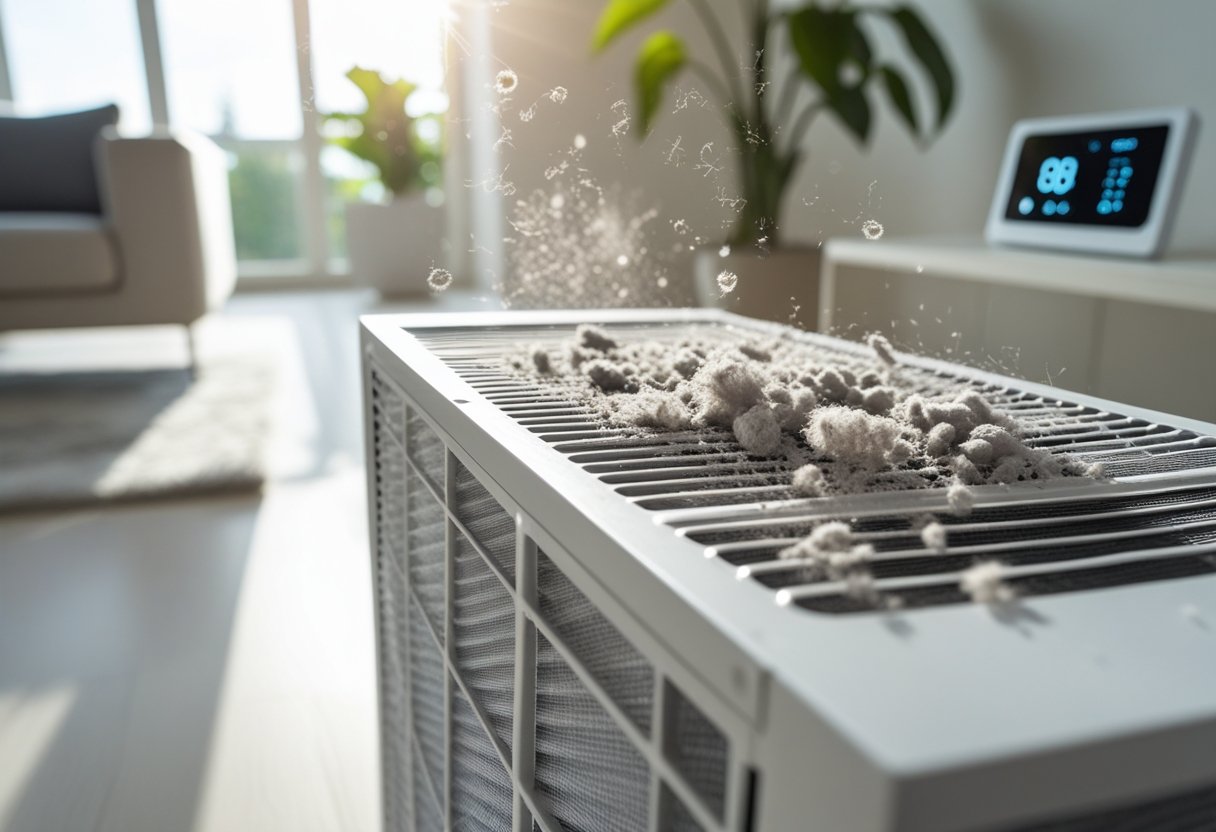
When we understand how lint buildup affects indoor air, we can take simple steps to keep our living spaces cleaner and safer. Poor air quality can make our homes feel stuffy and may even trigger sneezing or coughing. By paying attention to where lint collects, we can reduce these issues before they grow into bigger problems.
In this article, we’ll explore how lint affects air quality, the risks it creates, and easy ways to control it. Small changes in our cleaning habits can make a noticeable difference in how fresh and healthy our indoor spaces feel.
How Lint Accumulation Impacts Indoor Air Quality
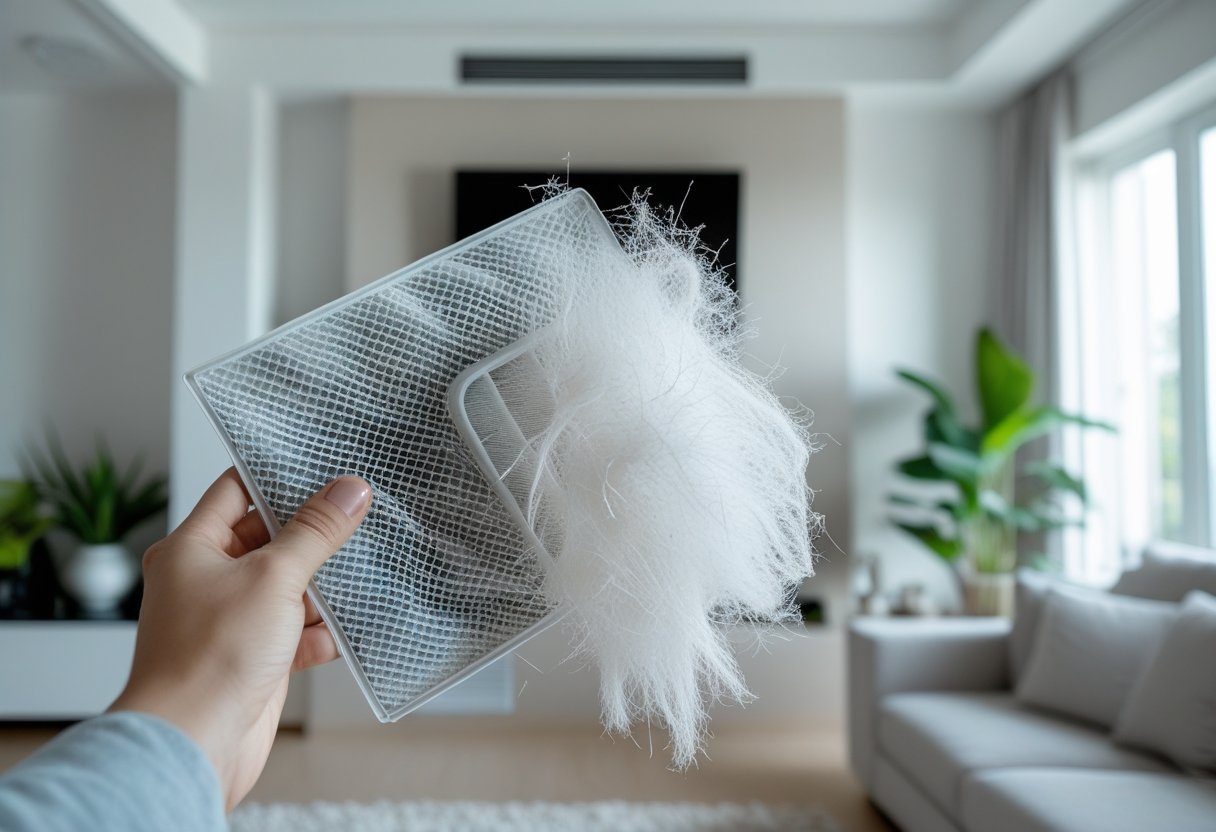
Lint buildup affects the air we breathe by releasing fine particles and allergens into our living space. It can reduce filtration efficiency, increase dust levels, and make existing air quality problems worse, especially for people with allergies or asthma.
Sources and Composition of Lint
Lint forms from many small materials that break loose during daily activities. Common contributors include clothing fibers, carpet fibers, skin cells, hair, and pet dander. When we wash, dry, or wear clothes, small fibers shed and combine with house dust.
Dryer lint is one of the largest sources. It contains a mix of cotton and synthetic fibers, often including traces of detergent or dirt. Pet hair and mold spores can also become part of it, depending on what moves through indoor air.
In homes with pets or heavy laundry use, lint builds up faster. HVAC vents, ducts, and air filters collect much of this material, but some remains suspended in the air. Over time, these particles settle on surfaces and continue to circulate through normal airflow.
Airborne Lint Particles and Indoor Air Pollution
When lint becomes airborne, it behaves like other irritants such as pollen and dust mites. The finer particles stay suspended longer and travel throughout the home. These particles add to indoor air pollution by increasing the load of particulate matter that we breathe.
Lint particles can carry bacteria or mold spores, depending on moisture levels in the air. When humidity is high, lint traps moisture and becomes a site for microbial growth. This can create odors and raise the risk of respiratory irritation.
Regular cleaning helps lower airborne lint levels. Vacuuming with HEPA filters, wiping hard surfaces, and checking dryer vents for blockage reduce buildup. By limiting lint circulation, we help maintain steadier and cleaner indoor air.
Allergens and Health Risks from Lint
Lint serves as both a carrier and a container for allergens. It holds pet dander, dust mites, and pollen, which can trigger asthma and allergies in sensitive individuals. Even small fibers can irritate the nose, throat, and lungs when breathed in regularly.
Children and older adults may feel these effects more strongly. Symptoms often include sneezing, coughing, watery eyes, or shortness of breath. For people with respiratory issues, lint exposure can worsen existing conditions.
Keeping indoor surfaces clean reduces allergen buildup. We can also use air purifiers and ensure regular washing of bedding and curtains. Reducing lint lowers the number of airborne allergens that contribute to poor indoor air quality.
Impact on HVAC Systems and Air Filters
Lint buildup inside the HVAC system restricts airflow and lowers system efficiency. When lint collects around coils, ducts, or vents, it causes dust to circulate back into rooms. This can increase utility costs and make temperature control less consistent.
Clogged air filters lose their ability to trap fine lint particles effectively. The table below shows how accumulation impacts HVAC performance:
| Component | Effect of Lint Accumulation | Result |
|---|---|---|
| Air Filter | Reduced airflow | Poor filtration efficiency |
| Ductwork | Particle buildup | Increased dust recirculation |
| Coils | Insulation by lint | Higher energy use |
We should replace or clean filters on schedule and inspect ducts for blockage. Proper maintenance keeps the system running smoothly and prevents lint from re-entering the air we breathe.
Risks and Hazards Associated with Lint Buildup
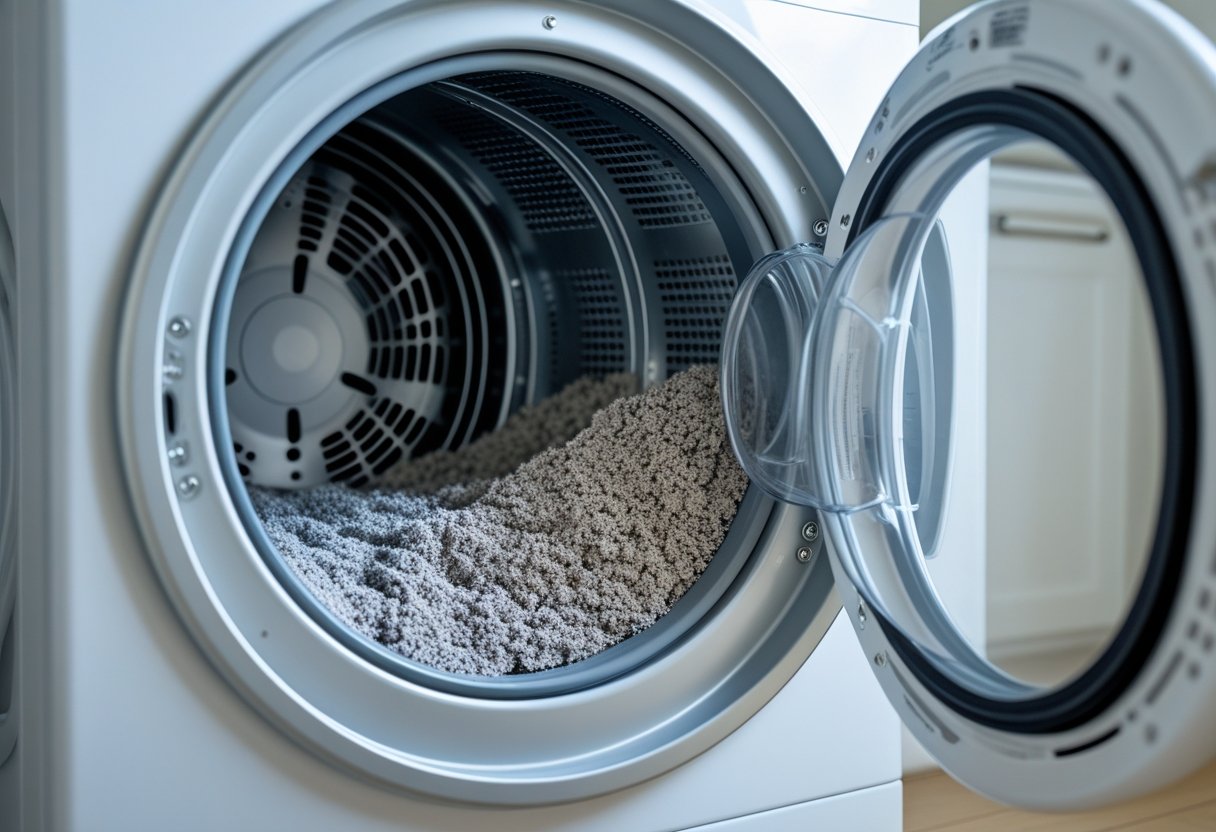
Lint buildup can create safety, performance, and health issues in our homes. It can spark fires, reduce the energy efficiency of dryers and ventilation systems, and support mold and bacterial growth that affect indoor air quality.
Fire Hazards from Lint Accumulation
Lint is highly flammable because it contains tiny fibers from clothing and household fabrics. When lint collects inside a dryer vent or near a heating element, it can ignite under high heat. This type of fire hazard is one of the most common causes of dryer-related house fires.
A blocked vent means hot air can’t escape, causing the dryer to overheat. In many cases, fires start in the dryer lint trap, vent pipe, or around the motor. Regular cleaning and fire prevention steps, such as removing lint after each use, reduce this risk.
We can also use a vent cleaning kit or hire a professional to clear deep blockages. These steps help keep air moving and prevent dangerously high temperatures. Even something as simple as avoiding excess dryer sheets can cut down on residue that clogs vents. Keeping vents short, smooth, and free from kinks helps maintain a safe airflow path.
Reduced Dryer and Ventilation Efficiency
When lint blocks the dryer vent or trap, air can’t circulate properly. This forces the dryer to work longer to remove moisture from clothes, lowering dryer efficiency and increasing energy use. We often notice longer drying times or very hot surfaces on the dryer when airflow is restricted.
Extra strain on the dryer’s motor can lead to more wear and early failure. In homes with multiple vents or shared ventilation systems, lint buildup can also limit fresh air exchange, making indoor spaces feel warmer and more humid.
Simple habits improve energy efficiency and reduce costs. Cleaning lint filters before every load, inspecting the vent hose regularly, and checking outside exhaust flaps all help keep airflow smooth. If performance drops, scheduling a vent inspection once or twice a year can prevent larger maintenance issues later.
Facilitation of Mold and Bacteria Growth
Lint traps moisture because it’s made of many small fibers that hold water and dust. When this damp lint collects in dark spaces such as vents or ducts, it can support mold and bacterial growth. These organisms release spores and odors that lower indoor air quality.
A partially blocked dryer vent keeps humid air inside longer, raising humidity levels in laundry areas. Over time, that moisture allows mold to spread beyond the dryer system and into nearby walls or floors.
We can reduce this risk by drying loads fully and checking for wet lint buildup behind the dryer. A dry, clean ventilation system keeps air moving and limits bacteria survival. Wiping down surfaces, emptying the dryer lint trap often, and letting the area air out after use all help maintain a healthier environment.
Prevention and Control of Lint Accumulation
We can keep indoor spaces cleaner and improve air quality by focusing on consistent cleaning, proper airflow, and small daily habits. Effective prevention saves time, reduces allergens, and helps our appliances run more efficiently.
Routine Cleaning and Lint Removal Strategies
Regular maintenance keeps lint from spreading into the air. We should clean the dryer lint trap after every load to prevent buildup. Once a month, we can remove the lint screen and wash it with mild soap and water to clear residue that blocks airflow.
For deeper cleaning, a vent cleaning kit helps reach inside the dryer vent. A clogged vent increases lint circulation indoors and raises fire risk. Dryer vent cleaning every 6 to 12 months maintains both safety and energy efficiency.
We should also dust and vacuum soft surfaces such as rugs, upholstery, and curtains using a vacuum with a HEPA filter. Using a microfiber cloth for dusting traps tiny fibers instead of spreading them back into the air. A short checklist can help maintain consistency:
| Task | Frequency |
|---|---|
| Clean dryer lint trap | After every load |
| Wash lint screen | Monthly |
| Use vent cleaning kit | Every 6-12 months |
| Vacuum surfaces with HEPA filter | Weekly |
Improving Ventilation and Filtration
Good airflow moves lint and dust out of living areas instead of letting them circulate inside. We should open windows when weather allows, especially after drying clothes. This simple action reduces indoor fiber buildup.
If opening windows isn’t possible, air purifiers with HEPA filters can remove airborne particles that settle as lint. We can place one near the laundry area or in high-traffic rooms. The filters should be replaced as recommended to keep performance strong.
Inspecting air ducts and vents helps too. Dust or lint can collect inside them over time. Scheduling professional duct or vent cleaning reduces hidden contamination. Even small actions, like keeping vents unblocked and vacuuming around grilles, help maintain steady airflow that supports cleaner indoor air.
Adopting Household Habits to Reduce Lint
We can reduce lint at the source through mindful daily habits. Washing clothes inside out and using shorter drying cycles create less friction on fabric, which lowers lint production.
Sorting loads by fabric type also helps prevent heavy lint-shedding materials, like towels, from transferring fibers to lighter fabrics. Cleaning closets and storage spaces regularly keeps stray lint from spreading through our home.
Maintaining a clutter-free laundry area allows easier access for cleaning equipment and improves airflow behind the dryer. Choosing tightly woven linens and higher-quality fabrics can further reduce lint because they shed less during washing and drying. Together, these habits make preventing lint buildup a manageable part of our routine.