A clean dryer vent does more than help clothes dry faster; it can also save money. When lint and debris block airflow, the dryer works harder and uses more energy. By improving dryer efficiency through proper vent cleaning, we can lower energy costs and reduce wear on the machine.
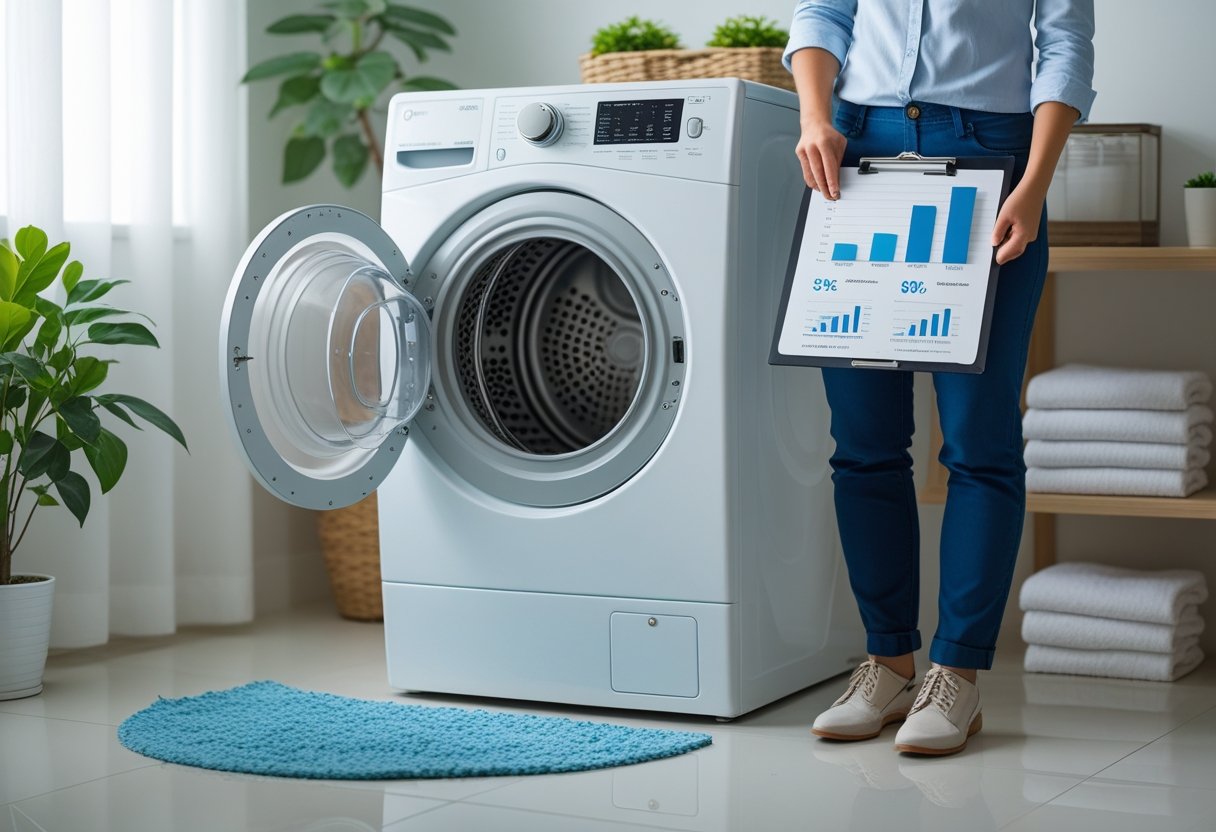
We often overlook how much energy a dryer uses each month. A small buildup in the vent can add hours of extra drying time over the course of a year. Cleaning the vent helps the dryer run smoothly, reduces utility bills, and extends its lifespan.
Beyond saving money, improved efficiency supports better home safety and even adds value to our property. Clean vents reduce fire risks and show proper home maintenance, which can make a difference when selling or renting a home.
How Dryer Vent Cleaning Enhances Dryer Efficiency
Clean dryer vents help air move freely, reduce energy use, and shorten drying times. When we remove lint buildup, the dryer doesn’t have to work as hard, which improves performance and lowers wear on parts.
The Role of Airflow in Dryer Performance
Airflow moves moisture out of clothes during each cycle. When the vent is clear, hot air travels smoothly through the dryer and out of the exhaust. This steady flow lets the dryer maintain consistent heat levels, which helps clothes dry faster and more evenly.
Restricted airflow forces the dryer to run longer. This extra time increases energy use and puts stress on the heating element and motor. Over time, these parts may wear out sooner, raising repair or replacement costs.
Proper airflow ensures:
- Shorter drying cycles
- Lower energy consumption
- Less strain on dryer components
By keeping the vent clean, we maintain steady airflow and help the dryer perform as designed.
Impact of Lint Buildup on Drying Time
Lint buildup blocks the vent and traps moist air inside the dryer drum. This causes longer drying times and uneven results. When the airflow can’t escape, the dryer reheats the same air repeatedly, which makes the process less efficient.
We often notice that clothes stay damp even after a full cycle. The dryer then needs extra time or another cycle to finish the job. This extra use increases energy costs and adds wear to the machine.
Common results of lint buildup:
| Problem | Effect on Dryer |
|---|---|
| Slow airflow | Longer drying time |
| Overheating | Higher energy use |
| Moisture trapped | Uneven drying |
Regular dryer vent cleaning clears lint buildup and restores proper airflow, helping us keep drying times short and energy use low.
Common Signs of Reduced Dryer Efficiency
Several signs show when a dryer vent needs cleaning. Clothes taking longer to dry is the most common clue. We might also notice excess heat in the laundry room or a burning smell caused by lint near the heating element.
Another sign is when the dryer feels unusually hot on the outside. Lint buildup forces the machine to work harder, which raises the temperature and shortens its lifespan.
Watch for these signs:
- Clothes need more than one cycle
- The vent flap doesn’t open fully
- A musty or hot smell during drying
Recognizing these symptoms early helps us schedule dryer vent cleaning before performance drops further or safety risks increase.
Financial Benefits of Improved Dryer Efficiency
Clean dryer vents help us use less power, lower monthly costs, and extend the life of our appliance. By improving airflow and reducing strain on the dryer vent system, we can save money while keeping our equipment in better condition.
Reduction in Energy Bills
When lint builds up in the vent, the dryer must run longer to dry clothes. This extra time directly increases our energy bills. A clean vent allows air to move freely, letting the dryer work faster and use less electricity or gas.
We can often see savings of 10-30% on energy costs after a proper vent cleaning, depending on usage and local rates. The savings add up quickly for families that use the dryer several times a week.
| Usage Frequency | Estimated Monthly Savings |
|---|---|
| Light (1-2 loads/week) | $3-$5 |
| Moderate (3-5 loads/week) | $6-$10 |
| Heavy (6+ loads/week) | $12-$20 |
Keeping vents clear also helps maintain consistent drying times, which makes our household routine more predictable and efficient.
Lower Energy Consumption
Improved airflow reduces the amount of energy consumption needed for each load. When the vent system works properly, the dryer’s heating element and motor don’t have to work as hard. This leads to better energy efficiency and lower wear on the machine.
We can measure these improvements in kilowatt-hours (kWh). A blocked vent may cause the dryer to use 20-40% more energy than necessary. After cleaning, the dryer reaches the right drying temperature faster, cutting down on wasted energy.
Simple habits like cleaning the lint screen after every use and checking the vent line every few months help sustain these energy savings. Over time, the reduced energy use lowers our carbon footprint and supports responsible energy management.
Increased Appliance Lifespan
A dryer that works efficiently lasts longer. When airflow is restricted, the motor, heating element, and sensors experience more heat and friction. This stress shortens the appliance lifespan and can lead to costly repairs or early replacement.
By keeping the dryer vent system clear, we reduce strain and overheating. The dryer runs at normal temperatures, which protects internal parts and extends the dryer lifespan by several years.
Regular maintenance also helps us spot signs of wear before they become major issues. Replacing a worn belt or cleaning the exhaust duct is far cheaper than buying a new appliance. Clean vents keep our dryer performing safely and reliably for the long term.
Safety and Maintenance Impacts on Home Value
Clean dryer vents help us maintain a safer home, reduce costly repairs, and protect property value. Regular vent care limits fire hazards, extends appliance life, and shows buyers that the home has been properly maintained.
Fire Hazard Prevention
Lint buildup in dryer vents is a major fire hazard. When airflow is blocked, heat collects inside the vent, and lint can ignite. According to safety data, thousands of dryer fires occur each year due to poor vent maintenance.
We lower this risk by cleaning the lint trap after every load and scheduling vent cleaning at least once a year. Clean dryer vents not only prevent fires but also help the dryer work more efficiently, reducing energy use and wear.
A simple maintenance checklist can help:
- Empty the lint trap before each cycle.
- Inspect the vent hose for bends or damage.
- Schedule a dryer vent cleaning service if drying takes longer than usual.
These steps reduce fire hazards and show that we take safety and upkeep seriously, which supports long-term home value.
Professional vs. DIY Dryer Vent Cleaning
We can clean some parts of the vent system ourselves, but a professional dryer vent cleaning often provides deeper results. Professionals use specialized tools to reach long or hidden ducts and remove compacted lint that DIY tools might miss.
DIY cleaning usually involves brushing out the vent hose and vacuuming near the lint trap. While this helps, it may not address buildup inside the wall or roof vent. Professionals can also inspect for crushed ducts, loose connections, or signs of moisture damage.
| Cleaning Type | Tools Used | Effectiveness | Recommended Frequency |
|---|---|---|---|
| DIY Cleaning | Brush kit, vacuum | Moderate | Every 3-6 months |
| Professional Cleaning | Rotary brush, blower, inspection camera | High | Annually |
Hiring a professional once a year ensures that hidden lint and debris are removed, improving safety and maintaining the dryer’s efficiency.
Routine Dryer Vent Maintenance
Routine dryer vent maintenance supports both safety and property value. A well-maintained dryer system signals that the home’s mechanical systems receive regular care. Buyers often view this as a sign of responsible ownership.
We should track maintenance dates, clean the lint trap regularly, and keep the vent path short and straight to allow proper airflow. If we notice longer drying times or a hot laundry area, it’s time for cleaning.
Proper maintenance also extends the dryer’s lifespan and reduces energy costs. By keeping vents clear, we reduce strain on the appliance, prevent overheating, and maintain safe operation-all of which help preserve the home’s overall value.
Additional Benefits of Clean Dryer Vents
Clean dryer vents help protect our health, reduce safety risks, and lessen our environmental footprint. Regular vent cleaning improves air circulation, limits harmful gas buildup, and helps our home systems run more efficiently.
Improved Indoor Air Quality
When lint and dust build up in dryer vents, they can spread into the air we breathe. This can make our indoor air quality worse, especially for people with allergies or asthma. By cleaning vents regularly, we remove trapped particles that would otherwise circulate through our living spaces.
Clean vents also help our HVAC system work better. Less dust in the air means fewer pollutants settle in air ducts, which reduces the need for frequent air duct cleaning. This keeps our air cleaner and our home more comfortable.
We can also use HEPA filters and keep laundry areas well-ventilated to maintain better air quality. Together, these steps help us breathe easier and reduce the spread of dust and allergens throughout the home.
Reduced Carbon Monoxide Risk
Gas dryers produce carbon monoxide (CO) during operation. If vents become clogged, this gas cannot escape properly and may leak indoors. Even small amounts of CO can be dangerous because it is colorless and odorless.
Keeping dryer vents clean allows gases to flow safely outside. This simple step lowers the chance of CO buildup and keeps our household safe. It’s especially important in homes with older gas appliances or poor ventilation.
We should also install carbon monoxide detectors near laundry areas and test them regularly. Combining vent cleaning with CO monitoring gives us a reliable safety system that helps prevent health risks from unnoticed gas leaks.
Environmental Impact
A dryer with a blocked vent uses more energy to dry clothes. This increases electricity or gas use and adds to our carbon footprint. Clean vents help dryers run efficiently, cutting both drying time and energy waste.
By improving airflow, we reduce strain on the appliance and extend its lifespan. This means fewer repairs and less electronic waste over time.
Regular maintenance supports sustainable living by conserving energy and lowering emissions. It’s a small action that helps protect both our budget and the environment.