We often overlook how much a clean dryer vent affects drying performance. Lint buildup inside the dryer vent restricts airflow, forcing a clothes dryer to run longer and use more energy. A clean dryer vent helps clothes dry faster, improves energy efficiency, and extends the life of the dryer.
When we keep dryer vents clear, we also lower the risk of overheating and potential fires. This simple maintenance task not only protects our homes but also keeps the laundry process running smoothly. It is an easy way to save time, reduce energy waste, and improve safety.
In this post, we will look at how proper dryer vent cleaning leads to better performance, safer operation, and lower energy costs. Let’s explore why this small step makes a big difference in everyday laundry care.
Core Impact of Dryer Vent Cleaning on Drying Results
A clean dryer vent promotes faster drying, reduces energy waste, and keeps the dryer working properly. Regular dryer vent cleaning limits lint buildup, prevents overheating, and helps maintain consistent drying performance.
Influence on Drying Times
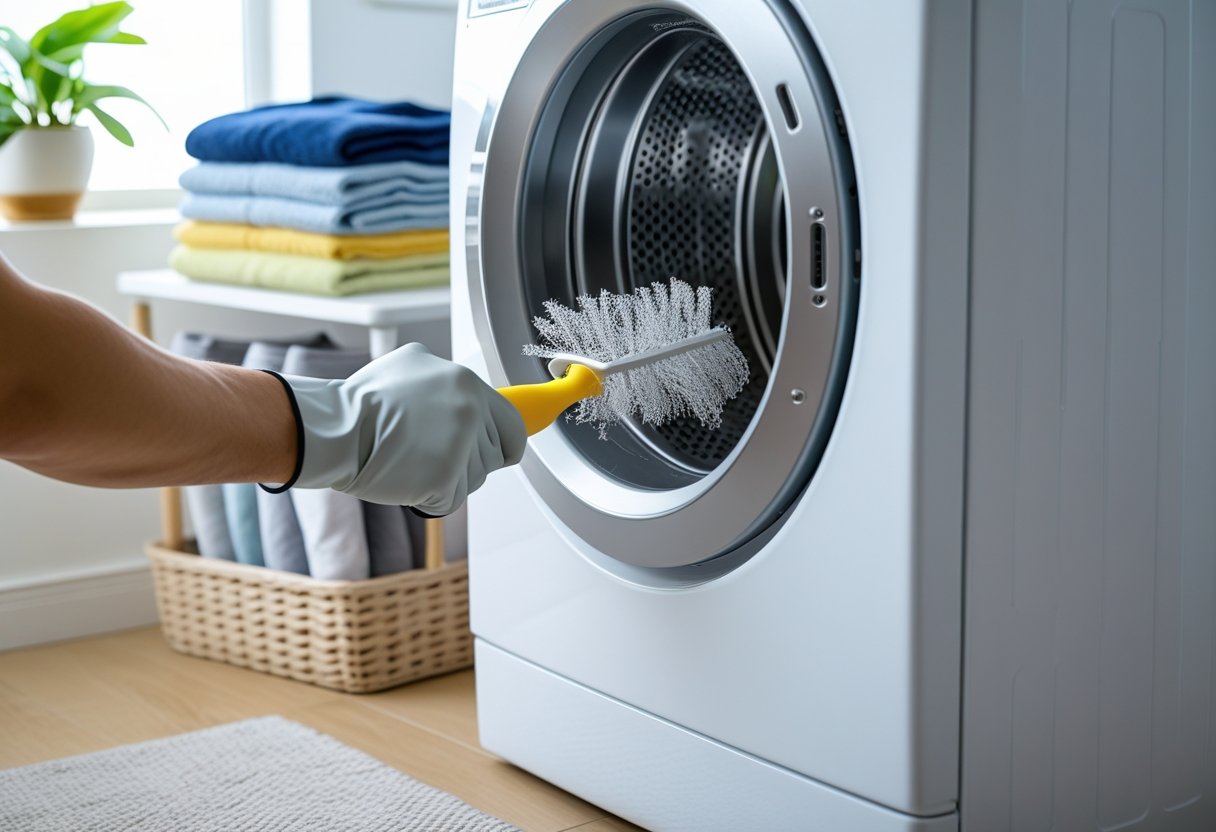
Drying times depend on how easily air moves through the dryer vent. When the vent becomes clogged with lint or debris, airflow slows down, forcing the dryer to run longer for each load. This delays drying and increases energy use.
A clean dryer vent allows hot, moist air to escape efficiently. Clothes dry faster, and the need for multiple cycles is reduced. For example, a load that takes 60 minutes with a clogged vent may dry in 35 to 40 minutes once the vent is properly cleaned.
Shorter drying times also reduce strain on the dryer. Less run time means fewer mechanical issues, such as worn belts or motor stress. Consistent dryer vent maintenance helps the unit perform efficiently over time.
Preventing Lint Buildup and Blockages
Lint buildup is one of the most common causes of clogged dryer vents. While the lint trap captures most debris, fine particles still pass into the vent line and collect along the duct walls over time.
A blocked dryer vent traps heat and moisture, leading to poor drying results. Regular vent cleaning prevents these issues before they become severe. Using proper dryer vent brushes or vacuum attachments helps clear lint from hard-to-reach areas.
Keeping the vent clean also reduces the risk of overheating. Restricted airflow forces the dryer to work harder, which can trigger thermal shutdowns or damage heating components. Clear vents improve both safety and performance.
Enhancing Dryer Efficiency
Dryer efficiency depends on steady airflow, proper heat balance, and minimal resistance inside the vent. When lint builds up, the dryer must use more energy to push air through the restricted duct.
By cleaning dryer vents, we allow the appliance to operate at its intended airflow rate. This helps clothes dry faster using less energy and prevents extended drying cycles that waste electricity or gas.
Over time, regular dryer vent maintenance can lead to quieter operation and noticeable energy savings. Small efficiency improvements during each load add up significantly.
Effects on Dryer Performance
Dryer performance is reflected in how evenly and consistently clothes dry. A clogged vent often causes uneven results, with some items remaining damp while others overheat.
With a clean dryer vent, heat circulates evenly, allowing sensors to detect moisture accurately. The dryer no longer needs to compensate for airflow restrictions, which improves overall performance.
Clean vents also protect internal components. Motors, fans, and heating elements last longer when airflow is unrestricted, helping the dryer operate closer to factory standards with less noise and strain.
Safety and Fire Prevention Benefits
Keeping dryer vents clean helps protect homes from fires, reduces costly damage, and supports safe appliance operation. Regular maintenance prevents lint buildup, improves airflow, and reduces overheating risks.
1. Reducing Fire Hazards
Lint is highly flammable. When it accumulates inside dryer vent ducts, it increases the risk of ignition. Removing built-up lint allows heat to escape properly and keeps internal dryer temperatures within safe limits.
While cleaning the lint trap after each load is important, lint still escapes into the vent system. Over time, this hidden buildup can dry out and become a fire hazard if not removed.
Routine dryer vent cleaning clears obstructions that trap heat and reduce airflow.
2. Lowering the Risk of House Fires
Many dryer fires start when clogged vents cause overheating or when lint comes into contact with hot components. Regular vent inspection and cleaning significantly reduce this risk.
Blocked vents force dryers to run longer and hotter, placing stress on wiring and heating elements. Clean vents protect both the appliance and the home from potential ignition sources.
Professional dryer vent cleaning can also identify hidden blockages, damaged ducts, or unsafe vent routing that homeowners may not notice.
3. Addressing Excess Lint and Overheating
Excess lint restricts airflow and traps heat and moisture inside the vent system. This raises temperatures within the dryer and ductwork, increasing wear and safety risks.
Clearing lint from both interior ducts and the exterior vent outlet helps stabilize temperatures and maintain safe operation. Even small lint accumulations can reduce efficiency over time.
Proper airflow protects wiring, reduces repair costs, and prevents the dryer from becoming a fire hazard.
Additional Advantages of Clean Dryer Vents
Clean dryer vents offer more than faster drying. They improve indoor air quality, support energy efficiency, protect clothing, and reduce moisture-related issues.
1. Improving Indoor Air Quality
Blocked vents allow warm, moist air to linger indoors, spreading dust and odors. Regular vent cleaning ensures proper airflow and helps remove airborne particles from the laundry area.
Cleaner airflow is especially beneficial for people with allergies or respiratory concerns. Proper lint trap maintenance also reduces the spread of fine dust into the home.
2. Saving Energy and Reducing Utility Bills
Efficient airflow allows dryers to complete cycles faster, using less electricity or gas. Clean vents reduce the need for extended run times and help lower monthly utility costs.
Simple habits such as cleaning the lint filter, inspecting the exterior vent cover, and scheduling routine vent maintenance help keep energy use under control.
3. Protecting Clothing and Appliance Lifespan
Heat buildup from restricted airflow can damage dryer components and shorten appliance lifespan. Clean vents allow accurate temperature control and prevent overheating.
Clothing also benefits. Even drying reduces fabric wear, preserves color, and minimizes heat damage. Fewer cycles mean less strain on both clothing and the dryer.
4. Minimizing Allergens and Mold Growth
Trapped moisture in clogged vents creates conditions where mold can develop. Proper airflow removes excess humidity and reduces the risk of mold growth near the laundry area.
Lint and dust can also carry allergens. Keeping vents clean ensures these particles are directed outside rather than circulating indoors.
Best Practices and Professional Dryer Vent Maintenance
Consistent dryer vent maintenance helps improve drying performance, save energy, and prevent safety issues.
Recognizing Signs of Clogged Vents
Common signs include longer drying times, excessive heat, burning smells, or lint buildup around the vent outlet. Exterior vent flaps that do not open fully during operation often indicate airflow restrictions.
Noticing these warning signs early helps prevent costly repairs and safety hazards.
Routine Cleaning and Maintenance Steps
Disconnect power before cleaning. Use a dryer vent brush or vacuum attachment to remove lint from the duct. Clean both interior and exterior vent points for best results.
Cleaning the lint screen after every load and washing it monthly prevents residue buildup that restricts airflow.
Choosing Professional Dryer Vent Cleaning Services
Professional services are recommended for stubborn lint buildup or complex vent systems. Technicians use specialized tools to clean deeper sections of the vent and inspect for damage or improper installations.
They can also identify crushed ducts, loose connections, or unsafe materials that reduce efficiency and safety.
Essential Tools and Safety Precautions
Wear safety goggles and a dust mask when cleaning vents. Use proper vent brushes rather than sharp objects to avoid duct damage.
Unplug electric dryers and turn off gas supplies before cleaning. Ensure the exterior vent flap opens freely after cleaning to confirm proper airflow.