Most of us focus on dusting and vacuuming to control allergens, but we often overlook one hidden source; the dryer vent. When lint, dust, and moisture build up inside the vent, they can spread allergens throughout the house each time we use the dryer. Keeping the dryer vent clean helps lower allergens and improves the air quality in our home.
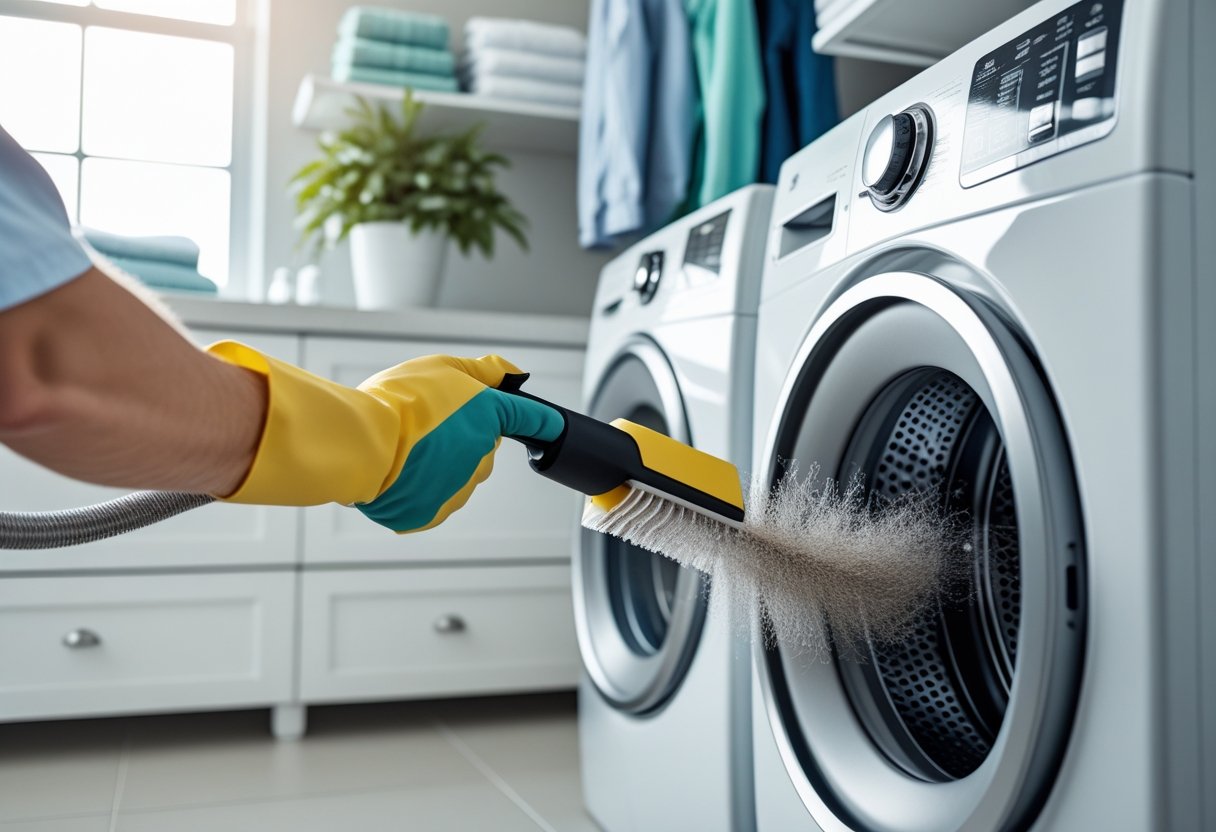
A clogged dryer vent can trap particles that affect breathing and trigger allergies. As air flows through a dirty vent, small bits of lint and debris can enter the space where we live. Cleaning it regularly reduces this buildup and makes it easier for our dryer to work more efficiently.
We’ll look at how regular vent maintenance supports a healthier home. We’ll also cover what happens when vents stay blocked and how to clean them safely to reduce allergy triggers for everyone in our household.
How Dryer Vent Cleaning Reduces Home Allergens
Keeping dryer vents clean helps reduce common indoor allergens by stopping lint, dust, and moisture from building up. This lowers allergen exposure inside our homes and supports better indoor air quality.
The Role of Dryer Vents in Allergen Accumulation
Dryer vents collect warm, humid air each time we dry clothes. When lint and debris build up, airflow slows, and moisture becomes trapped inside the vent. This damp environment allows mold spores and dust mites to grow, both known allergy triggers.
We often overlook that dryer lint includes tiny fibers and dust from fabrics. Over time, this material sticks to the vent walls and nearby air paths. The more clogged a vent becomes, the easier it is for airborne allergens to circulate back into indoor air. Regular cleaning breaks this cycle and keeps allergens from spreading through our living spaces.
Types of Allergens Found in Dryer Vents
Dryer vents can trap multiple types of household allergens. Common irritants include lint, dust, pet dander, pollen, and mold spores. These materials collect inside the duct and combine with warm, moist air to form layers of buildup.
Below are some typical allergens we may find:
| Allergen Type | Common Source | Potential Effect |
|---|---|---|
| Lint & Dust | Fabric fibers, clothes particles | Sneezing, itchy eyes |
| Pet Dander | Hair and skin flakes from pets | Respiratory irritation |
| Pollen | Clothes dried outdoors or near open windows | Hay fever symptoms |
| Mold Spores | Moist lint buildup inside damp vents | Asthma flare-ups |
When these materials mix, the vent becomes a small but persistent source of indoor allergens that affect those with allergies or asthma.
How Dirty Dryer Vents Impact Allergy Symptoms
Clogged dryer vents don’t just reduce appliance efficiency; they also worsen allergy symptoms. As dust and dander collect, they move through air leaks or during dryer cycles. Once airborne, these particles cause respiratory issues and discomfort for anyone sensitive to indoor allergens.
People may notice symptoms such as coughing, sneezing, congestion, or itchy eyes after running the dryer. In homes with high humidity, moisture trapped in vents can allow mold growth, which releases spores into the air. For those with asthma, this can trigger wheezing or sinus irritation. A clean vent helps limit these problems and makes the home safer for those with sensitivities.
Dirty Dryer Vents and Allergen Recirculation
When vents become blocked, excess lint and dust may escape back into the laundry area. Each time we use the dryer, it can blow airborne allergens back through small leaks, vent covers, or even around the dryer itself. This redistributes allergens rather than removing them.
In many homes, this hidden recirculation goes unnoticed. The more lint and debris present, the more likely pet dander, dust mites, and mold spores will spread into indoor air. Cleaning the vent removes the main source of buildup and ensures that allergens exit the home instead of re-entering it. Regular maintenance every six to twelve months supports cleaner air and fewer allergy triggers.
Impact of Dryer Vent Cleaning on Indoor Air Quality
Regular dryer vent cleaning reduces dust, allergens, and humidity levels that can harm indoor air quality. It improves ventilation and limits mold, mildew, and pollutant buildup that affect our breathing environment.
Connection Between Air Quality and Allergen Exposure
When we maintain clean dryer vents, we lower the number of airborne contaminants in our homes. Poor air quality often results from dust, pet dander, and lint particles circulating through the air ducts and vent systems. These particles can irritate our lungs, nasal passages, and skin, especially for people with asthma or allergies.
Even small amounts of lint or dust contribute to particulate matter that settles on surfaces or floats in the air. Over time, these fine particles combine with volatile organic compounds (VOCs) from cleaning products, forming indoor air pollution that impacts comfort and health.
Cleaning vents helps limit allergen exposure by removing trapped debris that otherwise gets recirculated. Fewer airborne allergens mean fewer sneezes, less congestion, and cleaner indoor air that supports overall respiratory health.
Lint Buildup and Indoor Pollution
A clogged dryer vent restricts airflow, allowing lint and dust to collect and spread into the indoor environment. This buildup not only reduces dryer efficiency but also releases tiny fibers and contaminants back into the air.
Lint acts as a carrier for pollutants such as chemicals, pollen, and bacteria. When those materials accumulate, they increase the level of indoor air pollution and may trigger allergies or irritate the respiratory system.
A simple cleaning schedule reduces these risks. By removing trapped lint, we lower the concentration of particulate matter in the air and prevent lingering musty odors that signal hidden bacteria or mildew issues.
Humidity and Mold Growth Risks
Moisture buildup in dryer vents increases the risk of mold and mildew. When warm, damp air cannot exhaust properly, humidity levels rise inside the vent and surrounding areas. That trapped moisture creates an ideal environment for bacteria, viruses, and mold spores to grow.
Excess indoor humidity also raises the risk of surface damage and unpleasant smells. We may notice walls or ceilings near the laundry area feeling damp or showing dark spots, which are signs of mold growth.
Keeping vents clear allows moist air to escape outdoors, preventing condensation and helping maintain a balanced indoor humidity level between 30-50%, which discourages mildew and bacterial growth.
Ventilation, Airflow, and Healthy Homes
Properly cleaned vents improve air circulation throughout the home. When airflow is strong, our HVAC system operates efficiently because it doesn’t have to push air through blocked ducts or exhaust lines.
Better ventilation reduces the buildup of pollutants and improves indoor comfort. It also limits the spread of viruses and bacteria that thrive in stagnant air.
Clean vents work alongside the HVAC system to maintain consistent air pressure and prevent pollutants from re-entering living spaces. This leads to fresher indoor air and supports long-term HVAC performance while helping us breathe easier in a healthier home.
Health Risks of Clogged or Dirty Dryer Vents
A blocked dryer vent does more than slow drying times. Dirty vents can affect the air we breathe, raise fire risks, and even expose us to harmful gases from gas dryers. Keeping the vent clean helps protect our health and home safety.
Breathing Difficulties and Respiratory Problems
When lint and dust build up inside a dryer vent, small particles can leak into the air. We may notice more sneezing, coughing, or itchy eyes, especially when the laundry runs. These particles irritate the nose and lungs, which can lead to shortness of breath or worsen existing respiratory problems.
Dirty vents also hold moisture from damp clothes. This moisture can support mold growth, and mold spores spread easily through indoor air. Breathing in these spores may cause difficulty breathing, sore throats, or chest discomfort. Over time, our indoor air quality drops, making us more likely to feel tired or congested.
Regularly clearing lint and dust reduces the spread of allergens and helps us breathe easier. A clean vent makes the dryer more efficient and provides better airflow throughout the home.
Increased Risk for Allergy and Asthma Sufferers
Allergy and asthma sufferers react strongly to airborne particles like lint, dust, and mold. A blocked dryer vent can push these irritants into the living space each time we run a load. For some people, this can trigger allergic reactions or asthma flare-ups, leading to wheezing or tightness in the chest.
Even small amounts of excessive lint trapped in filters or ducts can affect how clean the air stays inside. Those sensitive to indoor allergens may feel discomfort longer after finishing laundry. Cleaning the vent allows trapped moisture and debris to escape properly, limiting places for mold or mites to grow.
To help control allergy symptoms:
- Clean the lint trap before each load.
- Schedule dryer vent cleaning at least once a year.
- Keep the laundry area dry and well-ventilated.
By taking these steps, we help lower exposure to triggers that can make breathing harder for allergy sufferers.
Fire Hazards and Carbon Monoxide Concerns
Lint is highly flammable, and a clogged or dirty dryer vent traps heat and gas instead of releasing them. As heat builds up, it can ignite the lint inside the duct, turning a small blockage into a possible house fire. Many household fire reports trace back to dirty vents that went unnoticed for months or years.
For gas dryers, a blocked vent also prevents fumes from exiting safely. This buildup increases the chance of carbon monoxide poisoning, which can cause dizziness, headaches, or nausea. The invisible gas spreads quickly and can become dangerous in confined areas.
Routine checks and professional cleanings lower both fire hazard and gas buildup risk. Keeping vents clear ensures that air flows freely and heat escapes properly, keeping our homes safer and our dryers running efficiently.
Best Practices for Dryer Vent Maintenance and Allergen Control
We maintain a healthy home environment when we keep our dryer vent system clean and working efficiently. Regular care prevents lint buildup, supports proper airflow, and reduces allergens that can spread through ventilation systems.
Frequency and Methods for Vent Cleaning
We should clean our dryer vent at least once every 12 months. Homes with large families or frequent laundry loads may need cleaning every six months. Regular attention to lint accumulation helps prevent poor dryer efficiency and higher energy consumption.
We can follow a few steps for basic maintenance:
- Unplug the dryer before cleaning.
- Remove the lint trap and wash it with soap and water.
- Use a vacuum hose or vent brush to remove lint from the ductwork.
- Check that the exterior vent flap opens fully when the dryer runs.
We also inspect and clean around the dryer area. Dust and lint can gather behind or under the appliance, which can contribute to allergens.
Benefits of Professional Dryer Vent Cleaning Services
Professional vent cleaning services reach deep into the ductwork where most homeowners cannot. A dryer vent cleaning service uses specialized tools to remove stubborn lint, debris, and dust buildup. This process improves airflow, lowers drying time, and helps maintain energy efficiency.
Hiring a professional dryer vent cleaning company often identifies issues like crushed ducts, disconnected lines, or blockages. These problems can reduce dryer performance and raise utility bills. Skilled technicians can repair or replace damaged parts during service.
We also lower the risk of trapped moisture and hidden mold by having the entire ventilation system checked. Clean vents help limit the spread of indoor allergens, keeping our laundry area and home air cleaner.
DIY Tips to Reduce Allergen Exposure
We can apply a few simple habits to limit allergens around our dryer and in the air. Cleaning the lint trap after every drying cycle keeps lint from entering the duct system. Washing bedding, curtains, and clothing in hot water helps remove dust mites and pollen more effectively.
After each load, we should run the dryer for a short cool cycle with the vent flap open to blow out remaining lint. Vacuuming nearby floors and wiping the surrounding walls also help reduce dust circulation.
If possible, we keep our laundry space ventilated with a small fan or open window during use. Proper airflow reduces humidity, discourages mold growth, and keeps allergens from building up.
Indicators Your Dryer Vent Needs Cleaning
Several clear signs tell us when it’s time for dryer vent maintenance. The drying time increases, clothes feel hot or damp, or the dryer itself becomes unusually warm. These indicate restricted airflow caused by lint buildup inside the vent.
Other common indicators include a musty odor around the dryer, excessive lint behind the unit, or a vent flap outside that barely opens when the dryer runs. High energy consumption and rising utility bills can also signal a dirty vent system.
When we see these symptoms, scheduling a professional dryer vent cleaning or performing thorough DIY duct cleaning restores performance and supports a healthier home environment.