When we think about indoor air quality, we often focus on dust, mold, or pet dander. But an overlooked source of poor air can hide right behind the laundry room wall. Clogged dryer vents trap moisture, lint, and heat, all of which can reduce the freshness of the air we breathe at home. A blocked dryer vent can circulate contaminants and humidity into the air, lowering indoor air quality and creating an unhealthy environment.
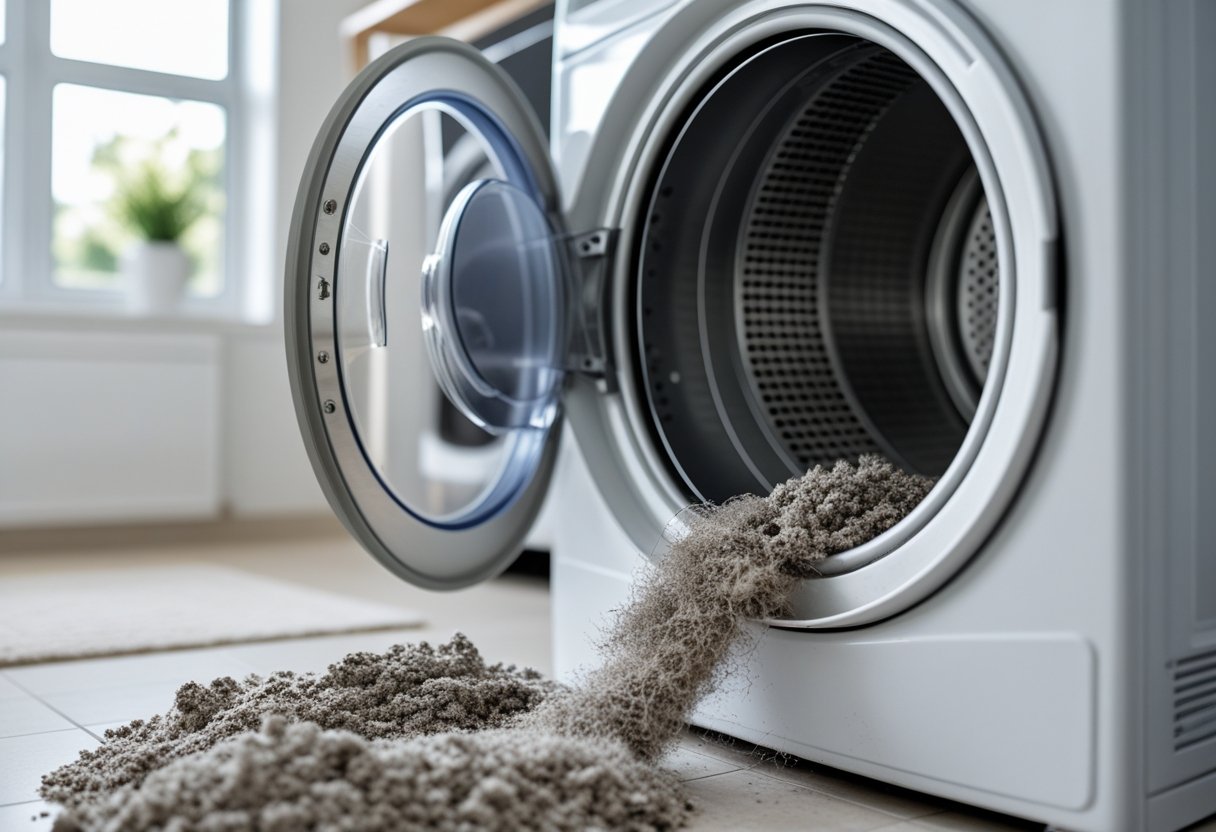
We may not notice it at first, but trapped lint restricts airflow and pushes unwanted particles back into our living space. Over time, this buildup can trigger musty smells, increase allergens, and even pose safety risks. Understanding how dryer vents affect the air helps us spot signs of trouble early.
By learning how clogged vents impact our health, safety, and energy use, we can take simple steps to protect our homes. Regular maintenance not only improves air quality but also keeps our appliances running efficiently for longer.
How Clogged Dryer Vents Affect Indoor Air Quality
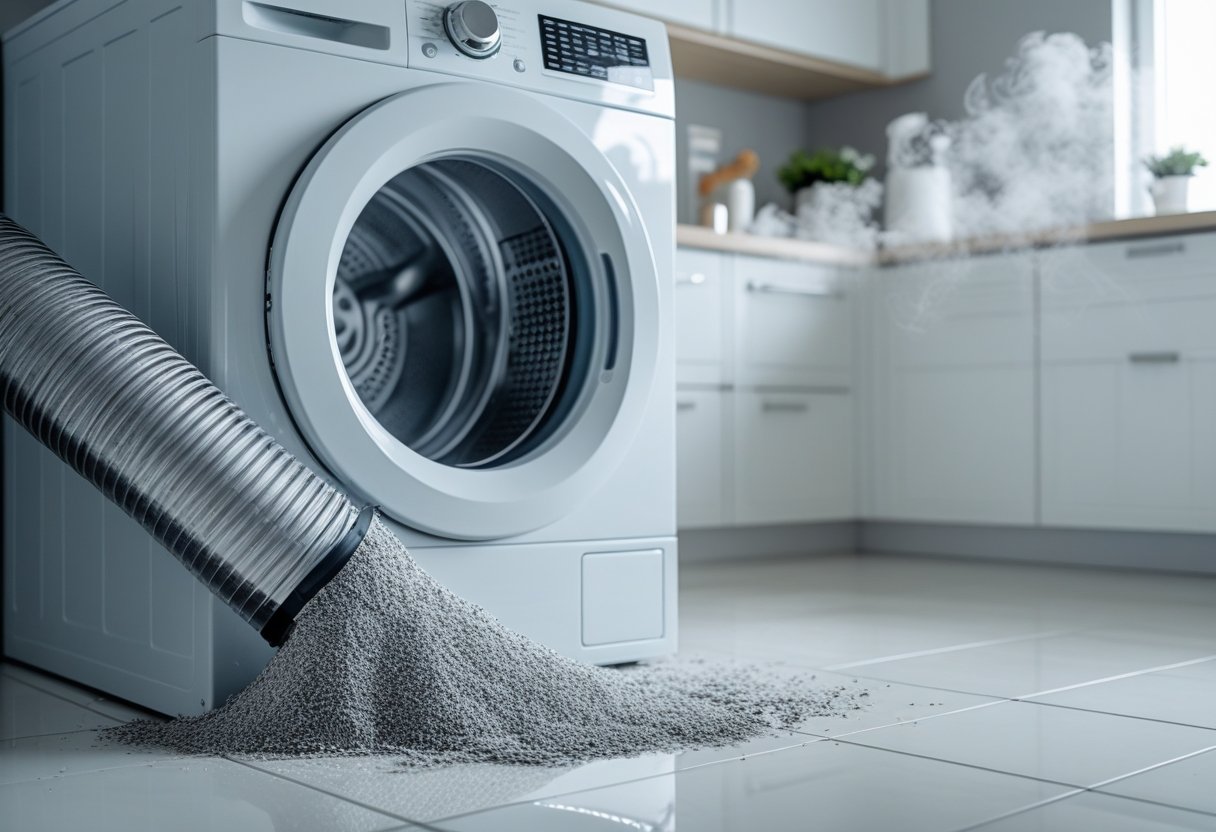
When lint buildup blocks the dryer vent, air cannot flow properly. This poor air circulation can push moisture, dust, and other pollutants back into the home. As the vent struggles to release exhaust, we may notice higher humidity, musty odors, or even more dust in our living spaces.
Backdraft and Circulation of Contaminants
A clogged dryer vent often causes a backdraft, which means air that should exit outside flows back into the house. This air may carry lint particles, fine dust, and chemical residues from laundry products. These contaminants can mix into the indoor air, lowering air quality and irritating our lungs or skin.
Poor air circulation also traps heat and fumes near the laundry area. When these substances stay in the home, they can worsen symptoms for people with asthma, allergies, or other respiratory issues.
To reduce this problem, we must keep the vent clear of obstructions. Regular cleaning and inspection every 6 to 12 months helps avoid buildup and ensures proper exhaust flow.
Quick check:
| Problem | Sign | Possible Risk |
|---|---|---|
| Backdraft | Hot air or lint near dryer | Contaminated indoor air |
| Blocked vent flap | Moist air returning inside | Increased humidity, odors |
Increased Humidity and Mold Growth
A blocked dryer vent traps moist air that should move outdoors. This air raises indoor humidity, especially in laundry rooms or nearby spaces. Consistent dampness can encourage mold growth on walls, ceilings, or inside ductwork.
Mold releases tiny mold spores that become airborne and spread through the home. Breathing in these spores can trigger coughing, congestion, or allergic reactions. Individuals with weak immune systems or respiratory conditions may be more sensitive.
We can prevent this by maintaining low humidity; ideally under 50%; and cleaning vents regularly. Adding a humidity monitor or dehumidifier can also help track moisture levels and stop growth before it starts.
Release of Allergens and Particulates
As lint builds up in the vent, it collects dust, dust mites, pet hair, and other allergens. When the vent clogs, these materials can re-enter the indoor air. Over time, this buildup may lead to more sneezing, watery eyes, or breathing problems for family members.
Dryer lint also contains synthetic fibers that can act as micro-particles, sticking to furniture and surfaces. Without proper ventilation, they settle and mix with other indoor pollutants.
Keeping the vent clean not only improves airflow but also limits allergen circulation. We should vacuum around the dryer, clean the lint trap after every load, and have the vent line professionally cleared as needed. This routine helps protect both our health and our indoor air quality.
Health and Safety Risks Linked to Blocked Dryer Vents
Clogged dryer vents reduce air circulation, trap moisture, and increase the buildup of pollutants inside our homes. These risks can lead to breathing problems, mold growth, and even exposure to dangerous gases.
Respiratory Issues and Allergic Reactions
When lint, dust, and fine particles collect inside dryer vents, they often release into indoor air. We may breathe these small particles without noticing, but over time they can irritate our lungs. People with asthma, allergies, or other respiratory issues usually feel these effects first. They might cough more, wheeze, or experience shortness of breath after drying laundry.
Blocked vents can also raise humidity levels, allowing allergens to cling to surfaces and circulate. The result often includes more allergic reactions such as sneezing or itchy eyes. Even those without a chronic condition can feel discomfort in poorly ventilated laundry rooms. Keeping vents clear and clean plays a key role in maintaining cleaner, healthier air.
Common symptoms linked to poor ventilation:
- Coughing and throat irritation
- Nasal congestion or sneezing
- Increased asthma flare-ups
- Eye and skin irritation
Mold and Mildew Exposure
Trapped moisture in a clogged vent creates the kind of warm, damp environment where mold and mildew thrive. These fungi release mold spores into the air, which we can easily breathe. People sensitive to mold often develop congestion, sinus pressure, or other allergic reactions. Those with weak immune systems or existing breathing problems face higher risks.
Mold buildup may also spread from the vent to nearby walls, floors, or insulation. This causes unpleasant odors and may require costly repairs if left untreated. In some cases, clothes can retain a musty smell after drying.
To prevent this, we should:
- Inspect the vent hose for damp buildup.
- Keep the area well-ventilated.
- Clean the lint filter before every load.
Carbon Monoxide and Chemical Hazards
When dryers, especially gas models, cannot expel exhaust properly, carbon monoxide build-up becomes possible. This colorless, odorless gas can move from the vent back into living areas. Inhaling it can lead to carbon monoxide poisoning, which causes headaches, dizziness, or fatigue. In severe cases, it can be fatal.
A blocked vent also prevents heat from escaping, raising the risk of dryer fires and fire hazards. Lint is highly flammable, so any spark could start a blaze. Alongside gas leaks, trapped exhaust may include chemical residues from detergents or fabric softeners, aggravating chemical sensitivities for some people.
Installing carbon monoxide detectors near the laundry area and scheduling regular vent cleaning help reduce these dangers and keep our homes safer.
Impact of Clogged Dryer Vents on Home Efficiency
When lint blocks airflow in a dryer vent system, the home loses energy efficiency and comfort. The reduced performance of dryers, increased energy costs, and extra strain on HVAC systems all result from avoidable airflow restrictions.
Reduced Dryer Performance
A clogged dryer vent lowers dryer efficiency by blocking hot, moist air from escaping. This makes the dryer run longer to dry the same load. Clothes stay damp, and we may notice more heat in the laundry room.
When lint accumulation builds up, air pressure in the dryer vent system decreases. The moist, heated air that should leave the vent cycles back inside the dryer drum. As a result, internal humidity increases, and sensors misread drying times.
We can spot declining dryer performance through signs like longer drying cycles, overheating, or a burning smell near the vent. In severe cases, the dryer automatically shuts off to prevent overheating. Regular cleaning helps restore airflow, protect the appliance, and maintain safe operation.
Higher Energy Bills and Environmental Effects
When dryers lose airflow efficiency, they take twice as long to finish a load, using more electricity or gas. Each overworked cycle raises energy bills and wastes energy that could be saved with proper maintenance.
A clogged dryer vent forces the heating element to run at full capacity for longer periods. This increases energy costs and creates unnecessary environmental impact from higher energy demand. Over time, this pattern leads to faster wear on mechanical parts, shortening the dryer’s lifespan.
Simple habits help control these costs:
- Clean the lint trap after every load
- Inspect the vent outlet at least once a year
- Avoid overloading the dryer drum
By keeping the vent system clear, we reduce wasted energy and cut down on our household’s carbon footprint.
Strain on HVAC Systems
Lint buildup in the dryer vent system can also affect the indoor climate. A blocked vent traps heat and moisture inside the room, which spreads through the home and forces the HVAC system to work harder.
Extra humidity makes air conditioners run longer to remove moisture. In colder months, trapped heat interferes with how evenly warm air circulates through vents. This lowers overall energy efficiency and comfort indoors.
Excess heat from slow-drying dryers can raise the room temperature, causing HVAC equipment to cycle more often. That constant cycling increases energy costs and reduces the system’s service life.
Keeping dryer vents clean helps maintain balanced airflow, steady temperatures, and reliable home performance.
Prevention and Maintenance for Healthy Indoor Air
Keeping our dryer vents clean reduces moisture buildup, improves airflow, and prevents dust and lint from circulating indoors. Regular maintenance protects both our home’s air quality and the efficiency of our dryer system.
Recognizing Warning Signs of Clogged Vents
We can often spot vent problems before they cause bigger issues. A burning smell, clothes taking longer to dry, or a dryer that feels unusually hot all point to a blocked vent. Excess lint around the dryer or on the wall outlet also signals restricted airflow.
When the duct becomes clogged, soft materials like lint trap more dust and moisture. This buildup can lead to musty odors and increase humidity indoors. In some cases, mold may start forming inside the vent or surrounding areas.
To track these changes, we should pay attention to how our dryer performs over time. Setting a reminder to check lint buildup every few weeks helps us detect problems early. Addressing these signs quickly reduces the risk of poor indoor air and fire hazards identified by the National Fire Protection Association (NFPA).
Proper Dryer Vent Cleaning Practices
Routine dryer vent cleaning keeps air circulation strong and reduces particles released into our home. After every load, we should empty the lint trap and inspect it for damage. Cleaning both the screen and the surrounding area prevents debris from collecting in the vent line.
We can remove lint from the duct using a flexible brush or a vacuum attachment. For long or angled vents, disconnecting the dryer may help us reach deeper buildup. Once cleaned, reconnect the duct firmly to prevent leaks.
A short maintenance schedule helps:
| Task | Recommended Frequency |
|---|---|
| Empty lint trap | After every cycle |
| Inspect exterior vent flap | Monthly |
| Deep-clean vent duct | Every 6-12 months |
Following this schedule supports cleaner air and extends dryer life.
Benefits of Professional Dryer Vent Cleaning
Even with careful maintenance, some debris and moisture remain in hidden vent sections. Professional dryer vent cleaning services use specialized tools to remove compacted lint that standard methods miss. These technicians also check the duct line for bends, damage, or improper installation.
Hiring a dryer vent cleaning service ensures we meet safety standards and maintain good indoor air quality. Professionals measure airflow and confirm that vents exhaust properly outdoors. Cleaner ducts reduce humidity and the spread of fine particles inside the house.
We also lower our energy use because clean vents help dryers operate efficiently. Professional inspections every one to two years add another layer of safety and help us maintain a healthier, cleaner indoor environment.