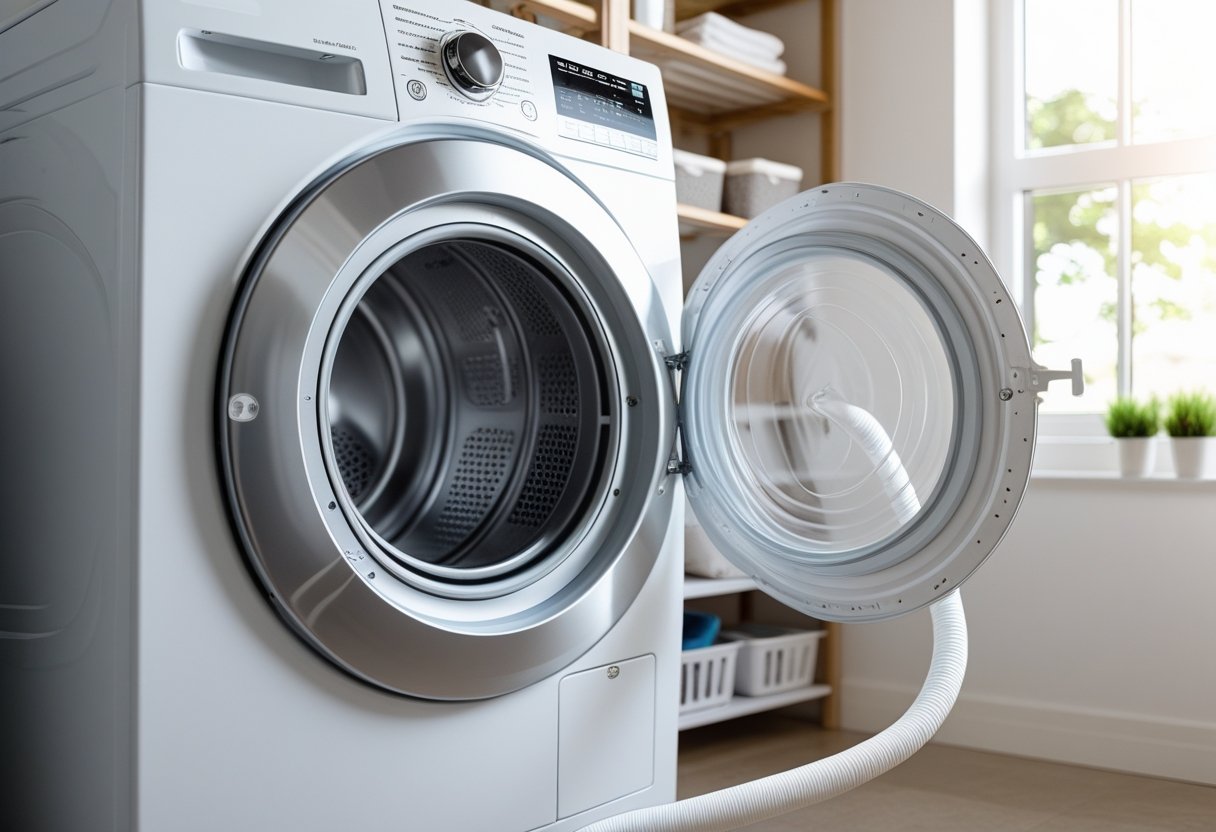
When we notice our dryer making extra noise, we often think something inside is broken. In reality, the problem may be as simple as clogged vents. Clean vents let air move freely, which reduces strain on the dryer and helps it run more quietly. This simple maintenance step can make a noticeable difference in both sound and performance.

As we look closer, we’ll see how proper airflow affects dryer noise, energy use, and overall function. We’ll also touch on how regular vent cleaning supports safety and improves air quality in our homes. By understanding these connections, we can keep our dryers efficient, quiet, and safe for everyday use.
How Clean Vents Lead to Quieter Dryer Operation

Clean dryer vents help air move smoothly through the system, prevent noisy strain on the motor, and reduce rattling from lint buildup. Keeping airflow clear and even lowers friction, cuts vibration, and helps the dryer work at a steady sound level.
The Role of Airflow in Dryer Noise
Airflow shapes how quietly or loudly our dryers run. When air passes freely through a clean dryer vent, the motor does not need to work as hard to push moisture out. Balanced airflow means fewer pressure changes inside the drum, which helps limit humming or whistling sounds.
A clean dryer vent also allows the fan to spin evenly. Uneven airflow can lead to turbulence, which increases noise levels. When we remove blockages, we help the fan and heating system operate with less effort.
Even short ducts can cause sound changes if airflow becomes uneven. We can check this by measuring airflow at the vent outlet. Good airflow keeps the motor’s tone steady, and a steady tone usually means reduced noise across each drying cycle.
Lint Buildup and Vibrations
Lint buildup changes how air moves inside dryer vents and around the drum. When trapped lint adds resistance, the dryer drum may vibrate more as it struggles to move air through the narrow spaces. These vibrations often create rumbling or shaking sounds that signal airflow problems.
We often notice this noise when lint collects near the blower or exhaust area. Removing it reduces both vibration and friction. A clean vent system stabilizes airflow, helping internal parts like bearings and belts stay balanced.
To reduce mechanical noise:
- Inspect vents regularly for lint clumps.
- Clean filters after every use.
- Schedule vent cleaning once or twice a year.
Each step lowers vibration sources and helps restore smooth, consistent operation.
Effects of Clogged Dryer Vents on Sound Levels
A clogged dryer vent forces hot air and moisture to back up inside the machine. This pressure causes the motor and fan to strain, which increases sound output. The dryer may produce a harsh humming or droning noise as it pushes against heavy resistance.
Blocked vents also make the exhaust flap rattle when air tries to escape. Loose ducts or lint-filled elbows can add more noise from airflow turbulence. When cleaned, sound levels drop because moving parts no longer fight against trapped air.
The table below shows typical changes we can expect after cleaning:
| Condition | Approx. Airflow Resistance | Noise Level Change |
|---|---|---|
| Clean dryer vent | Low | Quieter, steady tone |
| Partially clogged vent | Moderate | Noticeable hum or rattle |
| Severely clogged vent | High | Loud, strained operation |
Consistent cleaning keeps these readings low and helps dryers maintain quiet, efficient performance.
Impact on Dryer Efficiency and Performance
Clean dryer vents allow proper airflow, which improves how efficiently a dryer operates. When we remove lint buildup and debris, the machine uses less power, dries clothes faster, and avoids heat strain that can shorten its lifespan.
Shorter Drying Cycles with Clear Vents
When vents stay clear, air moves freely through the dryer vent system. This airflow helps moisture leave the drum faster, which shortens drying cycles and reduces drying times for every load. Even small lint blockages can slow air movement and trap warm, moist air inside.
We often notice that after dryer vent cleaning, a cycle that once took 60 minutes may finish in 40 or less. This happens because the machine no longer works against built-up pressure or restricted airflow.
Shorter cycles not only save time but also protect fabrics. Clothes experience less heat and tumbling, which reduces wear. Over time, this improvement in dryer performance helps our laundry process run smoother and more predictably.
Energy Savings and Lower Utility Bills
A clogged vent forces the dryer to run longer and use more energy to reach the same drying result. With clean dryer vents, the machine runs at peak dryer efficiency and uses less electricity or gas.
We can think of energy savings as coming from two key changes:
- Reduced run time – Shorter drying cycles mean the appliance draws power for less time.
- Improved airflow – The heating element works more effectively, using less energy to maintain temperature.
These two factors lower energy consumption, which directly reduces utility bills. On average, routine dryer vent maintenance may cut energy use for drying by 15% to 25%, depending on how blocked the vent was before cleaning. In households that dry several loads a week, the savings add up quickly.
Prolonged Appliance Lifespan
Keeping vents clean helps the dryer last longer. When airflow remains unrestricted, the motor, heating element, and other parts do not run under excess stress. This helps prevent early wear that can shorten appliance lifespan.
We often see dryers fail early due to overheating or motor burnout caused by clogged ducts. Performing regular dryer vent cleaning reduces stress on internal components and keeps them functioning as designed.
A clean system also limits dust buildup inside the dryer itself, which can affect sensors and belts. Simple maintenance supports consistent dryer performance and delays the need for expensive repairs or replacements.
Dryer Overheating Prevention
Blocked vents trap hot air inside the dryer, making it run at temperatures higher than normal. Overheating puts several parts at risk, including the heating element, drum seals, and wires. Worse, trapped heat can become a serious fire hazard.
By keeping the vent pathway clear, heat exits efficiently, letting the dryer regulate internal temperature more accurately. Dryer vent maintenance prevents the buildup of lint, which easily ignites when exposed to high heat.
Good airflow also helps keep sensors working correctly, ensuring the machine shuts off once clothes reach proper dryness. This improves safety, prevents dryer overheating, and supports dependable day-to-day operation.
Home Safety and Air Quality Benefits
Keeping dryer vents clean lowers the chances of dangerous lint buildup and helps maintain the air we breathe inside the home. When airflow moves freely, dryers run safely, and the air remains fresher and drier.
Fire Prevention and Risk Reduction
Lint accumulation is one of the leading causes of dryer fires. When lint clogs the vent system, heat cannot escape, increasing the temperature inside the dryer. Over time, this trapped heat can ignite the lint and start a fire that spreads quickly.
Routine air duct cleaning and vent inspections reduce this risk. By removing lint and debris, we help air circulate efficiently, keeping the dryer’s temperature stable. Clean vents also allow safety sensors to work properly because overheating becomes less likely.
We can look for warning signs that indicate a possible risk:
- Longer drying times
- A burning smell near the dryer
- Hot surfaces or lint around the vent outlet
Taking action early through proper maintenance prevents costly damage and supports consistent safety in our homes.
Enhanced Indoor Air Quality
Dirty vents can affect indoor air quality by pushing dust, lint, and small fibers back into the air. Each cycle can release tiny particles that spread into nearby rooms. Over time, this buildup can trigger allergies or breathing discomfort.
When vents stay clean, airflow carries moisture and heat outside instead of back into the home. We keep our air cleaner and reduce unwanted smells caused by trapped lint and damp residue.
We can notice cleaner air after regular vent cleaning because less debris passes through filters or settles on surfaces. For families with small children, pets, or respiratory concerns, this step provides a safer, healthier living space.
Minimizing Mold and Moisture Concerns
Blocked vents trap moisture inside the duct or behind the dryer. When humidity rises, mold and mildew can start to grow. These microbes cause musty odors and can spread spores into the air.
Proper vent maintenance stops moisture from lingering where it doesn’t belong. Any leftover condensation dries faster, keeping surfaces dry and less inviting for mold growth.
To prevent moisture buildup, we should:
- Check vents for obstructions after each load.
- Clean ducts and connections at least once a year.
- Ensure outdoor vent covers open freely to release humid air.
Dry, unblocked vent systems keep both the dryer and our home’s air cleaner and more comfortable.
Best Practices for Dryer Vent Cleaning and Maintenance
We keep our dryers running quietly and efficiently by removing lint buildup, checking vent connections, and using proper tools for deep cleaning. Regular upkeep helps us avoid overheating, extend our dryer’s life, and reduce the risk of costly repairs.
Signs Your Dryer Vent Needs Cleaning
A dryer vent that needs cleaning often shows early warning signs we can spot easily. When clothes take longer to dry, or come out feeling hotter than usual, lint may be blocking airflow. If we notice a burning smell, the vent hose feels hot, or the dryer shuts off unexpectedly, lint buildup may be straining the thermal fuse.
We should also look behind the machine. A crushed or kinked dryer vent hose restricts airflow, and lint around the hose connection indicates a leak. Gas dryers may show changes in flame color or increased heat in the laundry area, both signs of poor venting.
To track maintenance, we can keep a simple table:
| Maintenance Sign | Action Needed |
|---|---|
| Longer drying time | Clean vent path |
| Hot dryer surface | Check vent hose and vent cover |
| Burning smell | Inspect for lint or blockages |
| Dryer shutting off | Test thermal fuse and airflow |
Staying alert to these signals keeps our dryer efficient and quiet.
DIY Versus Professional Dryer Vent Cleaning
We can perform basic cleaning ourselves using a dryer vent brush or a vacuum with a hose attachment. DIY cleaning helps remove light lint buildup from the lint trap, hose, and external vent cover. However, it may not reach deep clogs inside long or angled ducts.
A professional dryer vent cleaning makes sense when vents run through walls or ceilings. Technicians use high-powered rotary brushes and suction tools that remove hidden lint. They also inspect the dryer vent hose, connections, and internal components, including the thermal fuse, for safety.
DIY cleaning saves money but requires care not to puncture flexible ducts. Professional services provide a more complete cleaning and safety check, especially for multi-story homes or when dryers frequently overheat.
Recommended Cleaning Tools and Services
Cleaning requires simple but effective tools. A dryer vent brush kit with extendable rods reaches deep into ducts. We can also use a narrow vacuum attachment to pull out lint from tight areas. For metal vents, a soft brush protects against scratches and static buildup.
We should use only metal ducting, not plastic hoses, because metal reduces fire risk and holds less lint. If our vent exits through a long path or the exterior flap sticks, a dryer vent cleaning service can help. These professionals check air pressure, vent angles, and moisture buildup that affect drying speed.
For most homes, cleaning every 6 to 12 months keeps vents clear. Doing this helps dry clothes faster, keeps the dryer quiet, and prevents overheating in both electric and gas dryers.