Most people think of dryer vent cleaning only as a way to prevent lint buildup or reduce fire risk, but few realize how much it affects air quality. When vents clog with dust and lint, that trapped debris can spread tiny particles through the air. Those particles can trigger coughing, allergies, or breathing discomfort.
Keeping dryer vents clean helps protect our respiratory health by reducing the dust and contaminants that circulate indoors. Clean vents help us breathe easier and maintain a fresher, safer home environment.
We’ll explore how this simple maintenance task supports healthy indoor air, reduces allergens, and keeps our appliances working efficiently. By understanding the deeper health impact of clean dryer vents, we can take practical steps toward a cleaner and safer living space.
The Impact of Clean Dryer Vents on Respiratory Health
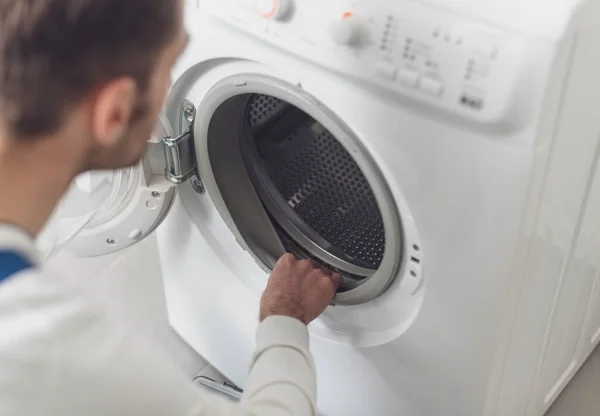
Clean dryer vents help keep indoor air safer to breathe by limiting trapped dust, moisture, and heat that can lead to poor air quality. This reduces harmful buildup that can worsen allergies, asthma, and other respiratory problems in the home.
Reduction of Allergens and Asthma Triggers
When lint and dust collect in a dryer vent, they can circulate back into the air each time we use the machine. These particles include fine fibers and other microscopic debris that can irritate sensitive lungs. People with asthma may notice more frequent coughing or shortness of breath when the air contains a lot of airborne lint.
A clean dryer vent helps remove these allergens at their source. Consistent cleaning traps dust before it recirculates through the laundry space. This limits unnecessary exposure and helps keep airways clearer.
We also reduce secondary triggers such as pollen, pet hair, and chemical residues that can cling to lint. By keeping vents clear, we minimize those indoor pollutants that often cause allergy symptoms to increase.
Prevention of Mold and Mildew Growth
Moist, warm air trapped in a clogged dryer vent creates a good environment for mold and mildew. These fungi spread easily, releasing spores that can affect respiratory health. In humid homes, this problem can become severe if vents stay blocked and moisture cannot escape.
By making sure vents stay open and free of debris, we lower humidity inside the duct and prevent mold growth from starting. A clean vent system allows proper airflow and drying, which keeps fabrics and surrounding areas dry.
Breathing in mold spores can cause sneezing, itchy eyes, or chest tightness. Regular vent cleaning removes damp lint and cuts down on these triggers, protecting us from long-term exposure. This simple task supports better indoor air quality.
Minimizing Dust Mites and Pet Dander Exposure
Dust mites and pet dander are common causes of respiratory irritation and allergy flares. They collect in soft materials like clothing and bedding and can spread through air movement. When lint from these items gathers in dryer vents, it traps a large amount of particulate matter that later blows back into our environment.
Keeping vents clean reduces how much of that fine dust reenters the room. Fewer airborne particles mean fewer chances for mite waste or dander to trigger sniffles or asthma symptoms. This benefits everyone, especially those with existing respiratory issues.
We strengthen the result by combining an open vent with frequent lint trap cleaning and short drying cycles. These steps lessen buildup inside ducts and help us breathe easier indoors.
How Dryer Vent Cleaning Improves Indoor Air Quality
Clean dryer vents help maintain a healthy indoor environment by improving airflow, balancing humidity, and reducing airborne particles. When vents stay clear, we reduce the buildup of dust and moisture that harm indoor air quality and make it easier to breathe clean air at home.
Enhanced Air Circulation and Ventilation
When dryer vents stay clean, air moves freely through the system. This improves air circulation by allowing warm, dry air to escape efficiently. Blocked vents force the dryer to work harder, which limits ventilation and causes stale air to linger indoors.
Proper ventilation helps replace old indoor air with fresh air. It lowers the chance of trapped lint, dust, and other small particles. As a result, our living spaces stay cleaner and feel more comfortable.
We can think of clean vents as part of our home’s ventilation network, similar to how open windows or exhaust fans remove unwanted air. A clear path keeps indoor air fresh and reduces excess heat buildup in laundry areas, which also protects the dryer from overheating.
Key benefits of better air circulation:
- Steadier indoor air exchange
- Reduced trapped heat and lint buildup
- Improved overall comfort for household members
Humidity and Moisture Control
Dryer vents that work properly remove damp air from wet clothes. If the vent is clogged, humidity builds up inside, raising moisture levels in laundry rooms and nearby areas. Over time, this can lead to moisture problems, including mild dampness or even mold growth.
Keeping vents clear helps maintain balanced humidity, which supports a healthy home environment. Lower indoor moisture discourages dust mites and bacteria from thriving. It also prevents musty odors that come from stale, humid air.
We notice that well-maintained vents keep air dry and fresh. They reduce condensation on walls or ceilings near the laundry area. This keeps building materials such as drywall, paint, and wood in good condition, preventing long-term damage from hidden dampness.
Practical tips for moisture control:
- Clean vents at least once a year.
- Use metal ducts instead of plastic or foil.
- Check for lint buildup around the vent outlet.
Reduction of Indoor Air Pollution
Blocked dryer vents trap lint and particles that can recirculate into the home. These particles include fabric fibers, dust, and chemical residues from detergents. Over time, they contribute to indoor air pollution, especially in tight or poorly ventilated spaces.
When we clean dryer vents, we remove a major source of airborne debris. This helps us breathe cleaner air and reduces irritants that may affect those with allergies or mild respiratory conditions. It also helps limit unpleasant odors caused by heated lint and blocked airflow.
A properly functioning vent expels exhaust outdoors instead of letting pollutants settle inside. Cleaner ducts mean cleaner air indoors, less dust settling on surfaces, and better indoor comfort.
Effects of reduced vent blockage on indoor air:
| Source of Pollution | Result After Cleaning |
|---|---|
| Lint buildup | Less airborne lint and residue |
| Blocked airflow | Stronger ventilation and cleaner exhaust |
| Moisture retention | Lower mold and mildew risk |
Additional Health and Home Benefits of Clean Dryer Vents
Clean dryer vents protect more than our lungs. They support home safety, lower energy costs, and prevent unwanted pests and odors from building up indoors.
Fire Hazard and Carbon Monoxide Risk Reduction
When lint blocks the vent, heat cannot escape properly. This trapped heat makes dryer fires one of the most common home fire hazards. By removing lint and debris, we reduce the chance of ignition, improving fire prevention and keeping our homes safer.
In gas dryers, a blocked vent can also cause carbon monoxide to back up into the home. This invisible gas can lead to carbon monoxide poisoning, which is dangerous and sometimes fatal. Regular vent cleaning lets exhaust gases vent outdoors as designed.
We can look for warning signs like longer drying cycles, excess heat in the laundry room, or burning smells. Addressing these issues early helps us keep the system working safely.
Pest and Odor Prevention
A clogged dryer vent attracts unwanted pests seeking warmth, especially during cooler months. Birds, rodents, and insects can enter the exterior vent opening, nesting inside and worsening blockages. These nests restrict airflow, which can cause heat to build up and increase risks.
Lint mixed with trapped moisture encourages musty odors and bacterial growth. Over time, this can leave clothes smelling damp and the laundry area unpleasant. Cleaning the vent stops this buildup and prevents mold growth inside the duct.
Keeping the vent clear also improves indoor air quality. When we avoid pests and stale air, the laundry space stays cleaner, drier, and more comfortable to use.
Energy Efficiency and Cost Savings
A clean vent lets air circulate more freely, improving dryer efficiency and shortening drying cycles. This means our clothes dry faster while using less energy.
By reducing drying time, we lower energy bills and cut unnecessary wear on the machine. The result is not only energy savings but also longer equipment life.
| Condition | Effect on Dryer | Impact on Costs |
|---|---|---|
| Blocked vent | Longer drying cycles | Higher energy costs |
| Clean vent | Improved airflow | Lower energy bills |
Maintaining energy efficiency helps us save money and operate the dryer safely throughout its service life.
Dryer Vent Maintenance and Professional Cleaning Recommendations
Clean dryer vents keep indoor air healthier and help our dryers run more efficiently. By recognizing early signs of lint buildup, using qualified vent cleaning services, and following basic maintenance steps, we can reduce fire risks and improve the air quality in our home environment.
Signs Your Dryer Vent Needs Cleaning
We can often spot several clear signs that our dryer vent needs cleaning. Clothes may take longer to dry or feel hotter than usual after a normal drying cycle. We might notice a burning smell, excess heat around the dryer, or lint gathering near the vent opening.
If our dryer feels unusually warm or shuts off before finishing a cycle, heavy lint accumulation could be restricting airflow. Higher energy bills may also indicate that the dryer is working harder than it should.
Using a checklist like the one below helps identify when it’s time to schedule dryer vent cleaning:
| Warning Sign | Possible Cause | Recommended Action |
|---|---|---|
| Longer drying times | Lint buildup | Clean or inspect vent |
| Hot dryer exterior | Blocked airflow | Clear vent pathway |
| Burning smell | Overheated lint | Stop and clean vent immediately |
Cleaning at the first sign of airflow restriction keeps our system safe and our indoor air cleaner.
Benefits of Professional Dryer Vent Cleaning Services
Hiring professional dryer vent cleaning services ensures a deeper cleaning than most household tools can achieve. Technicians use specialized brushes and vacuums to remove lint hidden within twists or long vent runs that are hard to reach.
Professionals often check for damaged vents or disconnected ducts, which can allow moisture and lint to escape into nearby air ducts. Regular service improves drying performance and supports better dryer vent maintenance by preventing future blockages.
A licensed dryer vent cleaning service can also provide an inspection report and schedule reminders for the next cleaning. For most homes, experts recommend vent cleaning every 12 to 18 months, depending on usage and vent length. Routine service adds efficiency, lowers the risk of overheating, and supports cleaner indoor air.
Best Practices for Ongoing Dryer Vent Care
We can maintain clean dryer vents with simple, repeatable steps. After each load, we should remove lint from the lint trap. At least once a month, we can vacuum around the dryer and check that the vent flap outside opens freely.
It helps to position the dryer so the vent hose remains as short and straight as possible. Fewer bends mean less lint buildup. We should avoid using plastic or foil ducts since metal ducts resist crushing and heat better.
Creating a routine checklist supports safe operation:
- Empty the lint screen after every cycle.
- Inspect vent hoses twice a year.
- Schedule professional dryer vent cleaning annually or as needed.
By practicing steady dryer vent maintenance, we keep airflow strong, reduce lint accumulation, and preserve cleaner air throughout our home environment.