Cold rooms and uneven heat make daily life harder than it needs to be. We often look for a system that warms every room and stays easy to control. Central heating offers a clear path to steady comfort.
We gain even warmth across the home, better control over energy use, and stronger property appeal when we install central heating. One system replaces space heaters and patchwork fixes, which helps daily comfort and long-term planning.
We can also look ahead to how the system works, how it affects energy use, and what it means for upkeep and home value. These points help us decide if central heating fits our home and budget.
How Central Heating Works
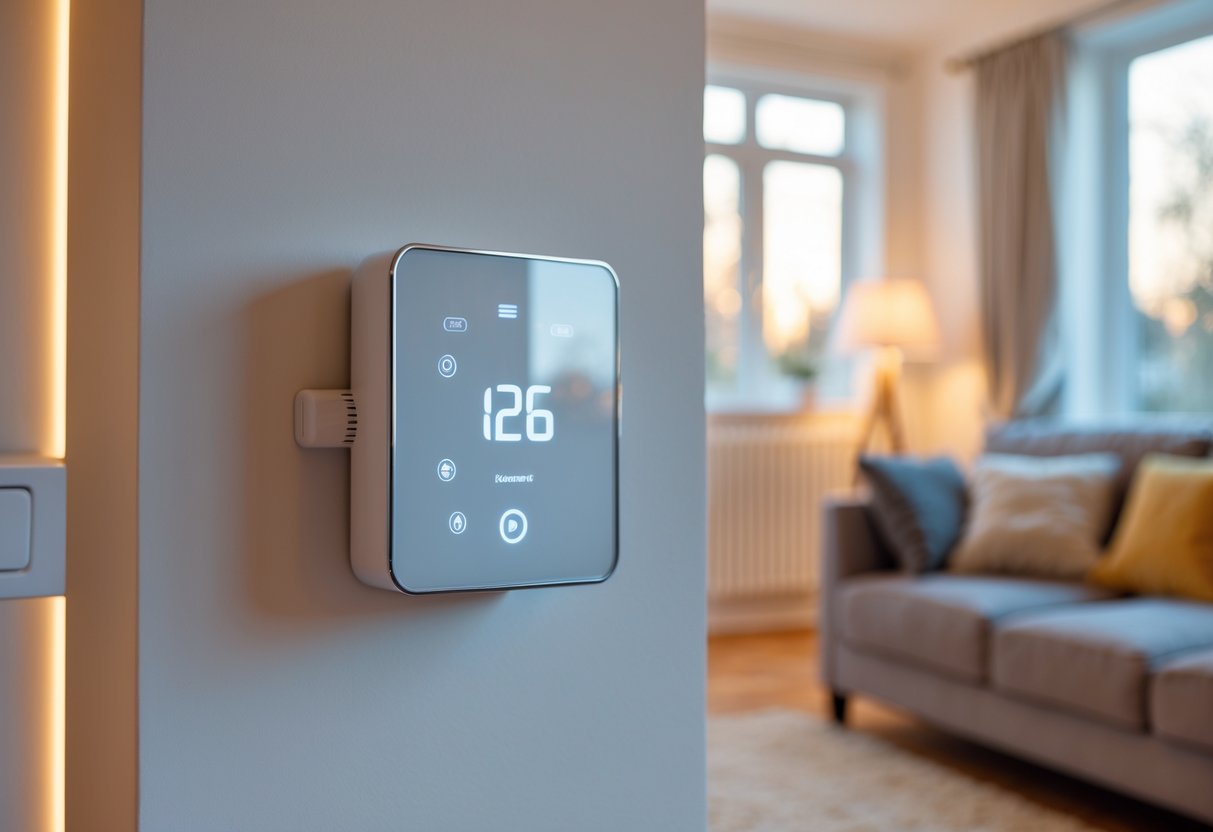
A central heating system creates heat in one place and moves it through the home. It relies on core equipment, control settings, and clear paths that carry warm air or hot water to each room.
Key Components: Furnace, Boiler, and Radiators
Most central heating systems use either a furnace or a boiler to make heat. A furnace heats air, while a boiler heats water. Both connect to other parts that deliver warmth where we need it.
- Furnace: Burns fuel or uses electricity to heat air, then pushes it through the home.
- Boiler: Heats water and sends it through pipes.
- Radiators: Release heat into rooms as hot water flows through them.
Radiators work without fans, so they stay quiet. Furnaces often pair with central HVAC setups and ducted heating systems. We choose between these options based on home size, layout, and fuel access.
Role of Thermostat and Smart Controls
The thermostat tells the heating system when to turn on and off. We set a target temperature, and the system works to reach and hold that level. This keeps indoor temperatures steady.
A programmable thermostat lets us set different temperatures by time or day. For example, we can lower heat at night or during work hours. This reduces energy use without losing comfort.
Smart controls go further. They connect to Wi‑Fi and adjust settings based on schedules or phone input. Some track usage and help us spot waste. These tools improve control without changing the central heating system itself.
Distribution Methods: Ductwork and Piping
Once the system creates heat, it must move it through the house. Central heating uses either ductwork or piping to do this job.
Ductwork carries warm air from a furnace to vents in each room. Fans push air through metal or flexible ducts. This method works fast and fits well with central HVAC systems.
Piping moves hot water from a boiler to radiators or baseboards. The water cools as it releases heat, then returns to the boiler. This method delivers even warmth and avoids drafts.
Both methods depend on proper sizing and sealing to work well.
Major Advantages of Central Heating

Central heating systems improve daily living by keeping rooms warm, air cleaner, and noise low. We see clear benefits in comfort, health, and ease of use across the whole home.
Even Heat Distribution and Home Comfort
Central heating delivers even heat distribution to every room. We avoid cold spots and drafts that often come with space heaters. Warm air moves through ducts or pipes in a steady way, so each area stays at a similar temperature.
This balance supports real home comfort. We do not need to move heaters or adjust settings room by room. A single thermostat controls the system, which saves time and reduces guesswork.
Even heat also protects the home. Floors, walls, and furniture stay closer to the same temperature. This reduces stress from quick temperature changes. As heating solutions go, central heating offers a stable and efficient heating option for daily use.
Consistent Indoor Air Quality Benefits
Central heating can help improve indoor air quality when paired with proper air filtration. We filter dust, pollen, and other particles as air moves through the system. This supports cleaner air in every room.
Many systems allow regular filter changes. This makes upkeep simple and effective. Clean filters help reduce buildup that can trigger allergies or breathing issues.
Key air quality features include:
- Air filtration that captures common particles
- Steady airflow that reduces stale air
- Controlled humidity when used with add-ons
These benefits of central heating support healthier indoor spaces without adding extra devices or noise.
Quiet and Discreet Operation
Central heating systems run quietly compared to many other heating options. We place most equipment out of sight, such as in a basement or utility room. This keeps living areas calm and free from clutter.
Heat reaches rooms through vents or radiators with little sound. We avoid loud fans or clicking units that interrupt sleep or work. This matters in bedrooms, offices, and shared spaces.
The system design stays discreet. We do not need visible heaters in each room. This keeps floors clear and rooms easier to arrange. Quiet operation adds comfort without drawing attention to the heating system itself.
Energy Efficiency and Environmental Impact
Central heating improves comfort while lowering energy waste and emissions. We gain greater energy efficiency through modern equipment, precise controls, and renewable options that reduce fuel use.
Reduced Energy Consumption and Costs
Central heating delivers heat evenly, which cuts hot and cold spots. We use less fuel because the system runs at steady levels instead of cycling often. Proper insulation around ducts and pipes further reduces energy waste.
High-efficiency furnaces and boilers post strong AFUE ratings, which show how much fuel becomes usable heat. A higher rating means less fuel loss. Many homes see lower monthly bills after upgrading to energy‑efficient heating.
| AFUE Rating | What It Means |
|---|---|
| 80% | 80% heat, 20% loss |
| 90–95% | High efficiency |
| 96%+ | Very high efficiency |
Regular maintenance keeps efficiency high. Clean filters and sealed ducts protect performance and reduce strain on the system.
Smart Thermostats and Programmable Controls
Programmable thermostats help us match heating to daily routines. We set lower temperatures when we sleep or leave home, which cuts fuel use without hurting comfort.
A smart thermostat adds sensors, schedules, and learning features. Many models adjust heat based on occupancy and outdoor weather. Some provide energy reports that show where savings come from.
We control smart thermostats from a phone, which helps prevent wasted heat. Small changes add up when the system runs fewer hours each day. These controls work well with zoned systems, letting us heat only the rooms in use.
Clear schedules and simple settings make these tools easy to manage for most households.
Geothermal and Renewable Heating Options
Geothermal heating systems use stable ground temperatures to heat homes. Heat pumps move heat instead of creating it, which raises energy efficiency. This approach uses electricity efficiently and reduces fossil fuel use.
Geothermal heating needs proper site planning and insulation to perform well. While install costs can be higher, operating costs often stay low and steady over time.
Other renewable options can pair with central systems, such as solar-assisted heat pumps. These systems lower emissions and support long-term efficiency goals without changing daily comfort.
We choose these options based on climate, soil, and budget to ensure reliable performance.
Property Value and Market Appeal
Central heating affects how buyers judge comfort, costs, and long-term value. It also shapes how fast a home sells and how strong offers can be.
Added Resale Value
We see higher resale value when a home includes reliable central heating. Buyers often compare homes by comfort features, and whole-home heating ranks high. A new central heating system signals lower repair risk and fewer upgrades after purchase.
Homes with central heating often show clearer price advantages:
- Stronger listing prices due to year-round comfort
- Fewer buyer credits requested for heating fixes
- Better inspection results tied to modern systems
Appraisers may note updated home heating as a value support. It shows consistent temperature control and better energy use. These details matter during price reviews and negotiations. We also see fewer delays when heating systems meet current standards.
Homebuyer Preferences for Modern Systems
We know buyers prefer modern central heating over space heaters or older setups. They want simple controls, even heat, and predictable energy bills. A modern system supports these needs.
Buyer feedback often highlights:
- Central controls instead of room-by-room heaters
- Cleaner indoor air from sealed systems
- Lower noise compared to older equipment
Many buyers ask about system age, fuel type, and maintenance history. A new central heating system answers those questions early. It reduces doubt and shortens decision time. When buyers feel confident about home heating, they move faster and negotiate less.
Installation and Maintenance Considerations
Central heating works best when we install it correctly and care for it on a set schedule. Smart choices during heating installation and steady upkeep protect comfort, safety, and long-term costs.
Professional Installation vs. DIY
We recommend professional heating installation for most homes. Licensed installers size the system, place equipment, and set controls to match the space. They handle boilers, furnaces, and ducted heating with the right permits and safety checks.
DIY work may look cheaper, but mistakes raise energy use and repair costs. Poor duct sealing, wrong boiler sizing, or bad venting can cause uneven heat or safety risks.
| Task | Pro Install | DIY |
|---|---|---|
| System sizing | Accurate load calc | Often guessed |
| Safety checks | Included | Easy to miss |
| Warranty | Protected | Often voided |
We see fewer breakdowns when trained crews install the system.
Routine Servicing and Longevity
Regular heating system servicing keeps parts clean and tuned. We suggest a yearly visit before cold weather. Technicians inspect burners, heat exchangers, pumps, and controls. They also test airflow in ducted heating and check flues.
Servicing improves efficiency and lowers fuel use. It also extends the life of boilers and furnaces by catching wear early. Simple records help us track issues over time and plan repairs.
We notice fewer winter failures when filters stay clean and settings stay correct. Skipping service often leads to noisy runs, uneven rooms, and higher bills.
Common Maintenance Tasks and Troubleshooting
We can handle basic tasks at home between service visits. These steps keep heat steady and reduce calls.
Routine tasks we can do:
- Replace or clean air filters every 1–3 months.
- Bleeding radiators to remove trapped air.
- Check thermostat batteries and settings.
- Keep vents and returns clear of dust.
When problems appear, we start with simple checks. Cold spots often point to air in radiators or blocked ducts. Short cycling can mean a dirty filter or sensor issue. We call a pro if we smell gas, see error codes, or hear loud banging from boilers or furnaces.