Cold rooms, high bills, and strange noises often point to a bigger problem. We see these issues when a system struggles to keep up with daily demand.
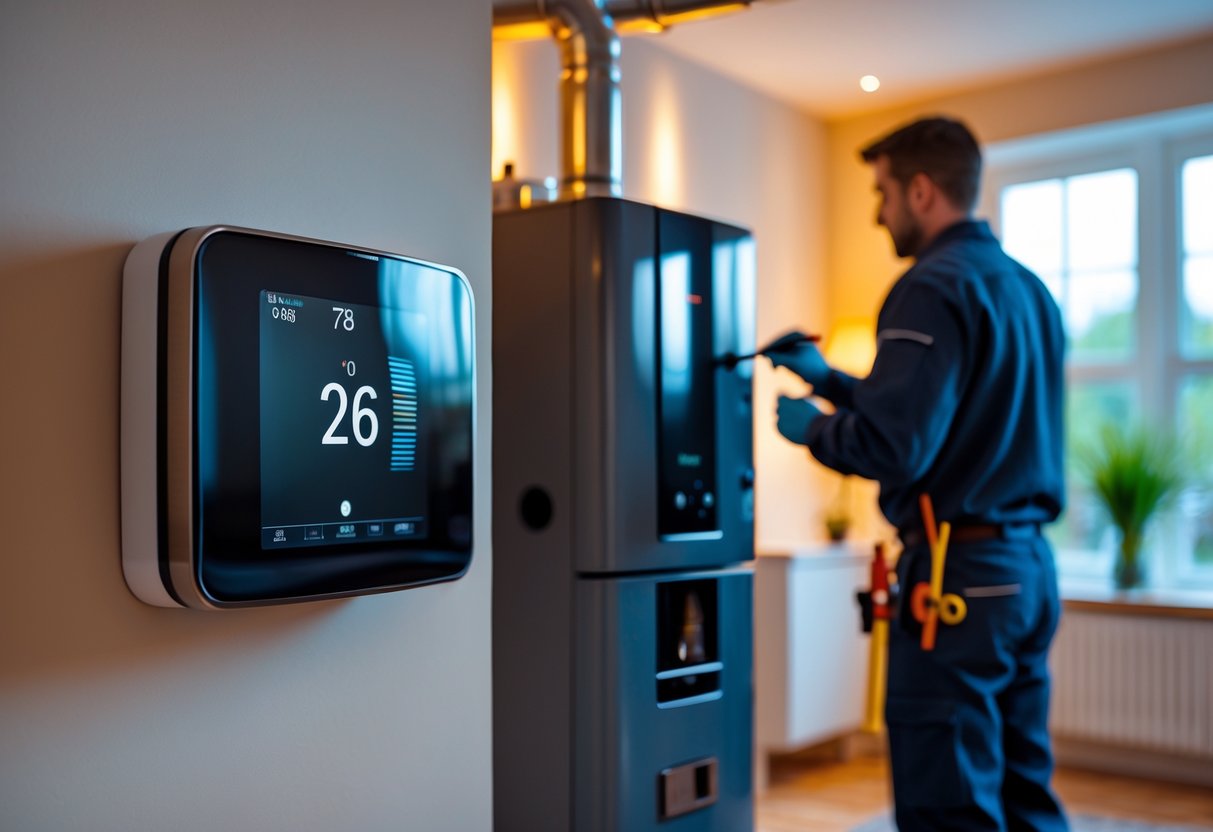
You need to upgrade your central heating system when you face rising energy costs, uneven heat, frequent repairs, airflow problems, safety concerns, or outdated features. We help you spot these warning signs early so you can avoid stress and surprise costs.
We also look at system age, duct condition, and new efficiency options that change how your home feels and what you pay. Stay with us to learn how these factors work together and what they mean for your comfort and safety.
Key Warning Signs Your Central Heating System Needs an Upgrade
We often see clear signals when a central heating system can no longer meet daily needs. These signs affect comfort, costs, and safety, and they point to limits in the heating and cooling system.
Rising Energy Bills
Rising energy bills often show poor equipment operation. When parts wear out, the system uses more fuel or power to produce the same heat. We may notice higher bills even though our thermostat habits stay the same.
Older systems lose efficiency over time. Heat escapes through worn components, and the unit runs longer to keep up. This strain raises costs month after month.
Common causes we see include:
- Dirty or clogged air filter
- Outdated burners or heat exchangers
- Controls that no longer regulate output well
If energy use keeps climbing, an HVAC technician may confirm that an upgrade costs less than ongoing waste.
Frequent or Costly Repairs
Frequent repairs signal that the system nears the end of its service life. We may call an HVAC technician several times each year for different issues. These visits add up fast.
Small fixes can turn into major expenses. When key parts fail, labor and parts may cost more than the unit is worth. Downtime also leaves us without steady heat.
Watch for patterns like:
- Repeat failures of the same part
- Breakdowns during cold weather
- Long waits for replacement parts
At this stage, replacing the system often makes more sense than patching it again.
Uneven or Inconsistent Temperatures
Uneven heating makes some rooms feel warm while others stay cold. We may adjust the thermostat often, yet comfort never feels right. This problem points to inconsistent temperature control.
Duct leaks, aging blowers, or failing sensors can cause inconsistent heating. The system may heat one zone well but struggle elsewhere. This imbalance wastes energy and reduces comfort.
Signs we notice include:
- Cold spots in bedrooms or hallways
- Large temperature swings during the day
- Rooms that never reach the set temperature
An upgrade can restore even airflow and stable heat across the home.
Strange Noises or Odors
Strange sounds or smells should never feel normal. We may hear banging, rattling, or grinding during operation. These noises suggest loose parts or internal damage.
Odors also matter. A burning smell can mean dust buildup, while a musty smell may point to moisture issues. Gas or oil smells need fast attention for safety.
Key warning signs include:
- Loud startup or shutdown noises
- Persistent metallic or buzzing sounds
- Odors that last beyond a short startup period
When these issues repeat, replacing the system can reduce risk and improve reliability.
System Age and Lifespan Considerations
System age plays a direct role in comfort, safety, and energy use. Knowing how long different HVAC systems last and what problems come with age helps us decide when an upgrade makes sense.
Expected Lifespan for Different Types of Heating Systems
Each type of heating system has a typical service life. Regular care can help, but age still limits performance and efficiency.
| Type of Heating System | Average Lifespan |
|---|---|
| Gas furnace | 15-20 years |
| Oil furnace | 15-25 years |
| Boiler | 20-30 years |
| Heat pumps | 10-15 years |
| Electric furnace | 20-30 years |
Heat pumps often wear out faster because they run year-round for heating and cooling. Older HVAC systems also lack modern controls and efficiency standards.
If our system sits near or past its expected lifespan, repairs become more frequent. Parts may cost more or become harder to find. At that point, replacement often makes more sense than continued fixes.
Risks Associated With Older Equipment
Older heating systems bring higher risks that affect comfort and safety. Wear and tear reduces output, so rooms heat unevenly or take longer to warm.
Energy use often rises as parts lose efficiency. We may see higher utility bills without any change in use. Older systems also struggle to meet current efficiency rules.
Safety risks increase with age. Cracks in heat exchangers, fuel leaks, or failing controls can create serious hazards. These issues appear more often in aging gas and oil systems.
Breakdowns also happen at the worst times, often during cold weather. When an old system fails, repairs may not last. Upgrading helps reduce downtime and improves long-term reliability.
Ductwork and Airflow Problems
Poor airflow often points to problems hidden in the duct system. Leaks and poor sizing reduce comfort, raise energy use, and strain the heating unit.
Leaky Or Undersized Duct Systems
Leaky ducts let heated air escape into walls, attics, or crawl spaces. We often see this waste raise heating bills while rooms stay cool. Even small gaps can lose a large share of warm air before it reaches vents.
An undersized duct system also restricts airflow. When ducts are too small, air cannot move fast enough to heat the home evenly. The furnace runs longer, which increases wear and shortens its life.
Common causes we find include:
- Loose or failed duct seals
- Crushed or bent duct runs
- Ducts sized for an older, smaller system
When these issues stack up, upgrading the heating system alone may not fix comfort problems.
Signs of Leaky Ductwork
Leaky ductwork shows clear, repeatable signs during daily use. We pay close attention to airflow and temperature changes from room to room.
Watch for these signs:
| Sign | What It Means |
|---|---|
| Weak airflow at vents | Air escapes before reaching rooms |
| Hot or cold spots | Air does not distribute evenly |
| Dust near vents | Gaps pull in debris from walls |
| High heating bills | Lost air forces longer run times |
We also listen for whistling or rattling sounds in the ducts. These noises often point to air escaping through gaps or loose joints.
Operational and Safety Concerns
Safety problems often appear before a full system failure. We watch for carbon monoxide risks and air quality issues because they affect health, comfort, and daily use of the home.
Carbon Monoxide Leaks and Cracked Heat Exchangers
Carbon monoxide leaks pose a serious risk because the gas has no smell. Older systems and worn parts raise the chance of a cracked heat exchanger, which lets exhaust mix with indoor air. We treat this as a clear sign to upgrade.
Common warning signs include frequent pilot outages and a yellow burner flame. We also see soot near vents or rust on the furnace body. These issues often repeat even after repairs.
| Warning sign | What it may mean |
|---|---|
| CO detector alarms | Possible carbon monoxide leaks |
| Rust or cracks | Cracked heat exchanger |
| Headaches or nausea | Poor combustion or venting |
Replacing the system removes the source of the leak and improves safety.
Poor Indoor Air Quality and Dust Accumulation
A failing heating system can worsen poor indoor air quality. We often see more dust when ducts leak or the blower no longer filters air well. This problem affects comfort and breathing.
Signs include dusty surfaces soon after cleaning and uneven airflow. Filters clog faster, and rooms may smell stale. These issues point to worn components or poor sealing.
Common causes we find:
- Leaky ductwork pulling in dust
- Weak blower motors
- Old filters that no longer fit well
Upgrading the system improves filtration and airflow. Cleaner air reduces dust buildup and supports healthier daily living.
Technology and Efficiency Upgrades
Modern systems use better controls and higher efficiency standards. Older equipment often lacks these features, which raises costs and limits comfort.
Low SEER Ratings and Obsolete Refrigerants
A low SEER rating signals poor efficiency. Many older systems rate below 13, which means they use more electricity to deliver the same heat.
| SEER Range | What It Means |
|---|---|
| Below 13 | High energy use |
| 13-15 | Basic efficiency |
| 16+ | Improved efficiency |
Older units may also rely on R-22 refrigerant. This refrigerant is no longer made, so repairs cost more and parts are harder to find.
When we run a system with low SEER and R-22, energy use stays high. Repair visits increase. Replacement parts drive up costs. New systems avoid these issues and help us reach lower energy bills with steady performance.
Benefits of Smart Thermostats
Smart thermostats give us better control over heating schedules. We can set temperatures by time of day and day of week.
These devices learn patterns and adjust settings automatically. They reduce heating when no one is home and restore comfort before we return.
Many models show energy reports. These reports help us spot waste and make simple changes.
Smart thermostats also work with modern heating systems to boost efficiency. Together, they reduce short cycling and keep temperatures steady. Over time, these features support lower energy bills without changing daily habits.