Choosing a central heating system shapes how warm, comfortable, and affordable your home feels every day. We help you cut through the noise so you can make a smart choice with confidence.
You choose the right central heating system by matching your home size, local climate, fuel options, comfort needs, and budget with an efficient system that fits how you live. We focus on clear facts so you can see what works best for your space.
We walk through how different systems work, how they compare, and what affects long-term costs. We also cover efficiency, air quality, and what to expect during selection and installation, so you can move forward with a clear plan.
Understanding Central Heating Systems
Central heating warms the whole home from one main source and sends heat to each room. HVAC systems often combine heating with air flow and controls to keep indoor temperatures steady and safe.
What Is a Central Heating System?
Central heating uses one main unit to produce heat and distribute it through the home. We usually send heat through ducts, pipes, or radiators. This setup differs from space heaters, which warm only one area at a time.
Most home heating systems include a heat source, a delivery network, and controls. The heat source may burn fuel or use electricity. The delivery network moves warm air or hot water. Controls like thermostats set and maintain the target temperature.
In many homes, central heating is part of an HVAC system. When people ask what is an HVAC system, we explain that it manages heating, ventilation, and air conditioning in one connected setup.
Types of Central Heating Systems
We see several types of central heating, each with clear strengths and limits. The right choice depends on fuel access, home size, and climate.
| System Type | How It Heats | Common Fuels |
|---|---|---|
| Furnace | Heats air and blows it through ducts | Gas, oil, electric |
| Boiler | Heats water for radiators or floors | Gas, oil, electric |
| Heat Pump | Moves heat instead of making it | Electric |
| Radiant | Warms floors or panels | Electric, hot water |
Among types of HVAC systems, furnaces and heat pumps are common. Boilers suit homes with radiators. Radiant systems offer even warmth but cost more to install.
How HVAC Systems Work
HVAC systems move heat using a set path. We start with the heat source, which creates warmth. Next, the system sends that heat through ducts or pipes to living spaces.
A thermostat tells the system when to turn on and off. Sensors track indoor temperature and keep it near the set point. Fans or pumps push warm air or water where it needs to go.
Many HVAC systems also handle air flow. They bring in fresh air and filter dust. This design supports comfort and basic indoor air quality while delivering steady central heating.
Comparing Central Heating Options
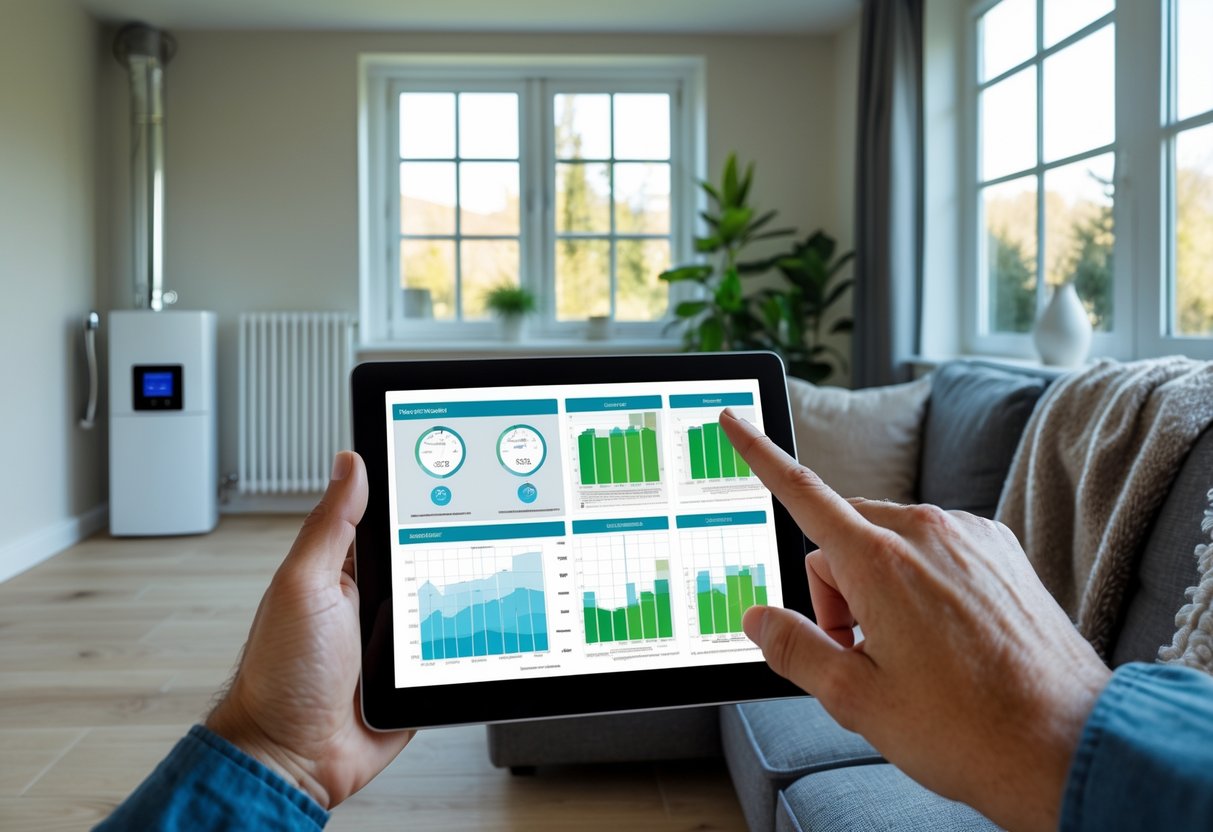
We compare common central heating systems by how they heat, what they cost to run, and how they fit different homes. Fuel type, existing ducts or pipes, and cooling needs often guide the best choice.
Forced Air and Furnace Systems
Forced air heating uses a furnace to warm air and push it through ducts. Common fuels include gas, oil, and electricity, with electric furnaces and oil furnaces used where gas is limited. Many homes already have ducts, which lowers install cost.
This system pairs well with central air conditioning, since the same ducts handle cooling systems. Air filters improve indoor air quality, but ducts need sealing to avoid heat loss.
Key points
- Works with central air
- Fast heat delivery
- Needs ductwork
- Options include packaged systems
Boilers and Hydronic Heating
Boilers heat water and move it through pipes for hydronic heating. Heat reaches rooms through radiant heating systems, baseboard heating, or in-floor radiant heating. Radiant floor heating spreads steady warmth without blowing air.
These systems feel even and quiet. They cost more to install but last long and use energy well. Homes without ducts often choose this path.
Common emitters
- Baseboard heaters
- Radiant floor heating
- Radiators
Heat Pumps and Hybrid Systems
A heat pump moves heat instead of making it. Air-source heat pumps handle heating and cooling in one unit. In mild climates, heat pump systems cut energy use and support electric heating goals.
Cold regions often add back up heating in hybrid heating systems. A hybrid system pairs a heat pump with a furnace or boiler to switch fuels as needed.
What to know
- Provides heating and cooling
- Works best with good insulation
- Hybrid setups boost cold-weather reliability
Ductless Mini-Split Systems
Ductless mini-split and other split systems use small indoor units and an outdoor compressor. A ductless system avoids ducts, which helps older homes and additions. Mini-split systems allow room-by-room control.
These systems run as heat pumps and handle cooling too. Install costs vary by zone count, but energy use stays low. They do not replace a wood stove, pellet stove, or wood-burning stove, but they can reduce their use.
| Feature | Mini-Split |
|---|---|
| Ducts | None |
| Zoning | Yes |
| Cooling | Yes |
| Install | Flexible |
Key Factors in Choosing the Right System
We choose a heating system by matching capacity, climate needs, and existing home features. Accurate sizing, regional weather, airflow paths, and controls shape comfort, cost, and long-term performance.
Home Size and Load Calculation
We start with a load calculation to size the system correctly. A professional often uses Manual J to measure heat loss and gain by room. This method accounts for square footage, ceiling height, window size, and insulation levels.
Heating capacity appears in BTU. Too few BTUs cause cold rooms and long run times. Too many BTUs waste energy and cycle on and off.
Key inputs we review include:
- Wall, attic, and floor insulation
- Window type and air leakage
- Number of occupants and appliances
Accurate sizing protects comfort and reduces wear on the system.
Climate and Regional Considerations
We match the system to local climate zones. Cold regions need higher heating capacity and strong cold-weather performance. Milder areas may do well with lower output systems that run efficiently at partial load.
We also consider fuel availability and rates. Natural gas, electricity, oil, and propane vary by region. Weather patterns matter too. Long winters favor systems that deliver steady heat.
Regional factors we check:
- Average winter lows
- Heating degree days
- Local energy prices
These details guide the best balance of comfort and operating cost.
Ductwork and Infrastructure
We inspect existing ductwork before choosing a system. Leaky or undersized ducts reduce airflow and waste energy. Poor layout can cause hot and cold spots.
We look for:
- Sealed joints and proper insulation
- Adequate return air paths
- Correct duct size for the system
Homes without ducts may need alternatives, or new ducts may raise costs. We also assess electrical service, venting, and space for equipment. Some homes benefit from zoned heating, which uses dampers or separate zones to control temperatures by area.
Thermostat Compatibility and Controls
Controls affect comfort and savings. We check thermostat compatibility with the chosen system. Not all thermostats work with every furnace or heat pump.
Basic thermostats offer simple scheduling. A smart thermostat adds learning features, remote access, and energy reports. Some smart thermostats support zoning and humidity control.
We confirm support for:
- Multi-stage heating
- Zoned heating systems
- Wi‑Fi and app control
Proper pairing ensures accurate temperature control and avoids system errors.
Evaluating Efficiency and Operational Costs
We need to weigh energy efficiency against real-world costs. Ratings show how much energy a system uses, while prices and upkeep shape long-term value and comfort.
Energy Efficiency Ratings Explained
Energy efficiency ratings help us compare systems using clear numbers. For furnaces and boilers, AFUE (Annual Fuel Utilization Efficiency) shows how much fuel becomes heat. An AFUE rating of 95% means 95% of fuel heats the home.
Heat pumps and cooling systems use other measures. SEER and SEER2 track cooling efficiency, with higher numbers using less power. HSPF and HSPF rating measure heating performance for heat pumps. EER shows efficiency at peak demand.
| Rating | Used For | What Higher Means |
|---|---|---|
| AFUE | Furnaces, boilers | Less fuel waste |
| SEER / SEER2 | Cooling | Lower electric use |
| HSPF | Heat pumps (heating) | Better winter efficiency |
| EER | Peak cooling | Stable hot-day performance |
Energy-efficient heating lowers heating bills over time.
Operating and Installation Costs
Installation costs vary by system type and home size. HVAC installation cost often rises with high-efficiency units, duct changes, or electrical upgrades. Gas lines, venting, and permits also add to installation costs.
Operating costs matter just as much. A cheaper unit can cost more each month if it wastes energy. High-efficiency systems cut operating costs through lower fuel or power use.
We should compare costs over time, not just the price tag.
- Upfront: equipment, labor, permits
- Monthly: fuel or electricity use
- Long-term: repairs and part replacements
Local fuel prices strongly affect heating bills.
Maintenance and Lifespan
Regular maintenance keeps systems efficient and safe. Annual service helps maintain energy efficiency and prevents early breakdowns. Simple tasks, like filter changes, protect airflow and reduce strain.
Lifespan differs by system.
- Furnaces: 15-20 years
- Boilers: 20-30 years
- Heat pumps: 12-15 years
Poor maintenance shortens lifespan and raises operating costs. We should check warranty terms and service needs before buying. A system with easy access and common parts lowers repair time and cost.
Enhancing Home Comfort and Air Quality
A good heating system shapes how our home feels and how clean the air stays. The right choices improve daily comfort, protect health, and support steady performance across seasons.
Temperature Control and Home Comfort
We rely on steady heat to keep home comfort consistent from room to room. Systems with zoning let us set different temperatures for living spaces, bedrooms, and basements. This control reduces hot and cold spots and avoids wasted energy.
Modern thermostats also matter. Programmable and smart thermostats adjust heat based on schedules and occupancy. They keep temperatures stable without constant manual changes.
Key features that improve comfort include:
- Even heat distribution through balanced ductwork
- Quiet operation during cycling
- Fast response to temperature changes
When paired with central air, a matched system keeps indoor temperatures stable year-round.
Indoor Air Quality and Filtration
Indoor air quality affects breathing, sleep, and focus. Heating systems move air through the home, so filtration plays a direct role in iaq. We should look at filter type and fit, not just system size.
High-quality filters capture dust, pollen, and pet dander. They also help protect system parts from buildup. We must replace filters on schedule to keep airflow steady.
Common filter options include:
| Filter Type | What It Captures | Maintenance |
|---|---|---|
| Fiberglass | Large dust only | Monthly |
| Pleated | Dust, pollen | 1-3 months |
| Media | Fine particles | 6-12 months |
Sealed ducts also prevent leaks that pull in dirty air from attics or basements.
Humidity and Ventilation Solutions
Balanced humidity supports comfort and health. Dry air can irritate skin and sinuses, while damp air can promote mold. We often add humidifiers to central heating systems to control moisture during winter.
Whole-home humidifiers work with the furnace to spread moisture evenly. They avoid the uneven results of portable units. We should aim for indoor humidity between 30% and 50%.
Ventilation also matters. Fresh air systems remove stale air and bring in clean outdoor air. When combined with central air and heating, they support stable humidity and better indoor air quality without large temperature swings.
Selecting and Installing Your Central Heating System
We focus on four practical steps that affect comfort, cost, and reliability. These steps cover who installs the system, how we size it, when to replace or upgrade, and how to get the home ready.
Working With an HVAC Contractor
We should choose an HVAC contractor with clear licensing, insurance, and local experience. A good contractor inspects the home in person and asks about comfort issues, energy bills, and future plans. We avoid bids that skip measurements or push one brand as the best HVAC system for every home.
We ask for written estimates that list labor, equipment, permits, and warranties. Clear terms reduce surprises. We also confirm service support after install.
What to check before hiring:
- State license and insurance
- Load calculation, not guesswork
- References from similar homes
- Maintenance plans and response times
System Sizing and Customization
We size the system to the home, not to the old unit. Proper sizing improves comfort and cuts energy waste. An HVAC contractor should run a load calculation that uses square footage, insulation, windows, and climate.
We also customize features to daily use. Zoning helps rooms heat at different times. Smart thermostats improve control and savings. Duct changes may fix hot and cold spots.
Key sizing factors:
- Home size and layout
- Insulation and air leaks
- Window type and exposure
- Local weather data
Right sizing helps us choose the right heating system and avoid short cycling.
Replacing vs. Upgrading
We replace a system when repairs stack up or parts fail often. Age matters too. Most furnaces and boilers last 15-20 years. A new HVAC system often lowers energy use and noise.
We upgrade when the core system works but lacks features. Adding zoning, sealing ducts, or improving controls can boost comfort at lower cost. Fuel changes, like gas to heat pump, may need a full replacement.
Decision guide:
| Situation | Better Choice |
|---|---|
| Frequent breakdowns | Replace |
| High energy bills | Replace |
| Comfort issues only | Upgrade |
| Recent system, no leaks | Upgrade |
Preparing for Installation
We prepare the home to avoid delays. We clear access to the equipment and mark parking space for crews. Pets stay secured, and valuables move away from work areas.
We review the install plan and timeline. Permits and inspections should be scheduled in advance. We also plan for downtime and weather needs.
Before install day:
- Confirm start time and duration
- Clear vents, closets, and attic access
- Review thermostat locations
- Set aside manuals and warranties
Preparation helps the install go smoothly and protects the new system from day one.