Energy bills rise fast when a heating system wastes power. We look at energy efficiency ratings because they show how well a central heating system turns fuel or electricity into usable heat.
Energy efficiency ratings tell us how much heat a system delivers for the energy it uses, and higher ratings mean lower energy use and lower heating costs. These ratings help us compare systems in a clear and fair way.
We break down the main rating numbers, explain how different heating systems affect efficiency, and review common standards and labels. We also cover ways to keep efficiency high and how to compare options so we can choose a system that fits our home and budget.
Understanding Energy Efficiency Ratings for Central Heating Systems
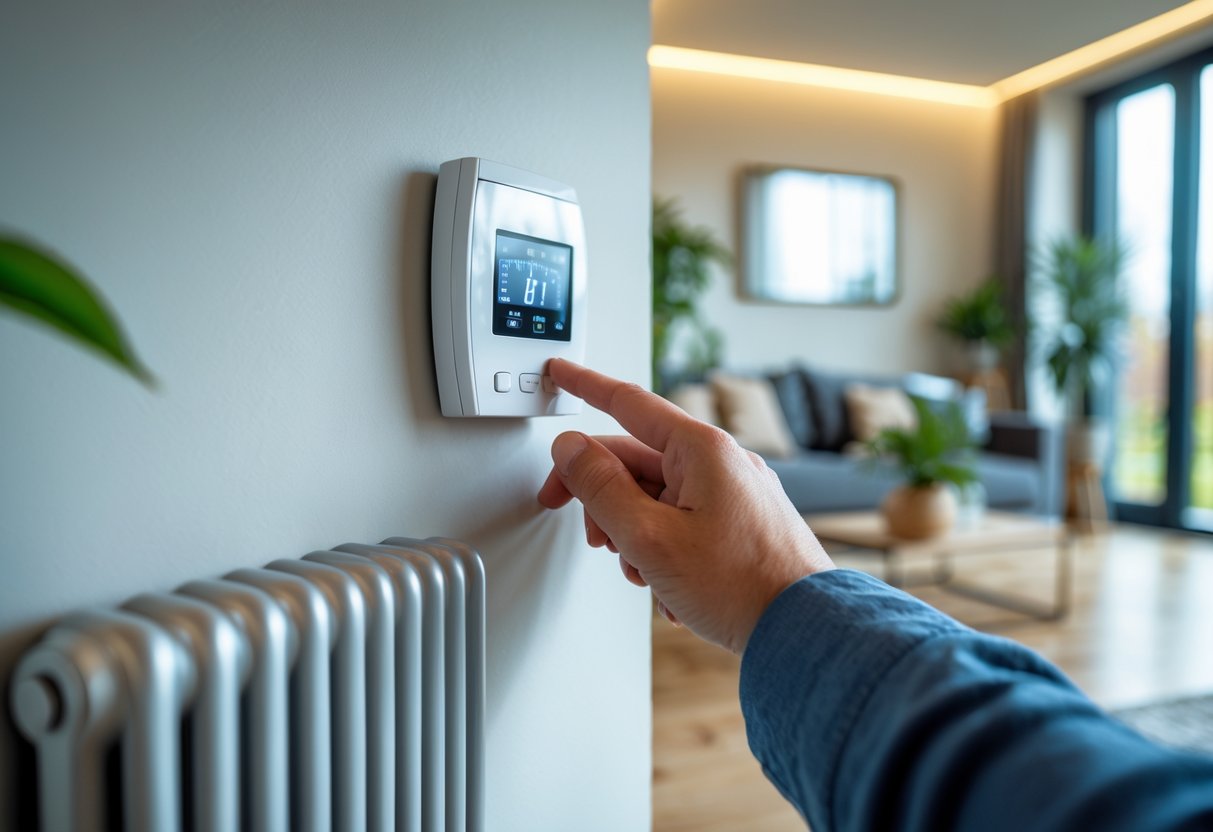
Energy efficiency ratings show how well a heating system turns fuel or electricity into usable heat. These ratings affect energy bills, energy savings, and day-to-day home comfort in clear ways.
What Energy Efficiency Means in Heating
Energy efficiency in heating measures how much energy a system uses to warm a home. A more efficient system wastes less energy during operation. We usually see this as a percentage or a letter grade.
Most central heating systems use ratings like AFUE for boilers and furnaces. An AFUE of 90% means the system turns 90% of fuel into heat.
Higher ratings often come from better design. This includes sealed combustion, improved heat exchangers, and smart controls. These features help keep heat inside the home instead of losing it through vents or pipes.
| Rating Level | What It Shows |
|---|---|
| High | Less energy waste |
| Medium | Average energy use |
| Low | More energy loss |
Why Efficiency Ratings Matter
Efficiency ratings help us compare heating systems before we buy. They give a clear way to judge long-term value, not just upfront price.
A system with a higher rating often costs more at first. Over time, it can lower energy bills and reduce energy use. This matters most in cold regions where heating runs often.
Ratings also affect home comfort. Efficient systems provide steady heat and fewer temperature swings. They often run quieter and cycle less.
Some local codes and rebates require minimum efficiency levels. Knowing the rating helps us meet these rules and qualify for incentives.
Impact of Ratings on Energy Bills
Efficiency ratings have a direct link to energy bills. A higher-rated system uses less fuel or electricity to produce the same heat.
For example, moving from an 80% to a 95% efficient system can cut heating energy use by up to 15%. Actual energy savings depend on home size, climate, and usage habits.
Lower energy use means lower monthly bills. Over a full heating season, the savings can add up.
Efficient systems also reduce strain on equipment. This can lower repair costs and keep performance steady. Better efficiency supports comfort without raising energy bills.
Key Energy Efficiency Metrics and Their Significance
We rely on clear ratings to compare heating and cooling systems. These metrics show how much energy a system turns into useful heat or cooling, measured over time and under set conditions.
AFUE: Annual Fuel Utilization Efficiency
AFUE, or annual fuel utilization efficiency, applies to furnaces and boilers. It shows how much fuel becomes usable heat during a full heating season. A higher AFUE means less fuel waste.
AFUE appears as a percentage. For example, 90% AFUE means the system delivers 90% of the fuel’s energy as heat, while 10% escapes as loss. Most modern gas furnaces range from 80% to 98% AFUE.
This rating helps us estimate heating costs and fuel use. AFUE does not measure electricity use for fans or pumps. It also does not reflect short bursts of extreme cold, only average seasonal use.
AFUE quick facts
- Applies to fuel-burning systems
- Based on seasonal performance
- Expressed as a percentage
SEER and SEER2 Ratings
SEER ratings measure cooling efficiency for air conditioners and heat pumps. SEER stands for Seasonal Energy Efficiency Ratio. It compares total cooling output, in BTU, to total electricity used over a season.
SEER2 updates the test method. It uses more realistic conditions, such as higher external pressure. Because of this change, SEER2 ratings often look lower than older SEER values, even when performance stays similar.
Higher SEER or SEER2 ratings mean lower electricity use for the same cooling output. Many new systems meet minimum SEER2 standards set by region. These ratings help us compare long-term cooling costs, not peak performance.
What SEER and SEER2 tell us
- Seasonal cooling efficiency
- Electricity use over time
- Easier cost comparisons between models
EER and EER2 Ratings
The energy efficiency ratio, or EER rating, measures cooling efficiency at a single, steady condition. It compares cooling output in BTU to power use at a fixed outdoor temperature.
EER2 replaces EER using updated test rules. Like SEER2, it reflects more realistic airflow and pressure. EER2 values usually read lower, but they offer better comparisons across systems.
EER and EER2 matter in hot climates. They show how well a unit performs during peak heat, when demand and power costs rise. We use these ratings to judge steady performance, not seasonal averages.
EER vs. SEER
- EER/EER2: single condition
- SEER/SEER2: full season
- Both use BTU per watt-hour
HSPF2: Heating Seasonal Performance Factor
HSPF2, or heating seasonal performance factor, applies to heat pumps in heating mode. It measures total heat output in BTU divided by electricity used over the heating season.
HSPF2 replaces the older HSPF with updated testing. It reflects colder weather performance and higher system resistance. As with other “2” ratings, values often appear lower but stay more accurate.
A higher HSPF2 means better heating efficiency and lower electric bills. This rating matters most in mild to moderate climates where heat pumps handle most heating needs. It does not apply to gas or oil furnaces.
HSPF2 essentials
- Heat pump heating efficiency
- Seasonal measurement
- Based on BTU per watt-hour
Types of Central Heating Systems and Their Efficiency Factors
We compare how different central heating and cooling systems use energy. Efficiency depends on equipment design, fuel type, climate, and how well the system matches the building.
High-Efficiency Furnaces
A high-efficiency furnace uses sealed combustion and advanced heat exchangers to reduce fuel waste. These units often reach AFUE ratings of 90% or higher, meaning most fuel becomes usable heat. We see strong gains when homes use proper venting and tight ductwork.
Key factors affect performance:
- Fuel type: Natural gas units often cost less to run than oil.
- Blower motors: Variable-speed motors use less electricity.
- Controls: Smart thermostats reduce run time.
Installation quality matters. Poor duct sealing or wrong sizing can erase expected savings. Regular filter changes keep airflow steady and efficiency high.
Heat Pump Systems
A heat pump system moves heat instead of making it, which cuts energy use in mild climates. Modern heat pump equipment can heat and cool with one unit. We measure efficiency using HSPF for heating and SEER for cooling.
Cold-climate models perform better at low temperatures. They use inverter-driven compressors to adjust output. This reduces starts and stops, which saves energy.
Important efficiency factors include:
- Climate: Performance drops in extreme cold without backup heat.
- Insulation: Better insulation lowers demand.
- Sizing: Right-sized systems avoid short cycling.
Heat pumps work best with sealed ducts and balanced airflow.
Central Air Conditioners
A central air conditioner cools the whole home through ducts. Efficiency depends on SEER2 ratings, with higher numbers using less electricity. We often see savings when upgrading from older units below SEER 10.
Key influences on efficiency:
- Coil condition: Clean coils transfer heat better.
- Refrigerant charge: Correct levels prevent energy loss.
- Duct leakage: Leaks waste cooled air.
Central air conditioners pair well with high-efficiency furnaces in mixed climates. Proper shading and airflow around the outdoor unit also improve performance.
Typical SEER2 Ranges
| Unit Type | SEER2 Range |
|---|---|
| Standard | 13-14 |
| High-Efficiency | 15-20+ |
Split Systems versus Package Units
Split systems place components indoors and outdoors, while package units house all parts in one cabinet. We see higher efficiency options more often in split systems due to larger coils and flexible layouts.
Efficiency differences come from:
- Airflow path: Shorter ducts in package units can reduce losses.
- Maintenance access: Split systems allow easier service.
- Installation location: Rooftop package units face heat and weather.
Package units fit small spaces and simplify installation. Split systems offer more choices for pairing with heat pumps or furnaces, which can raise efficiency when matched correctly.
ENERGY STAR Certification and Regulatory Standards
Energy STAR labels and federal rules shape how we measure heating system efficiency. These standards affect system design, installation choices, and long-term energy costs. We rely on them to compare products using clear, tested benchmarks.
ENERGY STAR Requirements for HVAC Systems
Energy STAR certification sets strict efficiency targets for central heating systems. Manufacturers must meet or exceed these targets to earn an Energy STAR rating. Independent labs test systems using standard methods to confirm performance.
Key metrics include AFUE for furnaces and HSPF2 for heat pumps. Higher numbers mean better efficiency and lower fuel use. Energy STAR also requires quality installation guidelines to protect real-world performance.
Common ENERGY STAR minimums (varies by system type):
| System Type | Key Rating | Typical ENERGY STAR Level |
|---|---|---|
| Gas Furnace | AFUE | 95% or higher |
| Heat Pump | HSPF2 | 7.5 or higher |
| Boiler | AFUE | 90% or higher |
We use the Energy STAR label to spot systems that cut energy use without sacrificing comfort.
Role of the U.S. Department of Energy
The U.S. Department of Energy sets the legal minimum efficiency standards for central heating systems. These rules apply nationwide and affect all new equipment sold in the U.S.
DOE standards define how systems get tested and rated. They also update rating methods, such as the shift from HSPF to HSPF2, to better reflect real use. Manufacturers must comply before selling equipment.
Energy STAR builds on DOE rules. While DOE sets the floor, Energy STAR raises the bar. We often see Energy STAR certification used to qualify for utility rebates and tax credits tied to federal policy.
Recent and Upcoming Regulatory Changes
Recent DOE updates raised minimum efficiency levels for many systems. New furnaces and heat pumps now need higher ratings than older models. These changes took effect in phases to give manufacturers time to adjust.
We also see tighter regional rules for gas furnaces in colder states. These rules aim to reduce fuel use during peak heating months. Testing methods now account for standby power and part-load operation.
Upcoming changes may expand cold-climate heat pump standards. Energy STAR plans to update criteria to match these shifts. We should expect clearer labels and fewer low-efficiency options on the market.
Enhancing and Maintaining Energy Efficiency
We can raise HVAC energy efficiency by controlling heat output, limiting air loss, and matching equipment to the home. These steps reduce waste, improve comfort, and support steady humidity control.
Programmable and Smart Thermostats
We use a programmable thermostat to set heating schedules that match daily routines. Lowering the set point at night and during work hours cuts energy use without affecting comfort. Simple schedules work well in homes with consistent habits.
A smart thermostat adds sensors and learning features. It adjusts heat based on occupancy, weather, and past use. Many models show energy reports, which helps us spot waste and make changes. Remote control lets us adjust settings when plans change.
Key settings to use
- Night and away setbacks of 7-10°F
- Gradual morning warm-up
- Fan settings that avoid constant run time
These steps reduce run time while keeping indoor humidity steady.
Ductwork and Duct Sealing
Ductwork moves heated air through the home. Leaks, gaps, and poor connections waste energy and lower comfort. We focus on duct sealing at joints, boots, and seams, especially in attics and crawl spaces.
Sealed ducts deliver more heat to living spaces and reduce drafts. They also help with humidity control by keeping air balanced. Insulation around ducts in unheated areas prevents heat loss.
Common problem areas
- Loose joints at the air handler
- Gaps near vents and registers
- Crushed or disconnected sections
Mastic and metal tape last longer than cloth tape. After sealing, airflow improves and systems cycle less often.
Proper System Sizing and Installation
Correct sizing matters as much as efficiency ratings. An oversized system heats too fast and shuts off often. This short cycling wastes energy and harms humidity control. An undersized system runs too long and struggles in cold weather.
We rely on load calculations, not rule-of-thumb sizing. Proper installation includes correct airflow, safe venting, and accurate thermostat placement. These details protect efficiency from day one.
Installation checks that matter
- Verified load calculation
- Balanced airflow to each room
- Clean combustion and exhaust paths
When sizing and installation align, systems run steadily and deliver reliable comfort.
Choosing and Comparing Central Heating Systems for Maximum Efficiency
We focus on how to compare efficiency ratings, balance upfront cost with long-term savings, and select a system that fits our home and climate. These points help us lower energy bills while keeping comfort steady.
Comparing Efficiency Ratings
We start by checking energy efficiency ratings that match the system type. For furnaces and boilers, we look at AFUE. For heat pumps, we check SEER, HSPF, and COP.
| System Type | Key Rating | What It Means |
|---|---|---|
| Gas Furnace | AFUE (%) | Higher percent means less fuel waste |
| Heat Pump | SEER | Cooling efficiency over a season |
| Heat Pump | HSPF | Heating efficiency over a season |
| Heat Pump | COP | Heat output per unit of electricity |
We compare models within the same category. A 96% AFUE furnace saves more energy than an 80% unit. Higher ratings usually bring higher energy savings, but only if the system fits our home size and climate.
Cost versus Long-Term Savings
We weigh purchase price against long-term energy savings. High-efficiency systems cost more upfront, but they can cut energy bills each month.
We estimate payback by comparing annual fuel use. A heat pump with a higher HSPF may reduce winter costs, while a high-AFUE furnace helps in cold regions. Utility rates matter, so we check local gas and electric prices.
We also factor in maintenance and lifespan. Fewer repairs and longer service life protect savings. Rebates and tax credits can shorten payback time, so we check local programs before buying.
Tips for Selecting the Right System
We choose a system sized for our home. Oversized units waste energy and cycle too often. Proper sizing improves energy efficiency and comfort.
We match the system to our climate. Cold areas benefit from high-AFUE furnaces or cold-climate heat pumps. Mild areas often favor heat pumps for steady savings.
We review installation quality. Sealed ducts, proper airflow, and correct controls protect efficiency. We also compare warranties and support. Clear terms and local service reduce risk and keep energy bills predictable.