You might not think about your dryer when you worry about indoor air, but lint, trapped moisture, and tiny biological particles can escape into your home and lower air quality. We can reduce those pollutants by cleaning dryer vents regularly, which cuts down on lint buildup, limits mold growth, and helps keep dust and spores from recirculating.
We will walk through how vents become a source of indoor pollution, show how lint and moisture feed allergens and microbes, and explain simple cleaning steps and maintenance that protect your home air. Expect clear, practical tips you can use right away to make indoor air healthier and your dryer safer.
Understanding the Connection Between Dryer Vents and Indoor Air Pollutants
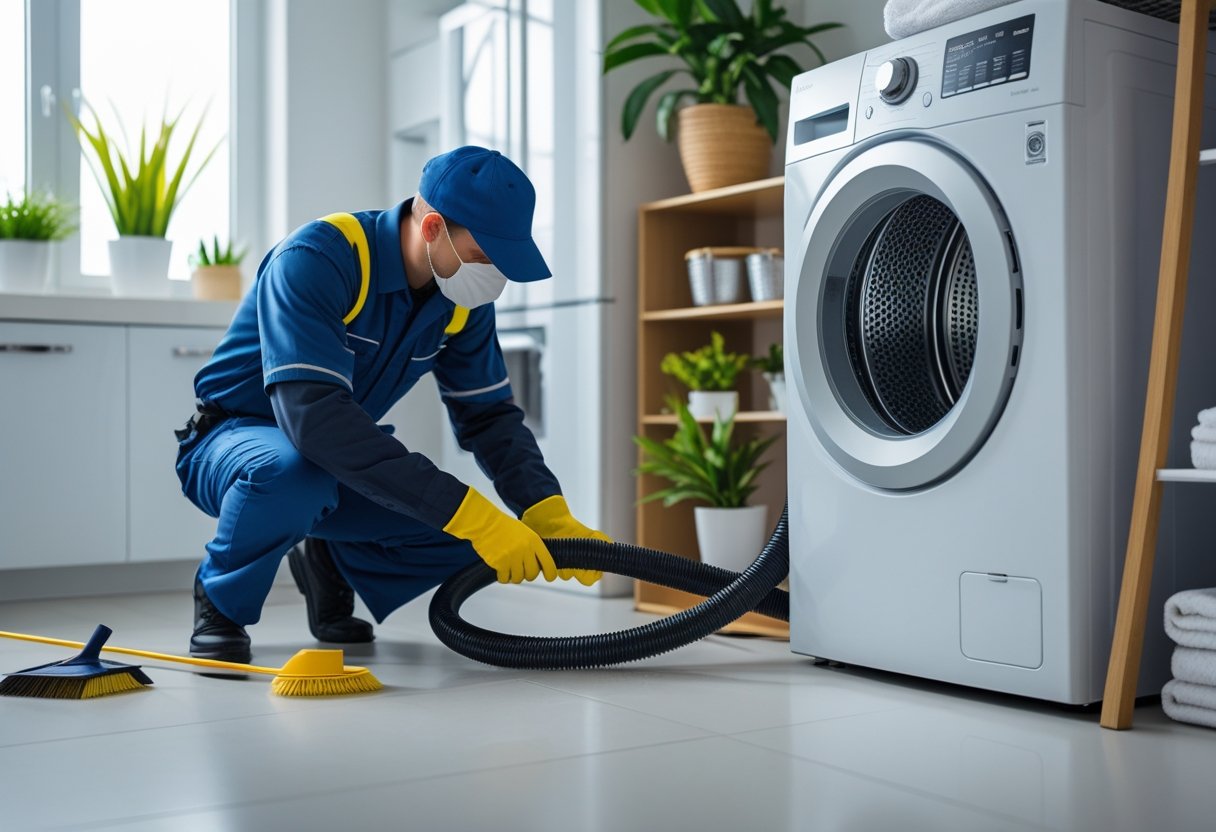
We explain how blocked or poorly routed dryer vents change indoor air, raise allergen levels, and let volatile organic compounds (VOCs) build up. Clear ventilation and routine cleaning cut risks to our IAQ and reduce lint, moisture, and chemical pollutants.
How Dryer Vents Impact Indoor Air Quality
A dryer vent moves moist, lint-filled air from the dryer to the outside. When vents clog or leak, that air can flow back into living spaces and raise humidity and particle counts indoors.
Increased humidity from vent problems feeds mold growth in walls and ducts. Lint particles add to indoor particulate matter that we breathe, and the dryer’s exhaust can carry small fibers into bedrooms and living rooms.
Improper vent routing; long runs, crushed ducts, or flexible foil hoses; reduces airflow and increases dryer temperature. That raises lint buildup and makes the dryer run longer, which boosts the total volume of pollutants and energy use.
Common Indoor Air Pollutants Associated with Dryer Vents
Lint and textile fibers are the most common pollutants from dryers. They act like allergens and may irritate lungs, especially for people with asthma or allergies.
Moisture and biological growth follow blocked vents. Mold spores and bacterial fragments can spread from damp areas near the vent into the air we breathe.
Dryers also release small amounts of VOCs from detergents, fabric softeners, and heated fabrics. Those VOCs add to indoor chemical loads and can cause headaches, eye irritation, or odor complaints.
The Importance of Proper Ventilation
Proper ventilation means a clear, straight vent path to the outside and vents sized to match the dryer’s airflow. We should inspect vents for kinks, animal nests, and lint traps that don’t seal.
We recommend rigid or semi-rigid metal ducts over flexible foil or plastic. Metal ducts resist crushing, reduce lint collection points, and improve airflow.
Routine cleaning every 6-12 months and after major dryer moves prevents lint buildup and cuts moisture and VOC recirculation. Good ventilation paired with cleaning keeps our indoor air quality lower in allergens, particulate matter, and VOCs.
Impact of Lint, Moisture, and Biological Contaminants
We explain how lint, trapped moisture, and biological growth each affect air quality and health, and why cleaning dryer vents reduces those risks. The details below show the main hazards and how they connect to allergy and respiratory problems.
Health Effects of Lint Accumulation
Lint buildup inside dryer ducts restricts airflow and holds dust, fibers, and tiny textile particles. When dryers run, some particles escape into living spaces, raising levels of particulate matter that can irritate eyes, noses, and throats.
Weaker airflow makes dryers run hotter and longer, increasing clothes friction and shedding more fibers. That heat can also break down fabric coatings and release volatile compounds into dryer exhaust.
People with asthma or chronic bronchitis face higher risks because fine textile particles penetrate deep into the lungs. Regular vent cleaning removes trapped lint, lowers particulate emissions, and helps maintain safer airflow and dryer efficiency.
The Risk of Mold, Mildew, and Moisture Buildup
Trapped moisture in ducts or the dryer housing creates damp pockets where mold spores and mildew settle and grow. Warm, humid air from wet clothes is an ideal environment for fungal growth if drainage or venting is poor.
Mold spores in the vent system can be blown back into living spaces during dryer cycles. Those spores often carry musty odors and release tiny fragments that worsen indoor air quality.
We must inspect vent paths for kinks, damage, or long horizontal runs where moisture can collect. Removing lint and improving airflow reduces damp spots and cuts the chance of mold and mildew forming in the venting system.
Allergen and Particulate Matter Exposure
Dryer vents can act as sources of allergens when lint, mold, or dust accumulate and become airborne. Allergy symptoms such as sneezing, congestion, itchy eyes, and coughing can worsen when vents release these particles into the home.
Fine particulate matter from lint and degraded fabric fibers reaches small airways and can inflame respiratory tissue. For sensitive people, repeated exposure increases the frequency and severity of attacks.
We recommend routine vent cleaning and using rigid or smooth ducting to lower particle shedding. These steps reduce allergen loads, help improve indoor air quality, and protect respiratory health for everyone in the household.
Benefits of Regular Dryer Vent Cleaning
We keep indoor air cleaner, lower risks from blocked vents, and help dryers run better and use less energy. Regular cleaning targets lint, dust, and moisture that build up inside vents and around the dryer.
Reducing Indoor Air Pollutants and Allergens
We remove lint, dust, pet hair, and mold spores that gather in dryer vents and the surrounding area. A clean dryer vent stops these particles from being pushed back into living spaces through small gaps and into the laundry room air.
Professional dryer vent cleaning also clears trapped moisture that supports mold growth. That reduces mold spores and musty odors in the house. For allergy sufferers, fewer airborne particles mean fewer symptoms like sneezing and itchy eyes.
We recommend cleaning vents at least once a year or more if we run long drying cycles, have pets, or use the dryer heavily. A clean dryer vent helps maintain better indoor air quality and reduces the need for extra dusting or air filter changes.
Improving Dryer Efficiency and Energy Consumption
We clear lint and debris from the vent pathway to help hot, moist air escape quickly. A clean dryer vent shortens drying times because warm air moves out freely and new hot air replaces it faster.
Shorter drying times mean the dryer uses less electricity per load. That improves dryer efficiency and reduces energy waste. Clean dryer vents also keep the dryer from overheating, which preserves internal components and performance.
We often see the biggest efficiency gains after professional dryer vent cleaning when vents were severely clogged. Regular maintenance keeps the dryer operating at designed energy efficiency and avoids performance loss over months or years.
Decreasing the Risk of Carbon Monoxide and Fire Hazards
We prevent dangerous conditions by keeping exhaust pathways clear. Gas dryers vent combustion gases, including carbon monoxide, through the dryer vent. If vents are blocked, exhaust can back up into the home and raise carbon monoxide risk.
Lint buildup also creates a strong ignition fuel. A clogged dryer vent raises the chance of dryer fires from overheated elements or lint catching fire. Professional dryer vent cleaning removes the accumulated lint in hard-to-reach bends and exterior hoods.
We recommend inspecting and cleaning vents whenever we smell burning, notice longer drying times, or see damaged venting. Clearing the vent reduces both the fire hazard and the likelihood of harmful exhaust entering living spaces.
Supporting Lower Energy Bills and Extended Appliance Lifespan
We save on energy bills when the dryer finishes loads faster and uses less power. Consistently shorter drying cycles add up to measurable savings over a year, especially for homes that do many laundry loads.
Cleaner vents reduce strain on the dryer’s motor and heating elements. That lowers the chance of premature breakdowns and costly repairs. Extending the dryer’s useful life helps us avoid early replacement costs.
We suggest scheduling professional dryer vent cleaning as part of routine home maintenance. That protects energy efficiency, keeps energy costs down, and helps the appliance last longer.
Best Practices and Maintenance for Healthier Indoor Air
We focus on simple steps that cut lint, reduce dust, and lower particles in living spaces. Regular checks, the right tools, and targeted devices keep dryer exhaust moving and indoor air cleaner.
Signs Your Dryer Vent Needs Cleaning
We watch for slow drying times, which often mean lint buildup in the duct. If a load that used to take 45 minutes needs 70-90 minutes, the vent likely needs cleaning.
A hot dryer cabinet or unusually warm clothes at the end of a cycle indicate poor airflow. We also note a musty smell or visible lint around the exterior vent hood after a cycle.
Increased dust or pet hair in rooms near the dryer, or a lint-covered lint trap that fills faster than usual, are warning signs. Occasional burning odor or frequent dryer trips on the high-heat setting call for immediate inspection.
DIY Versus Professional Dryer Vent Cleaning Services
We can clear short, straight ducts with a vent cleaning brush and a vacuum. Start by unplugging the dryer, removing the lint from the trap, and using a brush to push lint toward the exterior vent. Clean both the dryer outlet and the exterior vent hood.
Choose professional vent cleaning services when ducts are long, flexible, or have many bends. Pros use rotary brushes, high-pressure air, or vacuums that reach deep into the run. They inspect for damage and can repair crushed ducts or blocked exterior vents.
We hire pros annually if we use the dryer heavily, have pets, or live in a multi-story home. For lighter use, we clean every 18-24 months but still check the exterior vent every 6 months.
The Role of Accessories and Air Purifiers in Indoor Air Quality
We keep a clean lint trap and a tight duct connection to reduce lint escape. Use metal ducts rather than plastic or foil to avoid collapses that trap lint. Install a vent hood with a backdraft damper to keep outside debris and pests out.
Air purifiers with a true HEPA filter remove small particles that slip past vents or come from the dryer area. Place aHEPA unit in laundry rooms or nearby living spaces to cut airborne lint and dust.
We pair regular dryer vent maintenance with a purifier and routine vacuuming to improve indoor air. Combining vent cleaning services, a vent cleaning brush for spot care, and a HEPA filter reduces particles and keeps air quality better.