Keeping up with your dryer’s vent system might not seem urgent, but it plays a major role in how well your home runs. Over time, lint and dust build up, blocking airflow and forcing the machine to work harder. When we maintain our dryer vents, we improve energy efficiency, prevent costly damage, and lower fire risk.
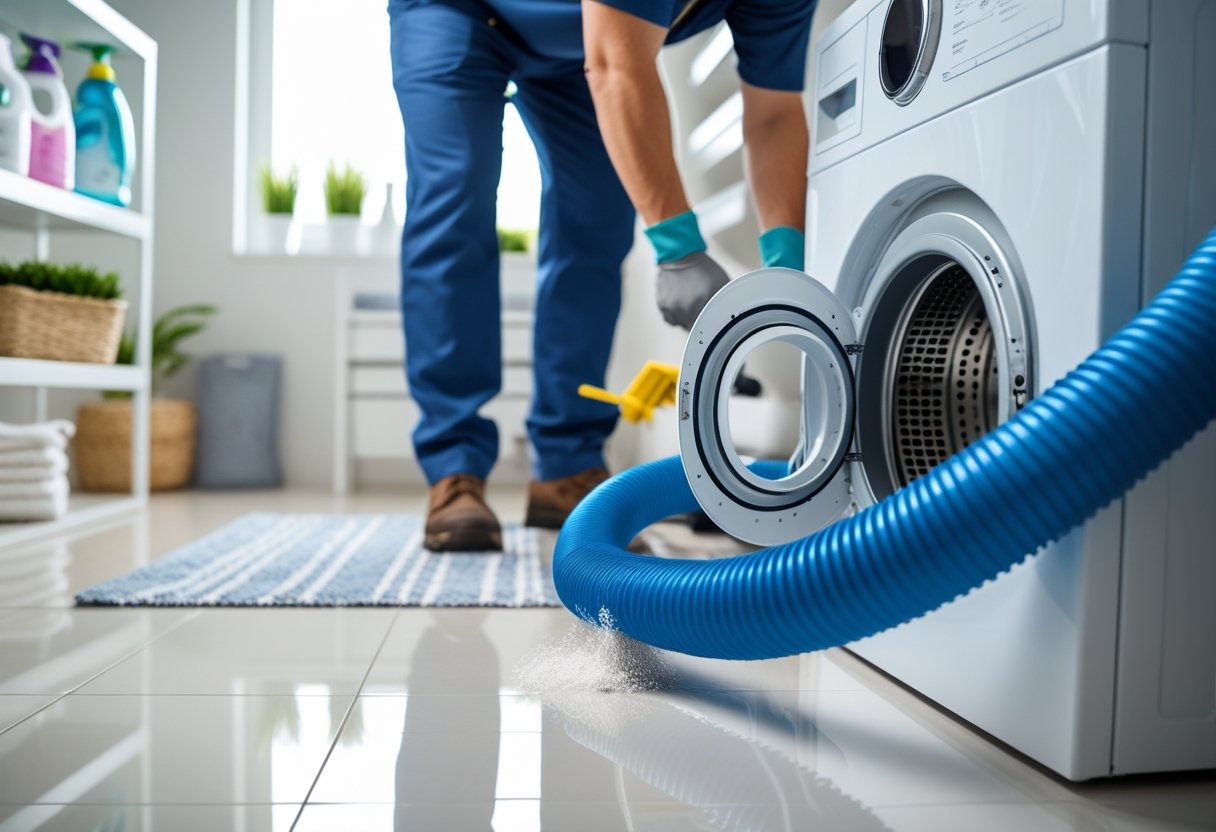
A clean vent system helps clothes dry faster, saves electricity, and keeps indoor air cleaner. It also extends the lifespan of the dryer, helping us avoid expensive replacements or repairs. Understanding the key reasons for maintenance, the warning signs of buildup, and the best care methods helps us protect both our home and our health.
Fundamental Reasons to Maintain Your Dryer’s Vent System
Keeping our dryer vent system clean protects our home, reduces operating costs, and extends the life of our dryer. Regular dryer vent maintenance lowers fire risks, improves air circulation, and prevents costly repairs caused by lint buildup and blockages.
Fire Prevention and Home Safety
A clogged dryer vent is one of the most common causes of dryer fires. Lint that collects inside the vent or around the vent opening can ignite when hot air cannot escape. The U.S. Fire Administration reports that thousands of dryer fires occur each year, often due to poor vent maintenance.
We can reduce this danger by cleaning the vent line, removing lint after every cycle, and checking for blockages behind the dryer. Flexible metal ducts improve dryer vent safety since they resist crushing and restrict less airflow than plastic hoses.
Keeping the area around the dryer free of dust and flammable materials also supports home safety. Simple habits; like scheduling yearly vent inspections; go a long way toward fire prevention and maintaining safe operation.
| Safety Tip | Purpose |
|---|---|
| Clean lint filter after every load | Prevents buildup and overheating |
| Inspect vent hose yearly | Detects kinks and blockages early |
| Ensure proper dryer placement | Reduces heat buildup against walls |
Boosting Dryer Efficiency
A clear vent allows hot, moist air to move freely, which helps clothes dry faster. When lint and debris collect inside the duct, the dryer must work harder to push air out, lowering dryer efficiency. This strain slows drying time and reduces dryer performance.
By maintaining the vent system, we help the dryer reach normal drying temperatures more quickly. The machine finishes cycles on time, making it easier to handle more laundry with less waiting.
Some signs of reduced efficiency include damp clothes after a full cycle or a noticeable heat buildup in the laundry area. Cleaning the vent corrects these issues and restores smooth airflow. Over time, regular dryer vent maintenance keeps the system running at full capacity.
Reducing Energy Costs and Utility Bills
Blocked vents make the dryer run longer to reach the same level of dryness. Each extra cycle means higher energy costs and unnecessary wear on parts. When airflow improves, the dryer uses less electricity or gas because it works more efficiently.
Even a small improvement in airflow can lower energy bills each month. For households that run frequent loads, the savings can add up over time. Proper maintenance also helps reduce strain on heating elements and sensors, keeping overall energy use in check.
We can track these savings by noting shorter drying times after each cleaning. Reduced run time provides a direct sign that the dryer is consuming less power and performing as designed.
Extending Appliance Lifespan
Regular dryer vent maintenance not only improves day-to-day performance but also extends the appliance lifespan. When heat and moisture stay trapped due to a clogged dryer vent, internal parts overheat and wear out sooner. Belts, motors, and heating coils face more stress.
Cleaning vents ensures the air stays at a steady temperature and the dryer runs without strain. This helps avoid premature breakdowns and expensive repairs.
We should inspect the vent system at least once a year or more often if usage is high. Keeping the dryer vent system clear supports steady performance throughout the appliance’s service life and slows the natural wear of components.
Health and Environmental Impacts
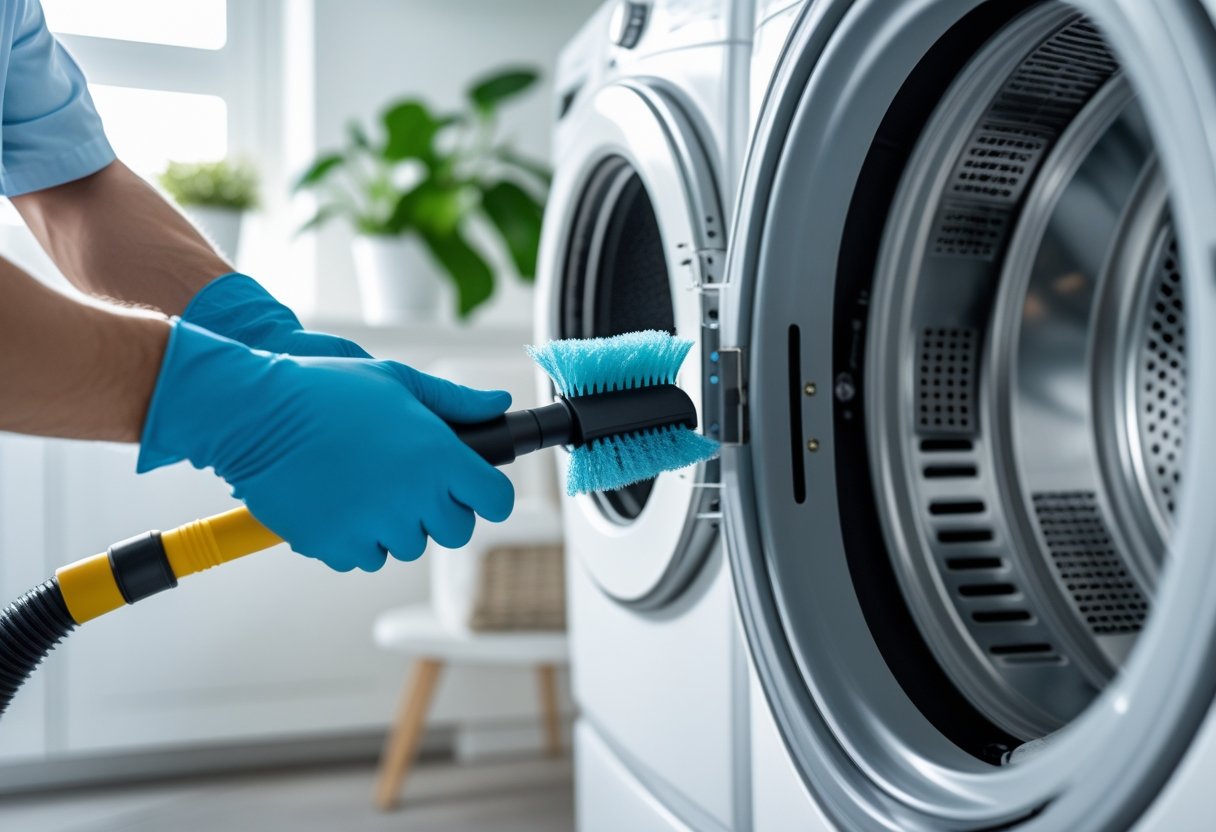
Maintaining our dryer vent system safeguards the air we breathe, helps limit biological growth inside the home, and supports energy-efficient operation that reduces waste. Clean dryer vents protect both our health and the environment through better airflow and lower energy use.
Improved Indoor Air Quality
When lint and dust build up inside the vent system, they restrict airflow and trap particles that can circulate through our living spaces. A clean dryer vent helps remove moisture and fine fibers before they enter indoor air. This reduces irritants such as dust, allergens, and chemical residues from detergents or fabric softeners.
Poor indoor air quality can cause symptoms such as coughing, breathing discomfort, and eye irritation. Regular cleaning removes these sources and lowers the risk of indoor pollutants increasing over time.
We should inspect and clear our dryer vents at least once a year. Keeping vents clean allows dryers to move moist air outside as designed, keeping the air inside our home drier and fresher. This not only protects our families but also maintains good ventilation throughout the house.
Mold and Mildew Prevention
Moisture left inside a clogged dryer vent creates a damp surface ideal for mold growth. Mold spores can spread quickly, damaging walls, insulation, and flooring. When we keep the vent system free of lint and moisture, we prevent that buildup.
Damp lint behaves like a sponge. It traps water vapor and keeps air from flowing efficiently. Mold and mildew thrive in these conditions, producing a noticeable musty odor. Once they form, removing them can be costly and time-consuming.
The best approach is prevention. Cleaning and visually inspecting the vent hose, wall ducts, and outdoor exhaust help ensure humidity escapes every cycle. We can use a short list of reminders:
- Check airflow from the exterior vent while the dryer runs.
- Look for water stains or damp spots near vent exits.
- Schedule maintenance before lint accumulates.
By keeping the vent system dry, we stop mold and mildew before they start.
Minimizing Carbon Footprint
A blocked dryer vent reduces energy efficiency and forces the appliance to run longer. This extra power use increases our carbon footprint and raises utility costs. Clean dryer vents shorten drying times and help the dryer operate at peak performance.
When we keep our vent system clear, we allow air to circulate freely. The dryer uses less heat energy to remove moisture, meaning lower electricity or gas consumption. Even a few extra minutes per load can add up to significant energy waste each year.
We can take small steps that have lasting effects:
- Clean vents every 6-12 months.
- Use full but not overloaded loads.
- Check ducts for sharp bends or kinks that restrict air movement.
By caring for our dryer vent system, we save energy, reduce household emissions, and lessen the pressure on power grids. Regular maintenance supports a cleaner home and a more sustainable environment.
Recognizing and Addressing Warning Signs
We can keep our dryer vent system functioning properly when we know how to spot changes in operation and performance. Small signs often point to clogged dryer vents, lint accumulation, or reduced airflow long before major problems appear.
Common Symptoms of Vent System Issues
When our dryer vent begins to clog, the first clue is often longer drying cycles. Clothes that used to dry in 40 minutes may now take over an hour. This happens because lint buildup restricts airflow, forcing the appliance to run longer and work harder.
We might also notice the dryer or laundry room becoming unusually hot. Excess heat means the air can’t move freely through the dryer vent or vent hood. Another sign is a musty or burning smell during operation, which can come from trapped lint inside the vent or around the heating element.
Checking outside the house can help too. If the flap on the vent hood doesn’t open while the dryer runs, airflow is likely blocked. A quick inspection and cleaning can confirm the issue before it worsens.
For reference, common symptoms may include:
| Symptom | Possible Cause |
|---|---|
| Longer drying times | Clogged dryer vents |
| Excess heat | Blocked airflow |
| Burning odor | Lint near heat source |
| Vent flap not moving | Restricted exhaust |
When we act on these early signs, we reduce wear on the dryer and prevent larger maintenance problems.
Risks of Neglected Dryer Vent Maintenance
Ignoring these warnings increases risks for both dryer performance and home safety. A clogged vent limits airflow, making the dryer overheat. This extra strain can damage internal components and reduce its lifespan.
Excessive lint accumulation also raises fire hazards. The fine fibers are highly flammable, and a spark or heating coil can ignite them if airflow is blocked. The U.S. Fire Administration reports that thousands of dryer fires each year stem from poor vent upkeep.
Higher energy use becomes another long-term issue. When vents stay dirty, the dryer consumes more power to push out moist air. Over time, this adds unnecessary cost to utility bills and increases wear on the motor.
Regular dryer maintenance; such as vacuuming behind the unit, inspecting the vent hood, and cleaning the duct every few months; helps prevent these risks. Taking small steps in our home maintenance routine keeps the system safe, efficient, and longer lasting.
Best Practices for Long-Term Dryer Vent Maintenance
We extend the life of our dryers and reduce fire risks when we keep vents clean and properly installed. Using the right materials, cleaning regularly, and hiring professionals when needed ensures good airflow and efficient drying.
Routine Homeowner Maintenance Tips
We should clean our dryer’s lint filter after each load. A clogged lint filter traps moisture and slows drying time. When we remove lint often, we help air move properly through the vent duct.
Every three to six months, we should inspect the vent opening outside the house. If air doesn’t flow freely or we see lint buildup, it’s time for cleaning. A soft brush or vacuum hose can remove debris from the duct without damaging it.
We can also checklist a few quick steps:
| Task | Frequency | Benefit |
|---|---|---|
| Clean lint filter | After every load | Improves airflow |
| Vacuum behind dryer | Every 6 months | Prevents overheating |
| Check vent outlet | Every 3 months | Reduces lint buildup |
Keeping these habits reduces strain on both the dryer and the vent.
Professional Dryer Vent Cleaning Services
Even with regular care, some lint accumulates deep inside the vent duct. We should schedule professional dryer vent cleaning services once a year or if drying takes longer than usual. A trained technician uses tools that reach areas we can’t safely access.
A professional dryer vent cleaning also checks for damage, disconnections, or sharp bends that restrict airflow. The technician may use cameras to inspect the entire length of the vent system. This helps locate blockages before they cause problems.
We should choose a dryer vent cleaning service that’s licensed and insured. Asking for a written service report helps us track maintenance history and future cleaning needs. Proper service keeps our dryer vent system efficient and safe.
Selecting Proper Materials and Installation
Using the right materials during installation reduces future maintenance. We should use rigid metal ducting, not plastic or foil hoses, because metal resists heat and lint buildup. Short, straight ducts improve airflow and reduce wear on the dryer.
We should secure joints with metal foil tape, never screws, since screws trap lint. The vent duct length should follow the dryer manufacturer’s guidelines to prevent restricted airflow.
When designing or upgrading our vent system, we can ask a professional to measure airflow rates and check connections. Proper setup helps our cleaning efforts last longer and keeps the system running efficiently over time.