Most of us don’t think about our dryer vent until something goes wrong. Yet the way we maintain that vent quietly shapes how long our dryer lasts and how well it performs. Clean vents help dryers run efficiently, prevent wear, and add years to their lifespan.
When lint and dust build up, airflow drops and parts work harder to push out heat and moisture. Over time, that strain shortens the appliance’s life and raises energy costs. By keeping the vent clean, we protect both our investment and our safety.
We’ll look at how vent hygiene directly affects dryer lifespan, explore simple steps to extend appliance life, and outline maintenance habits that make dryers more efficient and cost-effective.
How Vent Hygiene Directly Affects Dryer Lifespan
Regular vent cleaning prevents lint buildup that slows airflow, increases drying times, and shortens dryer lifespan. Clean vents also help the dryer maintain its designed energy efficiency and reduce wear on mechanical parts.
Causes of Lint Buildup in Dryer Vents
Lint naturally collects as clothes dry. Small fibers separate from fabric and pass through the lint trap, but not all of them get caught. Over time, these fibers settle inside the dryer vent and along the duct walls.
Poor vent design, such as long or bent ducts, traps more lint because airflow weakens before it reaches the outside vent cap. Using the dryer heavily or drying bulky items like towels also leads to faster buildup. Regular cleaning becomes more important under these conditions.
We can reduce buildup by cleaning the lint filter after every load and inspecting the vent at least once a year. Keeping the duct as short and straight as possible also helps air move freely and carry lint outside instead of letting it collect inside.
Impact of Blocked Vents on Dryer Performance
A clogged dryer vent forces the machine to work harder. When airflow drops, moisture remains in clothes longer, raising drying times and energy costs. Heat can build up inside the drum, causing sensors to shut down the cycle early or run longer cycles to compensate.
Poor airflow reduces dryer efficiency and increases strain on heating elements and motors. These parts operate at higher temperatures when air cannot escape properly. Over time, this can shorten dryer lifespan by stressing internal circuits and seals.
We can notice a blocked vent when clothes feel hot but still damp, or when the dryer feels unusually warm after a cycle. Addressing these signs early helps extend the life of the appliance and maintain normal performance levels.
Mechanical Wear from Poor Airflow
Restricted airflow doesn’t just slow drying; it puts consistent stress on moving parts. The motor, blower wheel, and heating element all work harder to push hot air through a blocked vent. This stress raises the chance of overheating and mechanical failure.
Extended heat exposure dries out lubricants and warps seals. Bearings in the motor may wear faster, leading to noise and vibration. Replacing these parts costs more than cleaning the vent regularly.
Keeping vents clean allows internal components to run at normal operating temperatures. Consistent maintenance not only helps preserve the machine’s lifespan but also sustains the level of performance we expect from our dryer.
Extending Appliance Life Through Proper Dryer Vent Maintenance
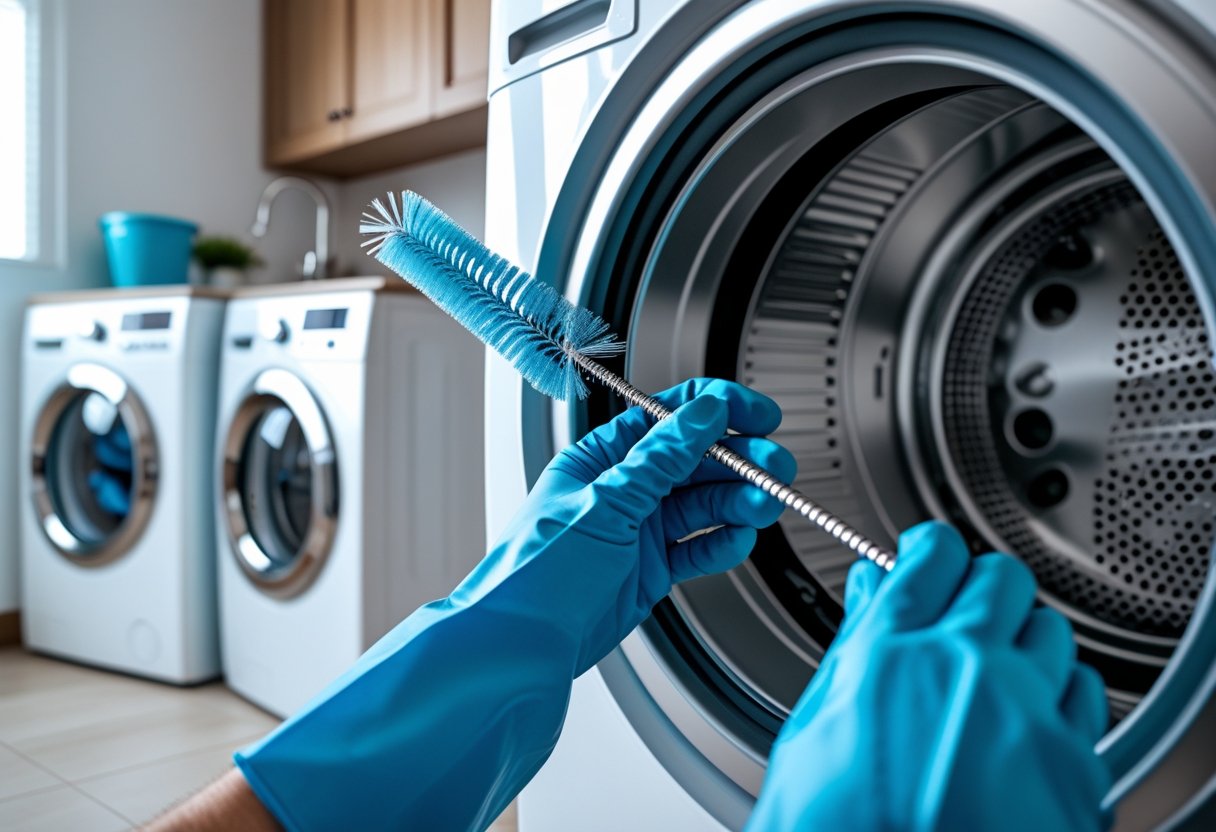
Regular dryer vent maintenance protects our investment by keeping the appliance efficient and safe. Clean vents help the dryer run at the right temperature, reduce wear on parts, and lower the risk of overheating or early breakdowns.
Effects of Routine Vent Cleaning on Appliance Longevity
When we schedule consistent dryer vent cleaning, the dryer doesn’t have to work as hard. A blocked vent restricts airflow, causing the motor and heating element to run longer. Over time, that extra stress shortens the appliance lifespan and increases energy use.
We can avoid this by cleaning vents every 6 to 12 months, depending on how often we use the dryer. Doing so reduces heat buildup and strain on internal parts. A dryer vent cleaning service can measure airflow and remove compacted lint and debris that home tools can’t reach.
Routine cleaning also helps maintain stable drying times. When airflow stays clear, moisture escapes faster, and the dryer completes cycles efficiently. The chart below shows typical results after proper maintenance:
| Condition | Average Drying Time | Energy Use |
|---|---|---|
| Clogged Vent | 70-90 minutes | High |
| Clean Vent | 40-50 minutes | Moderate |
Keeping airflow smooth directly supports longer motor and heater life.
Common Warning Signs of a Clogged Dryer Vent
We can detect vent problems early by paying attention to changes in performance. A few warning signs include:
- Clothes taking longer to dry
- A hot or humid laundry room
- Lint visible around the vent opening
- A burning smell during or after cycles
These signs signal restricted airflow. If we ignore them, overheating can follow, which may trigger a safety shutoff or cause parts to fail prematurely.
By inspecting the vent hood outside, we can check if air flows freely. Weak airflow means buildup inside the vent. In such cases, we should stop using the dryer until we complete a proper dryer vent cleaning or call a technician. Taking action quickly prevents costly dryer repairs and reduces fire risk.
Role of Lint Removal in Reducing Repairs
Lint is the most common cause of dryer vent blockage. Even when we clean the lint trap after every load, fibers still pass into the vent line. Lint removal prevents these small particles from layering and restricting airflow.
We should vacuum the vent line regularly and clean behind the dryer where lint collects. Using a brush attachment or a professional dryer vent cleaning service makes this process more effective. Professionals use tools that reach deeper sections of the duct system.
Removing lint also lowers the chance of dryer repair calls for damaged sensors or burned-out components. By keeping vents clear, we reduce heat stress and ensure even drying temperature. A clean vent system saves both repair costs and energy while helping our dryer last longer.
Energy Efficiency and Financial Savings Linked to Clean Dryer Vents
Clean dryer vents help us lower our energy costs and make laundry systems run more efficiently. They also reduce wear on dryer parts and help us save resources by using less electricity during each load.
Utility Bill Reduction Through Enhanced Dryer Efficiency
When vents stay clear, air moves freely through the dryer system. This improves dryer efficiency and shortens each drying cycle. Less time running the machine means we use less electricity per load.
Even a small improvement in efficiency can reduce monthly utility bills. For example:
| Vent Condition | Average Drying Time | Approx. Energy Use per Load |
|---|---|---|
| Clean | 45 minutes | Lower |
| Partially Clogged | 60-75 minutes | Higher |
Regular vent cleaning can reduce running time by up to 25-30%. The lower power draw is immediate and measurable on our energy bills, especially in homes that use the dryer several times a week.
Saving energy this way also extends equipment life because the dryer motor and heating element operate less often. That helps keep maintenance and part replacement costs down over time.
How Clogged Dryer Vents Raise Energy Costs
When lint and debris block airflow, the dryer must produce more heat to move moisture out of clothes. The extended drying time raises energy costs quickly. We may not notice the change at first, but a growing clog can cause the dryer to run for nearly twice as long.
This added strain makes the appliance work harder and less efficiently. The heating element stays on longer, increasing the power used for each cycle. If the vent remains dirty, energy waste continues month after month.
Clogged vents also restrict airflow to the outside, which can make the dryer overheat. The extra heat doesn’t improve performance-it only consumes more power and puts wear on electrical parts, leading to potential repair bills in addition to higher energy bills.
Environmental Benefits of Reduced Power Consumption
Cutting power use through clean vents benefits more than just our household finances. Lower electricity demand means less stress on the energy grid and reduced greenhouse gas emissions from power generation.
Each properly maintained dryer reduces its carbon footprint by using less electricity for the same drying results. Larger households or shared laundry facilities gain even more savings from consistent maintenance.
We can think of vent cleaning as one of the simplest ways to improve energy efficiency at home. It requires minimal effort, yet it helps conserve energy resources and contributes to a more sustainable daily routine.
Maintenance Strategies for Maximizing Dryer and Vent Lifespan
Keeping the dryer vent clean and properly installed protects the machine, reduces energy use, and lowers the risk of fire. Regular cleaning, professional inspections, and correct materials can help prevent damage and maintain safe airflow.
Professional Versus DIY Dryer Vent Cleaning
We can clean our own dryer vents, but professional dryer vent cleaning often reaches deeper into the system. A technician uses high-powered vacuums and brushes to remove compacted lint that simple tools cannot reach. This level of duct cleaning keeps air moving freely and helps the dryer run efficiently.
DIY cleaning works well for short, straight vents or light buildup. We can safely remove lint from the lint trap area, flexible hose, and wall connection. Still, professional dryer vent service becomes essential when vents exit through long ducts, roofs, or attics.
When hiring an air duct cleaning service, we should confirm that it is certified, insured, and experienced. Professionals can spot problems like crushed ducts or concealed clogs during vent maintenance. These issues can strain the dryer motor and raise the chance of overheating or dryer fires if ignored.
| Cleaning Type | Tools Used | When To Use |
|---|---|---|
| DIY | Vacuum attachments, brushes | Every few months for basic upkeep |
| Professional | High-pressure air tools, rotary brushes | Yearly or when airflow slows |
Recommended Maintenance Frequency and Inspections
Lint buildup begins after just a few cycles, so consistent cleaning is key. We should remove lint from the filter after each load and vacuum around the vent opening every few months. A complete dryer vent inspection every year helps identify cracks, loose fittings, or partial blockages that can reduce airflow.
Professional dryer vent cleaning is often recommended once a year. However, households with large families or pets may need it twice yearly. Heavy use creates more lint and moisture, which speeds up buildup inside ducts.
During inspections, we can check for signs like longer drying times, excess heat in the laundry area, or a burning smell. These are early warnings of a clogged dryer vent. Addressing them quickly keeps air ducts clear and protects both the appliance and our safety.
Material and Installation Factors Impacting Vent Durability
The materials used during installation affect how well a vent holds up over time. Rigid metal ducts last longer and resist lint buildup better than flexible plastic or foil hoses. Flexible ducts can collapse, creating pockets where lint collects and airflow weakens.
We should keep duct runs as short and straight as possible. Fewer bends mean less friction and easier lint removal. Properly sealed joints stop leaks that allow warm, moist air to escape into walls or attics.
A well-installed vent also supports easier cleaning. When installers leave easy access points, we can inspect and maintain the system without removing major parts. Investing in quality materials and smart design often reduces how often we need air duct cleaning services later.
Safety and Indoor Air Quality Considerations
Clean vents help maintain both home safety and indoor air quality. When ducts clog, heat and lint can build up, raising the risk of dryer fires. The U.S. Fire Administration reports thousands of home fires each year linked to neglected dryer vents.
Blocked vents also push moist, stale air back into living spaces. Over time, this may promote mold growth and reduce indoor air quality. Regular duct cleaning helps limit these problems by keeping airflow consistent and free of contaminants.
We should avoid using vents shared with other exhaust systems like bathroom fans or kitchen ducts. Each appliance should have its own vent to prevent airflow interference. By keeping vents clean and properly routed, we keep our homes safer and our air cleaner.