Many people clean out the lint trap but forget about the vent itself. Over time, lint builds up where you can’t see it, forcing the dryer to work harder with every cycle. Frequent dryer vent cleaning keeps the appliance running safely and efficiently, helping it last longer.
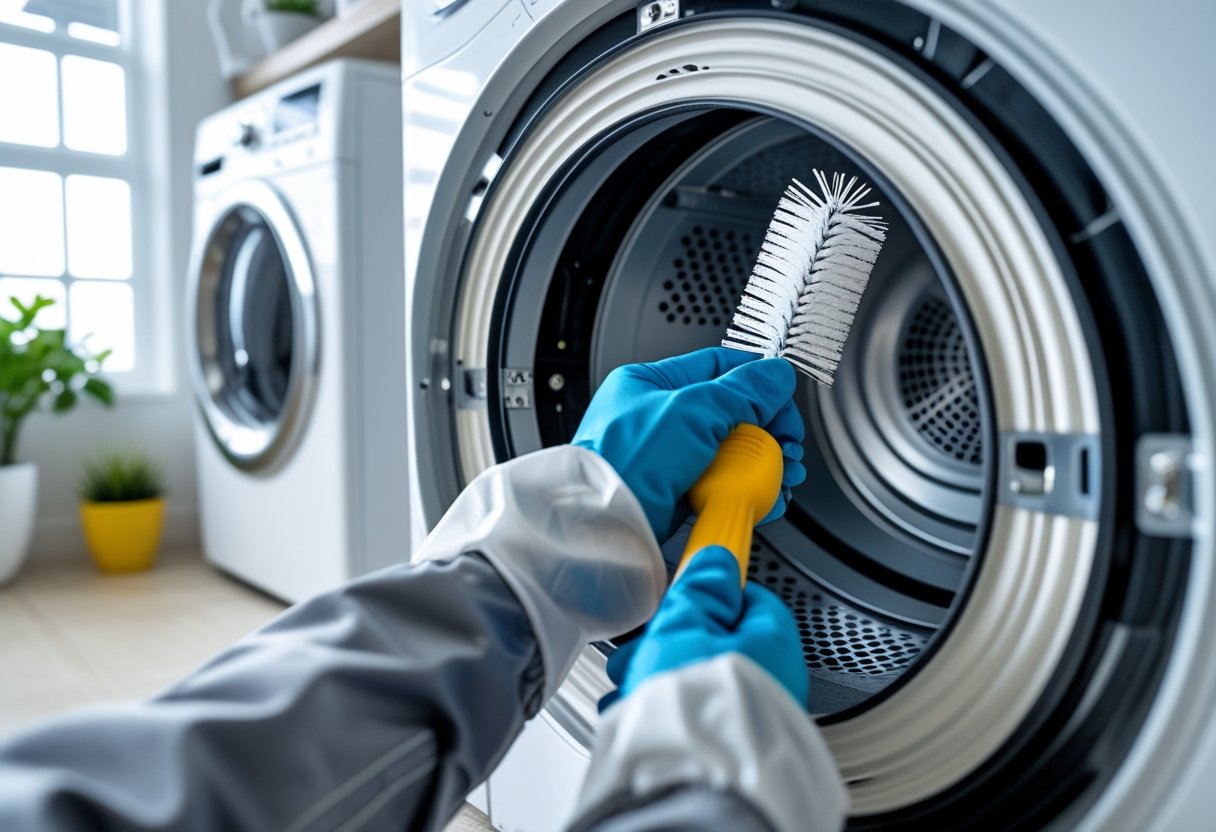
When the vent stays clear, air flows smoothly, and clothes dry faster with less energy. We save money on utility bills and reduce the risk of damage to the heating element or motor. A clean vent also lowers the chance of overheating, which helps prevent potential fire hazards.
By taking a few simple maintenance steps, we can protect our appliance’s performance, keep the home safer, and use less energy overall.
The Critical Role of Dryer Vent Cleaning for Appliance Health
Frequent dryer vent cleaning supports proper airflow, prevents overheating, and helps extend the life of the appliance. When lint and debris restrict air movement, the dryer must work harder, which leads to higher energy use, safety risks, and costly repairs.
How Lint Build-Up Damages Dryers
Lint buildup collects on interior parts such as the lint screen, exhaust duct, and motor housing. As this layer thickens, it traps moisture and heat inside the machine. Over time, the restricted airflow raises internal temperatures, which can wear out belts, bearings, and heating elements.
We see dryers start to overheat when vents stay clogged for too long. The high heat can warp plastic parts and shorten the electrical components’ lifespan. Regular dryer vent maintenance keeps the air moving smoothly and reduces strain on these parts.
A clogged dryer vent also forces the motor to run longer. Extra cycles lead to faster mechanical fatigue and frequent service needs. Cleaning vents once or twice a year lowers wear and helps the appliance run as designed.
Why Clogged Dryer Vents Reduce Efficiency
A clogged dryer vent causes longer drying times and increased power use. As lint blocks air circulation, damp air stays in the drum. Clothes take multiple cycles to dry, raising both energy costs and machine workload.
Dryers rely on steady ventilation to remove moist air. When the vent restricts this flow, we notice reduced dryer efficiency and hotter operation. These effects can often be seen in a drop in daily performance and higher utility bills.
Key signs of reduced efficiency:
- Clothes feeling hot but still damp
- Dryer exterior warming up excessively
- Burning or musty odor during operation
By performing routine dryer vent cleaning, we help maintain airflow balance so the dryer runs faster and wastes less energy.
Fire Hazards: The Hidden Danger
Lint is highly flammable. When a dryer vent becomes blocked, excess heat ignites trapped fibers, leading to dangerous dryer fires. The risk increases if the dryer overheats or the vent hose becomes crushed behind the appliance.
Each year, many household fires trace back to unclean dryer vents. The combination of dry lint, oxygen, and continuous heat makes the system vulnerable. Proper cleaning removes this material before it becomes fuel.
To reduce fire hazards, we should:
- Clean the lint trap after every load
- Inspect and vacuum vent ducts regularly
- Replace damaged or flexible plastic vents with rigid metal pipes
These practices lower ignition risks while improving air circulation.
Appliance Longevity and Lower Repair Costs
Clean vents help dryers maintain steady performance and normal operating temperatures. Less stress on electrical parts and moving components results in longer service life. Timely dryer vent cleaning limits overheating, which keeps circuit boards and heating elements stable.
When the machine runs without airflow restrictions, it experiences fewer malfunctions. Repair needs drop, and maintenance becomes predictable rather than reactive. This reduces both repair frequency and replacement part costs over time.
We can view vent cleaning as a simple way to protect our investment. With minimal effort, routine care supports appliance longevity and prevents preventable breakdowns. The cost of cleaning is small compared to expensive repairs caused by neglect.
Impacts on Home Safety, Energy, and Health
A clogged dryer vent creates more than an inconvenience. It raises the risk of home fires, wastes energy, and can lower indoor air quality through trapped moisture or dust. Keeping the vent clear improves safety, reduces energy costs, and helps protect our family’s well-being.
Fire Prevention and the National Fire Protection Association Guidance
The National Fire Protection Association (NFPA) identifies dryer-related fires as a major household hazard. Lint buildup inside vents becomes extremely flammable. Heat from the dryer can ignite it, spreading flames through walls or ceilings where the vent runs.
We can reduce this risk by cleaning the vent at least once a year, inspecting the duct for damage, and using metal rather than plastic hoses. The NFPA also advises removing lint from the dryer’s lint screen before or after every load. These simple actions lower fire hazards and extend the dryer’s life.
Key prevention tips:
- Clean vent interiors regularly.
- Check ducts for obstructions.
- Follow NFPA dryer safety recommendations.
Routine upkeep keeps the dryer running safely and prevents costly property damage.
Energy Consumption and Lower Energy Bills
A clean dryer vent improves air circulation, allowing the dryer to work efficiently. When lint or debris block airflow, the machine must run longer cycles, raising energy consumption and utility costs.
Regular vent cleaning can cut drying time by 25% or more in some households. This helps lower energy bills while putting less strain on the appliance’s motor and heating elements. Shorter cycle times also reduce our household’s carbon footprint, supporting more sustainable energy use.
When we maintain the vent system, we protect both our home’s energy performance and the appliance’s lifespan. It’s a simple step with measurable savings over time.
Indoor Air Quality and Respiratory Issues
Poorly vented dryers can leak fine dust, lint, or exhaust into indoor air. This can affect sensitive individuals who struggle with respiratory issues such as asthma or allergies. Moist air from the vent may also raise humidity indoors, encouraging microbial growth.
A properly sealed and clean dryer vent helps sustain good indoor air quality. Fresh air stays cleaner, and our living spaces remain more comfortable. We can also reduce exposure to airborne particles by ensuring vents lead fully outside and not into basements or crawl spaces.
Maintaining this system keeps the air in our home healthier and less irritating, especially for people with breathing difficulties.
Mold, Mildew, and Allergens Risks
Moisture left inside a dryer vent or behind the dryer can lead to mold growth and mildew growth. These organisms release mold spores and other allergens that may spread into the air and onto nearby surfaces.
Regular vent maintenance prevents water vapor buildup by allowing hot, moist air to escape properly. When vents remain blocked, the surrounding area stays damp, and spores multiply quickly. That can cause odor problems and compromise home safety through hidden structural decay.
By keeping our vent system clean and dry, we limit mold and mildew risks. This simple habit protects both the integrity of our home and the comfort of everyone living in it.
Warning Signs: When Your Dryer Vent Needs Cleaning
Clogged dryer vents can reduce airflow, strain the motor, and trap moisture and heat inside the machine. We can spot problems early by watching for noticeable changes in performance, smell, and safety indicators before damage occurs.
Longer Drying Times and Poor Dryer Performance
When the drying cycle begins to take longer than usual, that’s often the first sign of a blocked vent. Too much lint in the vent limits hot air movement, leaving clothes damp even after a full cycle. If we run the dryer again to finish the job, energy use and wear both increase.
We may also notice that clothes feel hotter than normal, or that the outside of the dryer becomes warm to the touch. These symptoms point to trapped heat that can shorten the life of internal parts. Regular vent cleaning keeps airflow strong and drying times efficient.
| Common Signs | Possible Cause |
|---|---|
| Extended drying times | Lint build-up in vent |
| Damp clothes after cycle | Poor air circulation |
| Hot dryer housing | Restricted heat flow |
Musty Odors, Overheating, and Visible Lint Build-Up
A musty smell coming from freshly dried clothes often means moisture is staying inside the drum instead of escaping through the vent. This trapped humidity allows mildew and odor to form. When vents are clear, damp air exits properly, reducing unwanted smells.
Another sign is the dryer or laundry area feeling unusually hot. Overheating happens when hot air has nowhere to go, forcing the machine to work harder. Over time, this stress can harm the heating element and sensors.
Visible lint around the vent opening or the exterior hood is a clear warning. If lint collects outside, there is likely much more inside the duct. Checking and removing visible lint helps prevent larger clogs.
Burning Smells and Safety Red Flags
A burning odor coming from the dryer signals immediate risk. Lint is highly flammable, and when it gathers near the heating element, it can ignite. We should turn off the machine at once and inspect the vent and lint trap before using it again.
We may also hear unusual noises, see scorch marks, or feel extreme heat from the back of the dryer. These are strong indicators of a clogged vent. Ignoring them can lead to costly repairs or fire hazards.
To stay safe, we should:
- Clean the lint screen after every load
- Have vents cleaned yearly
- Keep the area behind the dryer free of dust and fabric debris
Routine checks like these lower fire risk and help our dryer operate within safe temperature limits.
Best Practices for Effective Dryer Vent Maintenance
Keeping dryer vents clean reduces drying time, prevents overheating, and extends the dryer’s lifespan. Regular inspections, proper cleaning methods, and choosing between DIY or professional help all play a role in maintaining a safe and efficient appliance.
How Often to Clean Your Dryer Vent
We should schedule dryer vent cleaning at least once a year for most households. However, homes that dry multiple loads each day or use gas dryers may need cleaning every six months. Frequent use causes lint and debris to build up faster, reducing airflow and making the drying cycle less efficient.
Warning signs include clothes taking longer to dry, a burning smell, or the dryer feeling unusually hot after use. These symptoms suggest a clogged vent that needs immediate attention.
A quick inspection schedule can help us stay consistent:
| Usage Level | Cleaning Frequency | Notes |
|---|---|---|
| Light (1-2 loads/week) | Every 12 months | Check for lint buildup between cleanings |
| Moderate (3-5 loads/week) | Every 6-9 months | Inspect vent cap and hose for dust |
| Heavy (daily use) | Every 3-6 months | Consider hiring a service for deep cleaning |
Staying consistent with these intervals keeps the system safe and efficient while lowering energy use.
DIY vs. Professional Dryer Vent Cleaning Services
We can clean short vents ourselves with a vacuum or a flexible brush kit. A DIY approach works best for simple vent layouts with short runs and easy access behind the dryer. It’s an affordable way to remove loose lint and confirm the vent isn’t blocked.
However, professional dryer vent cleaning services are more effective when the duct runs through walls or ceilings. Technicians use high-powered vacuums and rotary brushes to remove compacted lint. They can also check for leaks, crushed ducts, or incorrect vent materials that affect dryer performance.
Hiring a dryer vent cleaning service once a year ensures a thorough job and reduces fire risks. Experts can identify hidden clogs or damage that DIY cleaning might miss.
Tips for Safe and Thorough Cleaning
Before cleaning, always unplug the dryer and, for gas dryers, turn off the gas supply valve. This reduces the risk of electrical shock or gas leaks. We should detach the exhaust hose, vacuum the inside vent, and clean both ends of the duct.
Use a lint brush to remove debris stuck deep inside the vent tube. Outside, make sure the vent flap moves freely and is not blocked by dirt or nests.
To maintain airflow between cleanings:
- Empty the lint trap after every use.
- Keep the area behind the dryer clear of dust.
- Check vent connections to ensure a tight fit.
Following these small habits boosts energy efficiency and helps the dryer last longer with fewer overheating issues.