A dryer that takes longer to finish a load or feels hotter than usual may signal a hidden problem. Many people overlook the vent, yet it plays a major role in how well a dryer performs. Clogged vents strain the system, shorten its lifespan, and increase the chances of costly repairs.
When airflow becomes blocked, the dryer works harder to push out moisture. This extra effort wears down parts faster, wastes energy, and raises utility bills. It also increases the risk of overheating, which can lead to safety issues.
By understanding how blocked vents affect performance and learning simple maintenance habits, we can keep our dryers efficient and extend their service life.
How Clogged Dryer Vents Reduce Dryer Durability
When lint or debris builds up inside dryer vents, it forces the appliance to work beyond its normal limits. Restricted airflow increases drying times, adds strain to key parts, and slowly cuts down the dryer’s ability to function efficiently for years.
Shortened Dryer Lifespan From Overuse
A clogged dryer vent traps heat and moisture inside the system. This causes the dryer to run longer than it should. Each extra cycle uses more energy and adds more wear to the internal components. Over time, this shortens the dryer lifespan, even when the machine itself is well-maintained.
We often see that dryers with clean ventilation last several years longer compared to those with regular vent blockages. Extended drying times not only waste electricity but also lead to constant exposure of parts to high heat. This repeated stress accelerates the breakdown of seals, bearings, and the drum belt.
We can avoid much of this by keeping vents clear and cleaning the lint trap after every load. Doing so improves air movement and helps maintain dryer longevity without unnecessary overuse.
Increased Wear and Tear on Components
Poor airflow from dryer vent clogs adds uneven pressure throughout the machine. The fan, drum rollers, and seals must work harder to push warm air through a blocked passage. That extra effort leads to friction, vibration, and temperature swings that wear parts out faster.
Key problem areas include:
- Belts and pulleys that stretch or slip
- Drum bearings that lose lubrication
- Vents and ducts that trap hot air
When lint buildup restricts these systems, parts age prematurely. Even routine maintenance cannot fully offset this damage if the dryer vents remain blocked. Regular vent cleaning is an effective, low-cost step to prevent ongoing strain on the system.
Motor and Heating Element Stress
The motor and heating element face heavy stress from lack of ventilation. A clogged dryer vent keeps heat trapped, forcing the motor to run longer and the element to remain at high temperature for extended periods. This overwork makes both parts deteriorate faster than usual.
Heat that cannot escape raises internal temperatures, which may trigger auto-shutoff or cause minor overheating. The motor bearings dry out, and the heating coil becomes brittle. These effects often lead to costly repairs or the need for early replacement.
By inspecting dryer performance; especially airflow and drying time; we can spot vent problems early. Keeping lint accumulation under control protects these sensitive parts and supports consistent, long-term performance.
Efficiency Losses and Higher Operating Costs
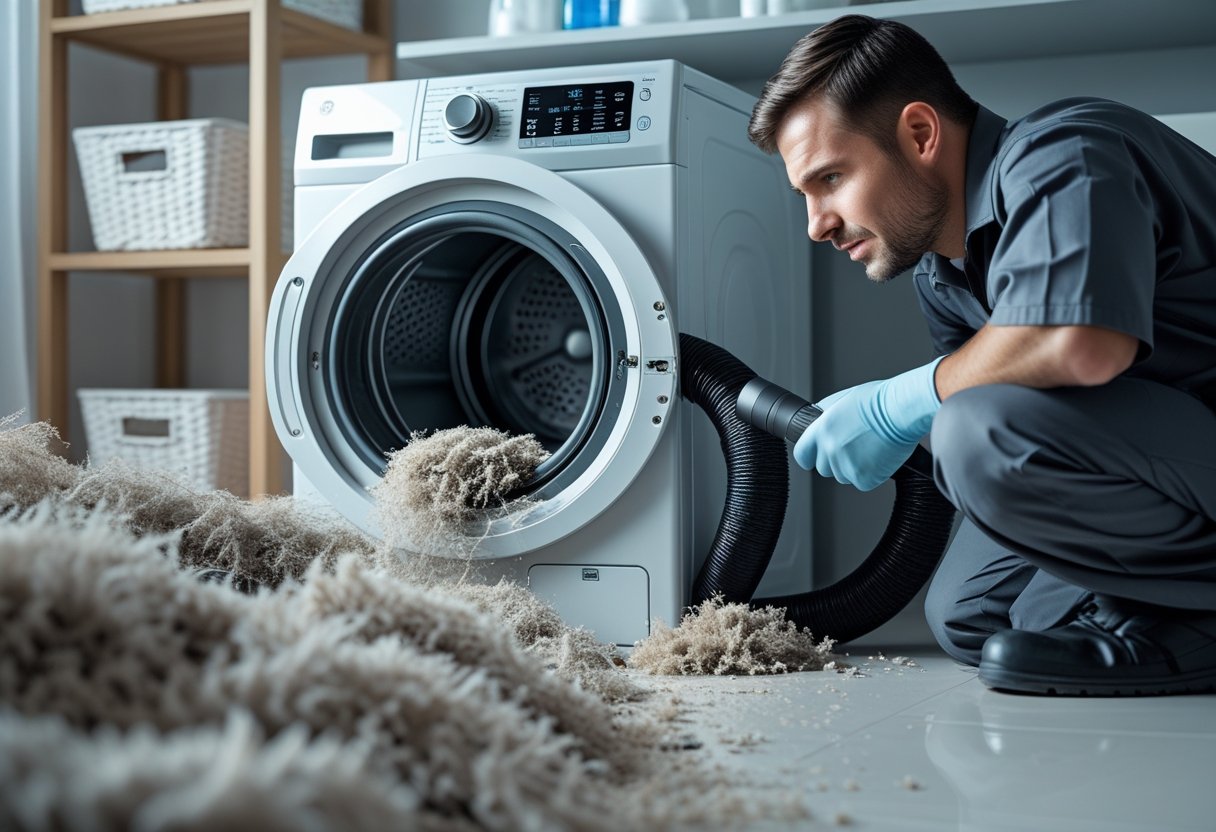
Clogged dryer vents make the appliance work harder, use more energy, and finish loads less efficiently. We notice higher energy bills and lower performance when airflow decreases and the machine can’t release heat properly.
Longer Drying Times and Energy Wastage
When lint builds up inside the vent, air can’t move freely. The trapped heat slows moisture removal from clothes. As a result, drying times increase even when we load the same amount of laundry.
Each extra cycle uses more electricity or gas, depending on the model. A typical dryer cycle may last 45 minutes, but a restricted vent can push that time to 70 minutes or more. Over time, this wastes both energy and money.
We can reduce wasted energy by scheduling regular dryer vent cleaning. Clean vents allow air and heat to flow smoothly, letting clothes dry in one full cycle. Fewer repeat loads extend the life of heating elements and motors.
| Issue | Result |
|---|---|
| Limited airflow | Longer drying cycles |
| Added moisture | Higher humidity inside dryer |
| Extra running time | Increased wear and energy use |
Rising Energy Consumption and Bills
Clogged vents force the dryer to draw more power than necessary. When the system runs longer or at higher heat settings, overall energy consumption rises. This directly impacts energy costs and causes higher energy bills each month.
If we compare a clean vent system to a blocked one, the difference can be up to 20-30% more energy usage. That increase adds up quickly, especially for homes that run multiple loads per week.
Dryer vent maintenance helps avoid those rising costs. Simple steps like checking the exterior vent flap and hiring dryer vent cleaning services once a year keep performance stable and costs lower.
Reduced Appliance Efficiency and Output
Restricted airflow reduces appliance efficiency because the dryer cannot maintain consistent temperatures. The drum may spin, but moisture stays longer in fabrics. This makes the machine less effective even though it seems to operate normally.
Low dryer efficiency also strains other parts of the system, such as sensors and belts. More frequent repairs or replacements may follow if the problem continues.
By keeping vents free from buildup, we restore full performance and maintain energy efficiency. The dryer then delivers better results with less energy and less wear on internal components.
Safety Hazards Related to Clogged Dryer Vents
Clogged dryer vents create serious safety issues that affect both our equipment and our homes. We face fire hazards, air quality concerns, and health risks when vents cannot release heat and gases efficiently.
Increased Risk of Dryer Fires
A clogged dryer vent often causes the dryer to overheat because trapped air cannot escape. The hot air increases the temperature inside the vent duct, which dries out and ignites lint. According to the National Fire Protection Association (NFPA), thousands of dryer fires occur each year because of lint buildup and poor vent maintenance.
Warning signs often include the dryer feeling hot to the touch, longer drying times, or a burning smell. These problems indicate that air is not flowing properly through the vent. When hot air and flammable lint mix in a confined space, it forms the conditions for a dryer vent fire.
We can lower the fire risk by cleaning the lint trap after each load and scheduling regular vent inspections. Using metal vent ducts instead of flexible plastic ones also helps reduce the chance of ignition by improving airflow and heat resistance.
Carbon Monoxide Poisoning and Air Quality Issues
Blocked dryer vents are especially dangerous for gas-powered dryers. When the exhaust path is blocked, carbon monoxide (CO) can leak back into the house instead of venting outdoors. CO is a colorless, odorless gas that can cause weakness, dizziness, or even poisoning in high amounts.
Poor venting also affects indoor air quality. The trapped heat and moisture create conditions that allow mold and mildew growth inside walls or around laundry areas. Over time, this can cause musty odors and damage to drywall or flooring.
To keep our air safe, we should install a carbon monoxide detector near the laundry room, check vent connections often, and clear obstructions caused by lint or debris. Ensuring air moves freely through the vent protects both our health and our home environment.
Fire Hazards and Lint Buildup
Lint is made up of small fabric fibers that easily catch fire. When we ignore cleaning routines, lint collects not just in the lint trap but also in the vent hose and around the dryer drum. Even a small spark from the heating element can ignite this buildup.
Below are common lint accumulation points that increase the chance of fire:
| Location | Problem Caused | Prevention Method |
|---|---|---|
| Lint screen | Reduces airflow | Clean after each load |
| Vent hose | Traps heat and lint | Vacuum every few months |
| Duct outlet | Blocks exhaust | Check for nests or debris |
Regular maintenance not only prevents fires but extends dryer life. By keeping vents clear, we maintain steady airflow, lower energy use, and greatly reduce the chances of a dryer vent fire.
Prevention and Maintenance for Extended Dryer Life
Keeping vents clean, using proper materials, and fixing problems early help us avoid costly dryer damage. Regular maintenance lowers fire risks, reduces energy use, and extends the life of the clothes dryer.
Importance of Regular Dryer Vent Cleaning
We should clean our dryer vent at least once a year to remove lint and debris. Lint build-up restricts airflow, forcing the dryer to work harder and wear out faster. A clean vent also allows for faster drying times and lower utility bills.
We start each load by cleaning the lint trap, but that alone is not enough. The vent duct behind the dryer collects lint that slips through the trap. When this material builds up, it traps moisture and heat. Using a long flexible brush or vacuum attachment helps clear the line.
Neglecting dryer vent cleaning can cause the unit to overheat and may even create a fire hazard. Scheduling regular air duct cleaning with a professional ensures both safety and better dryer performance. Keeping the vent clear is a simple step that makes a major difference in how long the appliance lasts.
Professional vs. DIY Dryer Vent Maintenance
When choosing between DIY and professional dryer vent cleaning services, we should consider the vent’s length, material, and layout. Short, straight vents are often easy to clean at home with proper tools. However, long vents with bends or ones that run through walls are harder to reach.
A professional service uses high-pressure air and specialized brushes to remove compacted lint and debris. They can also inspect for dryer vent repair needs, like leaks or damaged joints. Experts may check the airflow rate to ensure the system moves air efficiently.
DIY cleaning saves money when done correctly, but untrained cleaning may leave lint deep inside the duct. Professionals provide a more thorough job and can detect early structural problems before they become serious. Pairing both approaches; regular home care and annual professional service; offers the best results.
Choosing Proper Vent Materials and Installation
Selecting the right vent materials is vital for dryer efficiency and safety. We should use a rigid metal duct, not plastic or flexible foil hoses. Metal vents handle high heat better and resist crushing, which helps maintain proper airflow.
Poor installation, such as long or sharply bent paths, causes lint to settle and airflow to slow. When installing or replacing a vent, keeping runs as short and straight as possible improves performance. Sealing all joints securely with metal foil tape helps prevent leaks and gaps.
If the old vent duct shows rust, holes, or a loose fit, we should replace it immediately. Using quality materials and correct installation keeps the dryer operating longer and reduces repair needs.
Recognizing Early Warning Signs of Clogs
We can prevent costly damage by watching for early warning signs of lint build-up. Longer drying cycles, clothes that feel hotter than usual, or a musty smell after drying often indicate poor ventilation.
Another sign is the exterior vent flap not opening fully when the dryer runs. Warm air may back up into the laundry room, signaling a blockage. In some cases, the top of the dryer can become unusually hot to the touch.
To monitor performance, we can keep a simple checklist:
| Warning Sign | Possible Cause | Recommended Action |
|---|---|---|
| Longer drying time | Blocked or bent duct | Clean or inspect vent |
| Excess heat or moisture | Poor airflow | Check for lint build-up |
| Musty smell | Damp lint trapped inside vent | Schedule cleaning |
Acting quickly when we see these symptoms allows us to fix clogs early. Doing so maintains proper airflow, improves energy use, and helps the dryer last longer.